
At a glance
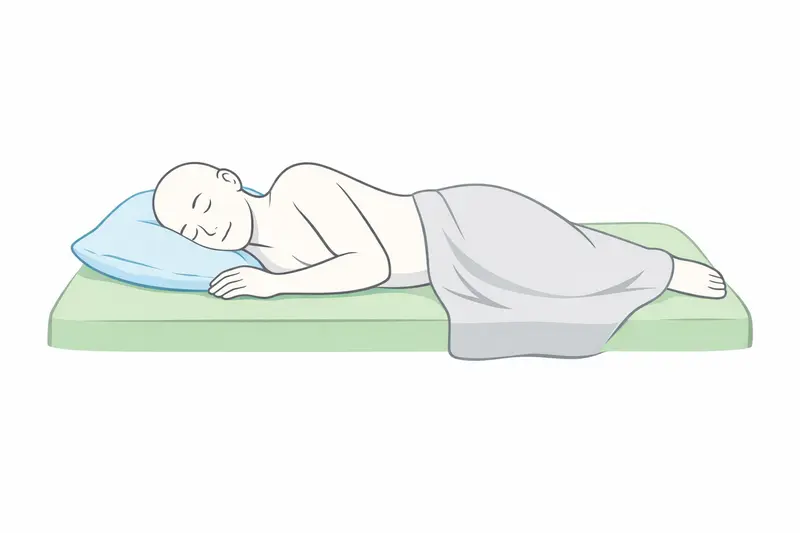
- In many cases, you can bring and use your own pillow during a sleep study.
- Using your usual pillow may help you feel more comfortable and sleep more naturally.
- The sleep center may have rules about pillow size, covers, or extra bedding, so ask before your appointment.
- If you use medical equipment at night, tell the clinic in advance.
Short answer
Yes, many sleep labs allow patients to use their own pillow during an overnight sleep study, and some encourage it because it can make it easier to sleep in an unfamiliar setting. However, each center has its own policies, and staff may need to confirm that your pillow will not interfere with sensors, wires, or other monitoring equipment. The best approach is to call ahead and ask which personal bedding items are allowed.
What to know
Why bringing your own pillow can help
A sleep study works best when your sleep is as close to normal as possible. Bringing your own pillow may help you relax, settle into your usual sleep position, and feel more comfortable in a different bed. This can be especially helpful if you usually sleep on your side, have neck discomfort, or rely on a particular pillow height or firmness.
What the sleep lab may allow
Most sleep centers allow a personal pillow, but policies vary. Some clinics may also let you bring your own blanket, while others prefer to provide bedding themselves. Staff generally want to avoid anything that could interfere with attaching or protecting the monitoring equipment. A standard bed pillow with a clean pillowcase is usually the simplest choice.
When your pillow might be a problem
A very large, firm, or unusually shaped pillow may make it harder to place sensors around your head, face, chest, or neck. It may also affect positioning if the team needs to monitor breathing, oxygen levels, or body movement. If you use CPAP at home, mention this before the study, since the setup may already involve additional equipment and tubing.
What to do before the appointment
- Call the sleep center a few days before your study.
- Ask whether you can bring your own pillow and if any restrictions apply.
- Bring a clean pillowcase and label your pillow if possible.
- Tell the staff about any nighttime equipment you use, such as CPAP.
- Follow the center’s other instructions about medicines, caffeine, hair products, and arrival time.
When to seek medical advice
- Contact the sleep clinic before your study if you need special positioning because of pain, recent surgery, breathing problems, or limited mobility.
- Ask for guidance urgently if you use oxygen, CPAP, BiPAP, or another medical device during sleep and are unsure what to bring.
- Seek prompt medical care if you have severe shortness of breath, chest pain, fainting, or new neurological symptoms rather than waiting for a scheduled sleep study.
Continue reading
If you want to know what the full overnight test involves, read our broader article on what to expect during a sleep study. You can also explore our Examinations and Treatments Explained for Patients hub for practical guidance on common tests and procedures.
Sources
MedlinePlus: Sleep Study | American Academy of Sleep Medicine: What to Expect in a Sleep Center | National Heart, Lung, and Blood Institute: Sleep Studies


