
At a glance
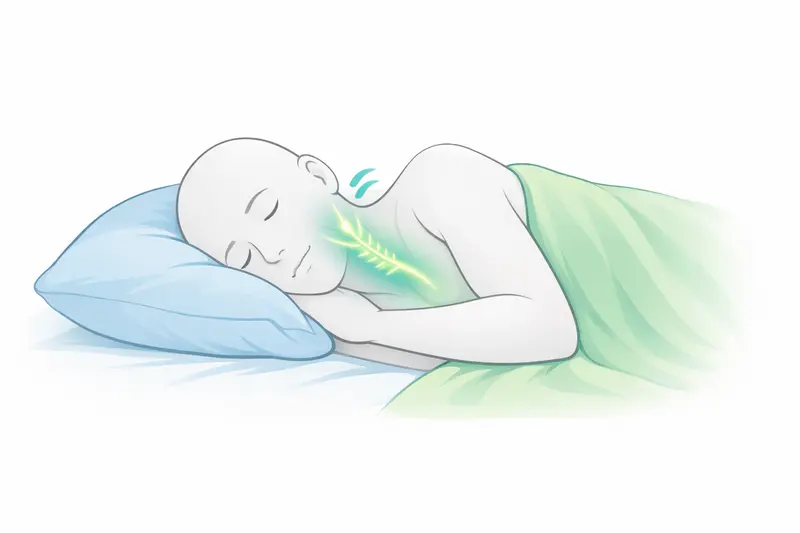
- A sleep study may be recommended because loud snoring can be a sign of obstructive sleep apnea, not just a nuisance.
- The test checks your breathing, oxygen levels, heart rate, and sleep patterns while you sleep.
- A sleep study helps your clinician decide whether treatment is needed and which option is most appropriate.
Short answer
You may need a sleep study for loud snoring because snoring can sometimes happen when the airway repeatedly narrows or closes during sleep. This may indicate obstructive sleep apnea, a condition that can lead to poor-quality sleep, daytime tiredness, headaches, and longer-term health risks if it goes undiagnosed. A sleep study provides objective information about what happens overnight, helping your clinician determine whether your snoring is harmless or part of a breathing problem that needs treatment.
What to know
Snoring alone does not show how serious the problem is
Some people snore without having a medical sleep disorder. But loud, frequent snoring, especially when accompanied by pauses in breathing, choking, gasping, or excessive daytime sleepiness, raises concern for sleep apnea. Because these events happen during sleep, you may not be aware of them, but a partner or family member often is.
What a sleep study is looking for
A sleep study looks for interruptions in your breathing during the night and shows how often they happen. It may monitor airflow through your nose and mouth, chest movement, blood oxygen levels, pulse, and sometimes brain activity and leg movements. This helps show whether your airway is partly blocked or fully blocked, and whether another sleep problem may also be contributing to your symptoms.
The results can change your treatment plan
If the study shows sleep apnea, the results help guide the next steps. Depending on the findings, your clinician may discuss options such as weight management, avoiding alcohol before bed, changes in sleep position, treatment for nasal blockage, an oral appliance, or CPAP therapy. If the study is normal, it can help avoid unnecessary treatment and shift attention to other possible causes of poor sleep or fatigue.
Sleep studies can often be done at home or in a sleep lab
Not everyone needs the same type of test. Some people can use a home sleep apnea test, while others need a full overnight study in a sleep center. A lab-based study may be preferred if your symptoms are complex, if you have certain heart or lung conditions, or if another sleep disorder is suspected.
When to seek medical advice
- Seek prompt medical advice if loud snoring happens with witnessed pauses in breathing, choking, or gasping during sleep.
- Arrange medical review if you have marked daytime sleepiness, trouble concentrating, morning headaches, or if you fall asleep while driving or working.
- Get checked if your snoring is new or worsening, especially if you also have high blood pressure, obesity, heart disease, or type 2 diabetes.
- Seek urgent care if you have severe shortness of breath, chest pain, fainting, or bluish lips or face.
Continue reading
For more detail, read our broader article on what happens during a sleep study and how to prepare. You can also explore our Examinations and Treatments Explained for Patients hub for clear guides to common tests and why doctors recommend them.
Sources
NHLBI: Sleep Studies | MedlinePlus: Sleep Apnea | NHS: Sleep Apnoea


