
At a glance
- Usually no—you are often asked to not eat for about 6 to 8 hours before a gallbladder ultrasound.
- Eating can cause the gallbladder to contract, making the scan harder to interpret.
- You may still be able to take some medicines with small sips of water, but follow your clinic’s exact instructions.
- If you are unsure, contact the imaging center before your appointment rather than guessing.
Short answer
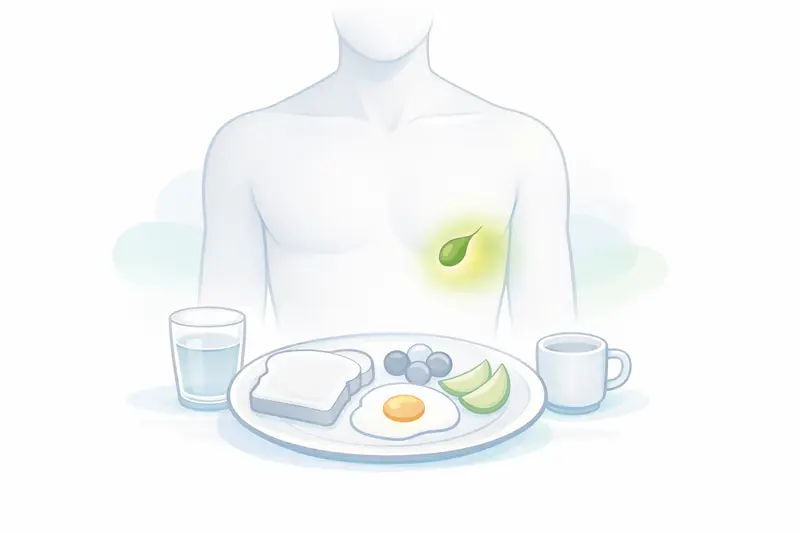
In most cases, you should not eat breakfast before a gallbladder ultrasound. The test is usually done after a period of fasting because food, especially fatty food, makes the gallbladder contract and release bile. When that happens, the ultrasound may not show the gallbladder clearly. Many centers ask you to avoid all food for 6 to 8 hours before the scan. Small sips of water may be allowed, but always follow the instructions from your doctor or imaging center.
What to know
Why fasting matters
The gallbladder stores bile. After you eat, your body signals it to contract. For an ultrasound, clinicians usually want the gallbladder to be full enough to assess its shape, wall, and any stones or sludge clearly. If you eat breakfast, the gallbladder may shrink, which can reduce the quality of the scan.
What counts as breakfast
Any food usually counts, including toast, porridge, cereal, eggs, fruit, yoghurt, milk tea, coffee with milk, or juice with pulp. A fatty breakfast, such as a fried breakfast, pastries, cheese, or sausage, is especially likely to stimulate the gallbladder. If you were told to fast, the safest approach is to avoid all of these.
Can you drink anything?
Many facilities allow small sips of plain water, especially for essential medicines. Some may ask you to avoid coffee, tea, milk, juice, chewing gum, and smoking because they can affect the digestive system and interfere with the scan. The exact rules vary by clinic, so your appointment instructions are the most important guide.
If you already ate
If you have already eaten breakfast, call the ultrasound department as soon as possible. In some cases, they may still see you, but the appointment often needs to be delayed or rescheduled to ensure an accurate result. It is better to check before traveling than to arrive and have the scan canceled.
When to seek medical advice
- Seek urgent medical help if you have severe or worsening pain in the upper right abdomen, especially with fever, vomiting, yellowing of the eyes or skin, dark urine, or pale stools.
- Contact your clinician promptly if you have repeated gallbladder-type pain after meals, cannot keep fluids down, or your symptoms are getting worse while waiting for the scan.
- If you have diabetes, are pregnant, or have been specifically told not to fast, ask for medical advice before changing your eating or medicines.
Continue reading
For more on preparing for imaging tests, read our broader article on ultrasound examinations and what they can show. You can also explore our Examinations and Treatments Explained for Patients hub for clear guides to common scans, procedures, and what to expect.
Sources
NHS: Ultrasound scan | RadiologyInfo: Abdominal Ultrasound | Johns Hopkins Medicine: Ultrasound


