
At a glance
- Screening recommendations change with age because the risk of certain diseases rises or falls over time.
- As you get older, the balance between the benefits and harms of screening tests can change.
- Your screening schedule may also vary based on family history, past results, smoking, sex, and long-term health conditions.
Short answer
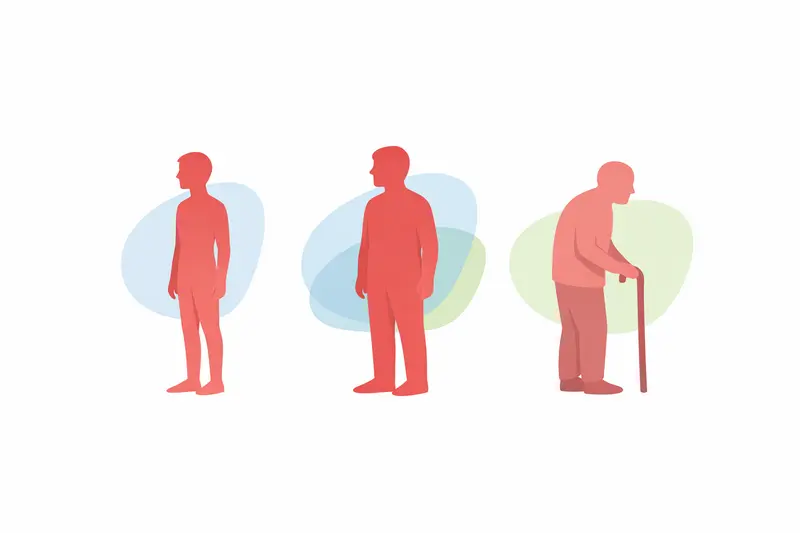
Screening recommendations change with age because age affects both your risk of developing disease and the likelihood that a screening test will help. Some tests are recommended from certain ages because that is when their benefit becomes clearer. Others may be done less often or stopped later in life if the risks, false positives, or follow-up procedures are more likely to outweigh the benefit. Your doctor may also tailor screening to your medical history, medications, family history, and overall health.
What to know
Age changes disease risk
Many conditions become more common with age, including bowel cancer, breast cancer, high blood pressure, and osteoporosis. That is why some screening tests are recommended only after a certain age. By contrast, some conditions are more relevant to screen for earlier in adulthood and may need less emphasis later on.
Screening is about benefit versus harm
A screening test is worthwhile only if it is more likely to help than to cause harm. As you age, doctors consider whether a test could lead to unnecessary anxiety, extra scans, biopsies, or procedures. They also consider whether detecting a condition early is likely to make a meaningful difference to your health or quality of life.
Your health history matters too
Age is only one part of the decision. Screening may start earlier, be done more often, or continue for longer if you have a strong family history, previous abnormal screening results, obesity, diabetes, a smoking history, or other risk factors. For example, a person with a close relative who had bowel cancer may need a different screening plan from someone at average risk.
Recommendations can change over time
Guidelines are updated when new research shows that a test works better than expected, works less well than expected, or should be offered to a different age group. So if your doctor gives different advice now than a few years ago, it may reflect better evidence rather than a problem. It is normal for screening advice to be reviewed regularly as you get older.
When to seek medical advice
- Book a review if you are unsure which screening tests apply to your age or sex.
- Ask sooner if you have a strong family history of cancer, heart disease, or osteoporosis.
- Do not wait for routine screening if you have symptoms such as unexplained bleeding, a new breast lump, a persistent change in bowel habits, unexplained weight loss, chest pain, or shortness of breath.
- Speak to a clinician promptly if you have had an abnormal screening result and do not understand the next step.
Continue reading
For more detail, read our broader article on health screenings by age over time, including their benefits, limits, and false positives. You can also explore our main Examinations and Treatments Explained for Patients page for an overview of common tests and when they are used.
Sources
CDC: Screening Tests and Preventive Care | U.S. Preventive Services Task Force | NHS: Screening


