
At a glance
- Blood pressure is checked routinely because high blood pressure often causes no symptoms.
- A quick reading can help identify early signs of risk to the heart, brain, or kidneys.
- One high reading does not always mean you have high blood pressure, but it may need to be repeated.
- Routine checks also help track changes over time and show whether treatment is working.
Short answer
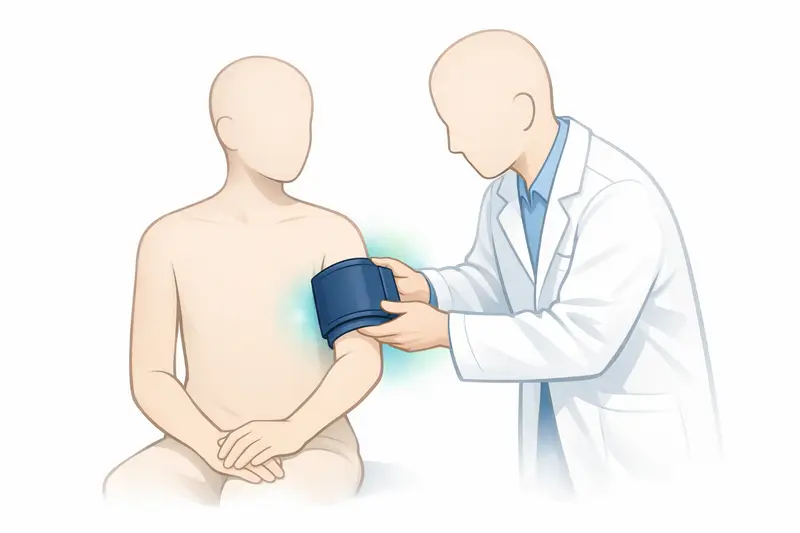
Blood pressure is checked at routine health visits because it is a simple way to screen for a common condition that can quietly damage the body over time. Many people with high blood pressure feel completely well, so regular checks help detect it early before it leads to complications such as heart disease, stroke, or kidney disease. Blood pressure readings also provide a baseline, show patterns over time, and help guide decisions about lifestyle changes, follow-up, or treatment when needed.
What to know
High blood pressure often causes no symptoms
Blood pressure can be too high even if you feel well. That is why it is often described as a “silent” problem. Routine checks are designed to detect raised blood pressure early, not only when you feel unwell.
It helps detect risk before complications happen
Persistently high blood pressure can damage blood vessels and organs over many years. A routine reading helps assess the risk of problems affecting the heart, brain, kidneys, and eyes. Detecting a change early gives you more opportunity to reduce risk through monitoring, lifestyle changes, or treatment if your clinician recommends it.
One reading is only part of the picture
Blood pressure naturally changes during the day and can rise with stress, pain, caffeine, exercise, smoking, or even anxiety about being in a clinic. Because of this, a single high reading does not usually confirm high blood pressure on its own. Your clinician may repeat the measurement during the same visit, ask you to return for another check, or suggest home or ambulatory blood pressure monitoring.
Routine checks are useful even if you already know your numbers
Even if your previous readings have been normal, routine checks can show whether anything has changed with age, weight, pregnancy, medications, or other health conditions. If you already have high blood pressure, regular measurement helps show whether your current management plan is keeping it within a safer range.
When to seek medical advice
- Seek urgent medical help if you have a very high blood pressure reading and symptoms such as chest pain, severe shortness of breath, weakness on one side, trouble speaking, confusion, fainting, or a sudden severe headache.
- Arrange a medical review if repeated readings are high, even if you feel well.
- Seek advice promptly if you are pregnant and have raised blood pressure, headache, swelling, vision changes, or upper abdominal pain.
- Ask for medical advice if your blood pressure seems much lower or higher than usual after starting or changing medication.
Continue reading
To learn more about what happens during a blood pressure test and how to prepare for an accurate reading, read the broader article on routine health checkups and what they include. You can also explore the main Examinations and Treatments Explained for Patients hub for clear explanations of common checks done at routine visits.
Sources
NHS: High blood pressure (hypertension) | CDC: About High Blood Pressure | American Heart Association: High Blood Pressure


