
At a glance
- If polyps are found during a colonoscopy, they can often be removed during the same procedure.
- Most polyps are not cancerous, but some can develop into cancer over time, which is why removal is important.
- The polyp is usually sent to a lab, and you may need a follow-up colonoscopy depending on the result.
Short answer
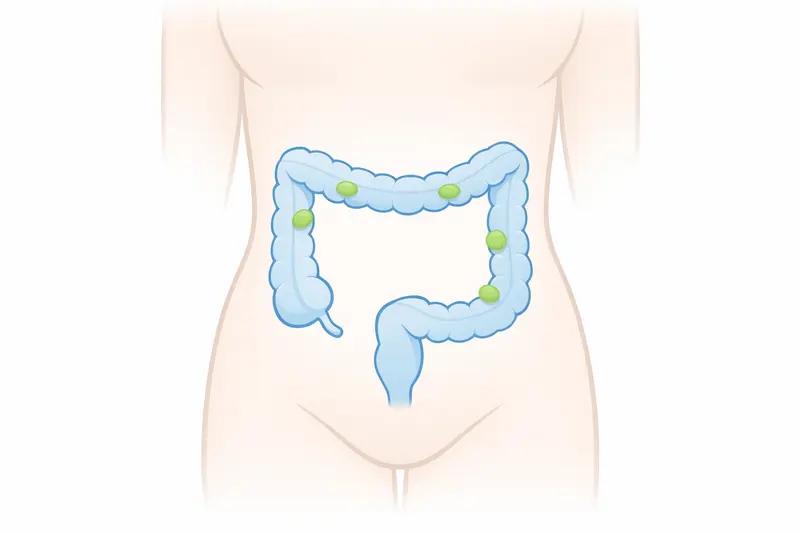
If polyps are found during your colonoscopy, the doctor will usually remove them at the same time if it is safe to do so. This is called a polypectomy. The tissue is usually sent to a lab to determine what type of polyp it is and whether it contains abnormal or cancerous cells. Finding a polyp does not mean you have cancer, but it may affect your follow-up plan depending on the number, size, and type of polyps found.
What to know
What a polyp is
A polyp is a growth on the lining of the colon or rectum. Some are harmless, while others can slowly change over many years and become cancerous. A colonoscopy can help by finding polyps early and often removing them before they cause problems.
What usually happens during the procedure
If the polyp is small, it may be removed using special tools passed through the colonoscope. Larger polyps can often also be removed during colonoscopy, sometimes in pieces. If a polyp is very large, difficult to reach, or appears more complex, the doctor may decide not to remove it right away and may instead arrange another procedure or refer you to a specialist.
Will you feel it?
Most people do not feel the polyp removal itself because the inside of the colon does not sense cutting in the same way the skin does, and sedation is commonly used. Afterward, you may have mild bloating, cramping, or gas for a short time. Your care team will tell you when you can eat, drink, and return to your usual activities.
What the results mean afterward
The lab result is the key next step. It can show whether the polyp was non-cancerous, precancerous, or contained cancer cells. Your doctor will use this result, along with the number and size of any polyps found, to decide when you should have your next colonoscopy. Some people need routine follow-up after several years, while others need earlier repeat testing.
When to seek medical advice
- Seek urgent medical advice if you have heavy bleeding from the rectum, pass large blood clots, or feel faint.
- Get medical help quickly if you have severe or worsening abdominal pain, a hard swollen abdomen, fever, or repeated vomiting.
- Contact your care team if you have ongoing bleeding, dizziness, black stools, or pain that is not improving after the procedure.
Continue reading
If you want to know what happens before, during, and after the test, read our broader article on what to expect from a colonoscopy. You can also explore our main Examinations and Treatments Explained for Patients page for clear answers about common procedures and results.
Sources
NHS: Colonoscopy | National Cancer Institute: Colorectal Cancer Screening | CDC: Colorectal Cancer Screening


