
Vitamin D plays a vital role in our health, yet many people are unaware of how common deficiency can be. Unlike most vitamins, vitamin D acts more like a hormone in the body, influencing a wide range of processes from bone strength to immune function. Understanding the signs of deficiency, the reasons it happens, and the ways to maintain healthy levels through diet and lifestyle can make a real difference in long-term wellbeing.
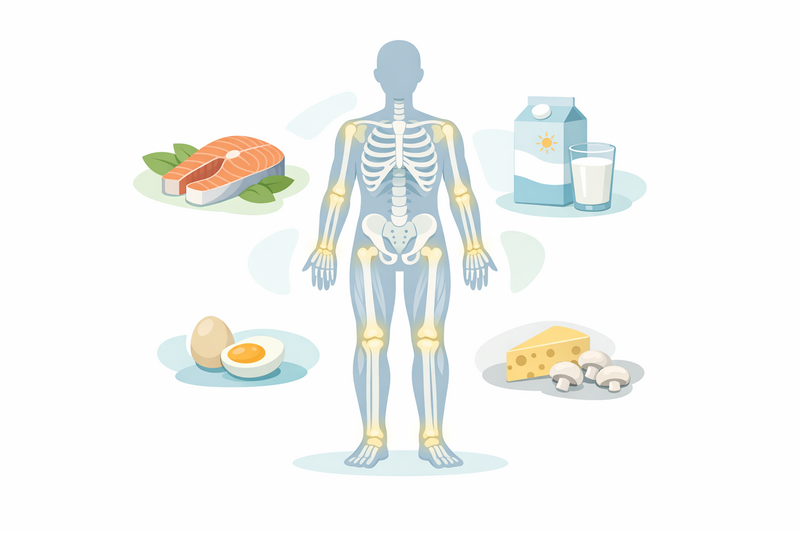
This article will explore why vitamin D is so important, how to recognise when you might be deficient, and the best sources of this essential nutrient from both food and sunlight. We’ll also discuss when supplements may be appropriate and who should consider speaking to a healthcare professional about their vitamin D status.
Why vitamin D is important
Vitamin D is sometimes called the “sunshine vitamin” because our bodies can produce it when our skin is exposed to sunlight. Its most well-known function is to help regulate the amount of calcium and phosphate in the body, which are crucial for keeping bones, teeth, and muscles healthy. But vitamin D’s benefits go far beyond bone health.
- Bone health: Without enough vitamin D, bones can become thin, brittle, or misshapen. In children, severe deficiency can lead to rickets, while in adults it can cause osteomalacia or contribute to osteoporosis.
- Immune function: Vitamin D supports the immune system, helping the body fight off infections and inflammation.
- Muscle function: Adequate vitamin D levels help muscles work efficiently, reducing the risk of falls, especially in older adults.
- Mood and mental health: Some studies suggest a possible link between low vitamin D levels and mood disorders, including depression, though more research is ongoing.
Because vitamin D is involved in so many body systems, maintaining the right level is important for overall health at every age.
Symptoms of vitamin D deficiency
Vitamin D deficiency can be difficult to spot because symptoms may develop gradually and can be subtle. Many people do not experience obvious signs until the deficiency is more advanced. However, some symptoms are more commonly associated with low vitamin D levels:
- Frequent infections or slow recovery from illness
- Bone pain or lower back pain
- Muscle weakness or aches
- Fatigue and tiredness
- Depressed mood or feelings of low energy
- Impaired wound healing
- Hair loss (in severe cases)
In children, deficiency may present as delayed growth, bone deformities, or dental problems. Adults may notice an increased risk of fractures, particularly in the elderly. Because these symptoms can also be linked to other health conditions, it is important to consult a healthcare professional for proper evaluation and testing if you have concerns.
Risk factors for deficiency
Vitamin D deficiency is surprisingly common, especially in certain groups. Several factors can increase your risk:
- Limited sun exposure: People who spend most of their time indoors, use strong sun protection, or cover most of their skin for cultural or religious reasons may not get enough sunlight for their bodies to make vitamin D.
- Geographical location: Living at higher latitudes (further from the equator) means less UVB sunlight, especially in autumn and winter months.
- Age: Older adults produce less vitamin D in their skin and may spend less time outdoors.
- Darker skin: People with more melanin in their skin require longer sun exposure to produce the same amount of vitamin D as those with lighter skin.
- Obesity: Vitamin D is stored in fat tissue, which can make it less available for use in the body.
- Certain medical conditions: Digestive disorders (such as coeliac disease, Crohn’s disease, or cystic fibrosis) can affect absorption of vitamin D from food.
- Dietary restrictions: People who avoid animal products or have limited diets may not get enough vitamin D from food alone.
Recognising these risk factors can help you take proactive steps to maintain optimal vitamin D levels.
Foods rich in vitamin D
While sunlight is the main source of vitamin D for most people, there are also dietary sources that can help maintain healthy levels, especially when sun exposure is limited. However, very few foods naturally contain significant amounts of vitamin D. Here are some of the best options:
- Oily fish: Salmon, mackerel, sardines, and trout are among the richest natural sources.
- Cod liver oil: A traditional supplement that is very high in vitamin D, but also contains vitamin A, so should be taken with care.
- Egg yolks: Eggs from hens that have been fed vitamin D-enriched feed contain higher amounts.
- Liver: Some animal livers, such as beef liver, provide vitamin D, but are not usually eaten in large amounts.
- Fortified foods: Many European countries fortify foods such as breakfast cereals, plant-based milks (like soya, oat, or almond), margarine, and sometimes cow’s milk with vitamin D.
For those following a vegetarian or vegan diet, fortified foods are often the main dietary source of vitamin D. Reading food labels can help identify products with added vitamin D.
Sun exposure and vitamin D production
The human body is uniquely equipped to produce vitamin D when skin is exposed to sunlight, specifically ultraviolet B (UVB) rays. However, several factors influence how much vitamin D you can make from the sun:
- Time of year: In many parts of Europe, the sun is not strong enough for vitamin D synthesis from October to March.
- Time of day: UVB rays are strongest between 10:00 and 15:00, but prolonged sun exposure should be balanced with skin cancer risk.
- Skin type: People with darker skin need more sun exposure to produce the same amount of vitamin D as those with lighter skin.
- Age: Older adults produce less vitamin D from the same amount of sunlight as younger people.
- Use of sunscreen and clothing: While important for reducing skin cancer risk, sunscreen and clothing block UVB rays and therefore vitamin D production.
Short periods of sun exposure to bare arms and legs, a few times per week during the spring and summer, may be enough for many people. However, because of the risk of skin damage, it is important not to burn and to use sun protection as needed. For those unable to get regular sun exposure, dietary sources and supplements may be necessary.
When supplements may be needed
In some cases, it can be difficult to maintain adequate vitamin D levels through sunlight and diet alone. Health authorities in many European countries recommend supplements for specific groups, especially during the winter months. You may need a vitamin D supplement if you:
- Are housebound or live in a care home
- Cover your skin for cultural or religious reasons
- Have little or no sun exposure for long periods
- Have darker skin
- Are pregnant or breastfeeding (consult your doctor for advice)
- Are a child under 5 years old (many countries provide free vitamin D drops for young children)
- Have a medical condition affecting absorption of nutrients
If you think you might be at risk, talk to your doctor or pharmacist about whether you should take a supplement and what dose is right for you. Vitamin D supplements are available in different forms and dosages, so professional guidance can help ensure safety and effectiveness.
It is important not to exceed recommended doses, as too much vitamin D can cause harm, including high calcium levels and potential kidney problems. Blood tests may be recommended to assess your vitamin D status if deficiency is suspected or if you have specific health concerns.
If you are interested in learning how other essential nutrients affect your wellbeing, you may want to explore the benefits of magnesium for your body by reading our detailed guide on why magnesium matters for your health.
In summary: Vitamin D is essential for bone, muscle, and immune health. While sunlight is the main source for most people, food and supplements can play an important role, especially for those at higher risk of deficiency. If you are concerned about your vitamin D levels or belong to a risk group, seek advice from a healthcare professional to ensure you are getting the right amount for your needs.


