
Adopting a plant-based diet is becoming increasingly popular across Europe and beyond, as more people seek ways to improve their health, support the environment, or align their food choices with personal values. But what exactly does “plant-based” mean, and how can you ensure that this style of eating provides all the nutrients your body needs? In this article, we’ll explore the essentials of a plant-based diet, its health benefits, potential nutritional risks, and practical advice for anyone considering this approach to nutrition.
What a plant-based diet means
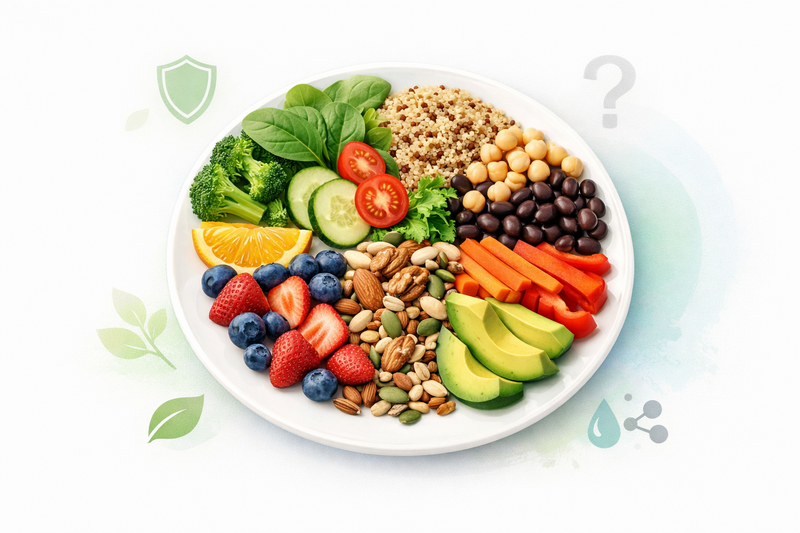
The term “plant-based diet” generally refers to a way of eating that focuses on foods primarily derived from plants. This includes not only fruits and vegetables but also nuts, seeds, oils, whole grains, legumes, and beans. Importantly, a plant-based diet does not necessarily mean a diet free from all animal products; rather, it emphasizes plant foods and may include varying amounts of animal-derived foods, depending on individual preference.
- Vegetarian diets exclude meat and fish but may include dairy and eggs.
- Vegan diets exclude all animal products, including dairy, eggs, and honey.
- Flexitarian diets are largely plant-based but occasionally include small amounts of meat, fish, or dairy.
Regardless of the specific type, the central idea is to make plant foods the main part of your meals. This approach is linked with a variety of health and environmental benefits, but it’s important to understand how to do it well.
Potential health benefits of plant-based eating
Many studies suggest that well-planned plant-based diets can offer a range of health advantages. Here are some of the most commonly reported benefits:
- Heart health: Plant-based diets are typically lower in saturated fat and higher in fiber, which may help lower cholesterol levels and reduce the risk of heart disease.
- Weight management: People who eat mostly plant foods often have lower body weight and a reduced risk of obesity. This may be due to the high fiber content, which can promote fullness and reduce overall calorie intake.
- Lower risk of type 2 diabetes: Diets rich in whole plant foods have been linked to improved blood sugar control and a lower risk of developing type 2 diabetes.
- Digestive health: The fiber found in fruits, vegetables, whole grains, and legumes supports a healthy gut and regular bowel movements.
- Reduced risk of certain cancers: Some research suggests that diets high in plant foods may reduce the risk of cancers, particularly those of the digestive system.
It’s important to note that these benefits are most pronounced when the diet consists of a wide variety of whole, minimally processed plant foods. Relying heavily on processed plant-based products, such as sweets or fried snacks, may not provide the same advantages.
Nutrients that may require attention
While plant-based diets can be highly nutritious, there are certain nutrients that may require more careful planning to avoid deficiencies. These include:
- Vitamin B12: This vitamin is naturally found only in animal products. People following vegan or strict vegetarian diets should consider taking a supplement or eating B12-fortified foods, such as plant milks or breakfast cereals.
- Iron: Plant-based sources of iron (non-heme iron) are less easily absorbed by the body than iron from meat. Eating foods rich in vitamin C (like peppers or citrus fruits) alongside iron-rich foods (such as lentils or spinach) can help improve absorption.
- Calcium: Those who avoid dairy should seek out alternative sources, such as fortified plant milks, tofu, almonds, and leafy green vegetables.
- Omega-3 fatty acids: These essential fats, often associated with oily fish, can also be found in flaxseeds, chia seeds, walnuts, and algae-based supplements.
- Vitamin D: Especially in northern climates, vitamin D can be a challenge for everyone, regardless of diet. Fortified foods or supplements may be recommended, particularly during the winter months.
- Zinc and iodine: These minerals are available in plant foods but may require extra attention, especially for those excluding dairy and fish. Whole grains, beans, nuts, and iodized salt can help meet requirements.
If you are considering a significant dietary change, it can be helpful to speak with a healthcare professional or dietitian. They can help identify any potential gaps and suggest suitable strategies or supplements, if needed.
Protein sources in plant-based diets
One of the most common concerns about plant-based eating is protein intake. Fortunately, with thoughtful planning, it is entirely possible to meet your protein needs from plant foods alone.
Good sources of plant-based protein include:
- Beans and lentils
- Chickpeas
- Tofu, tempeh, and other soy products
- Quinoa and whole grains
- Nuts and seeds
- Peas and certain vegetables (such as broccoli and spinach)
Unlike many animal proteins, some plant proteins are “incomplete,” meaning they do not contain all the essential amino acids the body needs. However, by eating a variety of plant foods throughout the day, most people can easily meet their amino acid requirements. For example, pairing rice with beans or hummus with wholegrain bread helps ensure a balanced intake.
It’s worth noting that those with higher protein needs, such as athletes, older adults, or pregnant women, may need to pay extra attention to their intake and consider discussing their diet with a nutrition specialist.
Who should consider this diet
A plant-based diet can be suitable for people of all ages and stages of life, including children, adults, and older people, as well as during pregnancy and breastfeeding—provided it is well-planned. Some groups who may particularly benefit include:
- People seeking to reduce their risk of chronic diseases, such as heart disease, diabetes, and certain cancers
- Those aiming for sustainable weight management
- Individuals interested in reducing their environmental impact
- People with certain food intolerances or allergies (e.g., lactose intolerance)
However, there are some situations where extra care is needed. Children, pregnant or breastfeeding women, and people with specific health conditions should work with a healthcare professional to ensure their diet is meeting all nutritional needs. People with a history of eating disorders should also seek professional guidance before making major dietary changes.
Tips for balanced plant-based nutrition
Transitioning to a plant-based diet can be both rewarding and enjoyable. Here are some practical tips to help you get started and maintain a balanced, varied, and nutritious plant-based lifestyle:
- Plan your meals: Aim to include a variety of foods from all plant groups (fruits, vegetables, whole grains, legumes, nuts, and seeds) to cover your nutritional bases.
- Don’t forget about protein: Include a protein-rich food at every meal, such as beans, lentils, or tofu.
- Watch out for processed foods: While vegan or vegetarian processed foods can be convenient, they may be high in salt, sugar, or unhealthy fats. Focus on whole, minimally processed options where possible.
- Consider fortified foods and supplements: Depending on your dietary choices, you may need to include fortified foods or supplements for nutrients like vitamin B12, vitamin D, or omega-3 fatty acids.
- Stay informed: Read food labels and be aware of key nutrients, especially if you are excluding several food groups.
- Seek professional advice: If you have specific health concerns or dietary needs, a registered dietitian or nutritionist can help you plan a balanced diet.
Remember, there is no single “right” way to eat plant-based. Some people may choose to go fully vegan, while others may include small amounts of animal foods. The most important thing is to find an approach that works for you, supports your health, and fits your lifestyle.
To further support your journey towards healthier eating habits, you may find it helpful to read this simple guide to what constitutes a balanced diet in Europe: key principles of balanced nutrition explained in everyday terms.
In summary, a plant-based diet can be a nutritious and health-promoting way to eat, provided it is well planned. Paying attention to potential nutrient gaps, including a variety of whole plant foods, and seeking guidance when needed can help ensure you reap the many benefits this eating pattern has to offer.


