
Salt is a common part of our diets, often adding flavour to our meals and found in many of our favourite foods. However, for some people, consuming too much salt can have negative effects on health, especially when it comes to heart health. This is why doctors sometimes recommend a low-salt, or low-sodium, diet. Understanding what a low-salt diet involves and why it is important can help you make informed choices about your eating habits and improve your overall wellbeing.
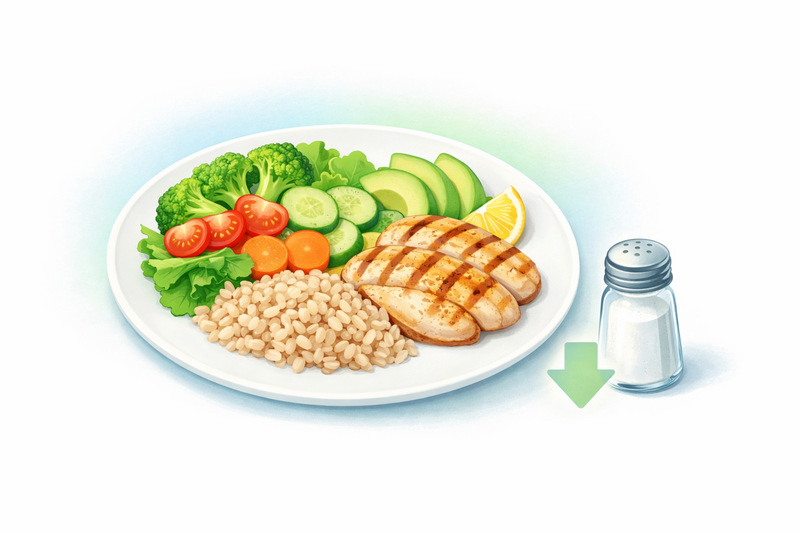
This article will explain what a low-salt diet means, who might benefit from reducing sodium, the health benefits of cutting back, which foods to watch out for, and practical tips for lowering your salt intake.
What a low-salt diet involves
A low-salt diet means eating foods that contain less sodium, which is the main component of salt. Sodium is a mineral found naturally in some foods, but it is also added to many processed foods to improve taste, preserve freshness, or enhance texture. While our bodies need a small amount of sodium to function properly, most people consume much more than they need.
Doctors may recommend a low-salt diet for individuals who need to control their blood pressure or manage certain health conditions. Generally, a low-salt diet involves:
- Limiting daily sodium intake, often to less than 2,300 milligrams per day (about one teaspoon of salt), and sometimes even less for specific medical conditions
- Choosing fresh, unprocessed foods whenever possible
- Reading nutrition labels to check sodium content
- Avoiding adding extra salt during cooking or at the table
It is important to note that “salt” and “sodium” are not exactly the same, but they are closely related. Table salt is made up of about 40% sodium and 60% chloride. When you see recommendations for sodium intake, they refer specifically to the sodium part of salt.
Conditions requiring sodium reduction
Reducing sodium intake is particularly important for people with certain health conditions. Doctors may recommend a low-salt diet if you have:
- High blood pressure (hypertension): Excess sodium can cause your body to retain water, which raises blood pressure and increases the workload on your heart.
- Heart failure: Limiting sodium helps prevent fluid build-up, making it easier for the heart to pump.
- Chronic kidney disease: Diseased kidneys may struggle to remove excess sodium, leading to fluid overload and complications.
- Liver disease (such as cirrhosis): Sodium reduction helps prevent fluid retention and swelling (edema).
- Other conditions: Some people with osteoporosis, Meniere’s disease, or people at risk for stroke may also be advised to limit salt intake.
Even for people without these conditions, reducing sodium can help prevent future health problems. If your doctor has advised you to reduce your salt intake, it is important to follow their recommendations and ask questions if you are unsure what to eat.
Health benefits of reducing salt
Lowering your salt intake offers several potential health benefits, especially for your heart and circulatory system. Some of the main advantages include:
- Lower blood pressure: Reducing sodium can help decrease high blood pressure, which is a major risk factor for heart attacks and strokes.
- Reduced risk of heart disease: A low-salt diet can help prevent the development of heart disease by easing the strain on your heart and blood vessels.
- Less fluid retention: High sodium intake can cause your body to hold onto excess fluid, leading to swelling in the legs, ankles, or hands. Reducing salt may help prevent this.
- Kidney protection: Lower sodium intake can lessen the burden on your kidneys, which filter excess sodium from your blood.
- Decreased risk of stroke: High blood pressure caused by too much salt is a leading cause of strokes. Managing sodium intake helps lower this risk.
Small changes in your diet, such as using less salt in cooking and choosing lower-sodium products, can add up to significant health improvements over time.
Foods high in sodium to limit
Many foods contain hidden sources of sodium, especially processed and packaged items. If you are trying to reduce your salt intake, it is important to be aware of these foods and choose alternatives when possible. Foods that are often high in sodium include:
- Processed meats: Bacon, ham, sausages, salami, and deli meats
- Canned soups and broths: These often contain added salt for flavour and preservation
- Ready meals and convenience foods: Frozen pizzas, instant noodles, and packaged snacks
- Cheese and salty spreads: Some cheeses, processed cheese slices, and spreads like yeast extract
- Salty snacks: Crisps, salted nuts, pretzels, and savoury biscuits
- Breads and bakery products: Many types of bread, rolls, and pastries contain added salt
- Condiments and sauces: Soy sauce, ketchup, salad dressings, and pickles
It is also important to check nutrition labels for sodium content, as even foods that do not taste salty can be high in sodium. Look out for ingredients like sodium bicarbonate, monosodium glutamate (MSG), and sodium nitrate, which contribute to the overall sodium content.
Tips for cooking with less salt
Adopting a low-salt diet does not mean your meals have to be bland or boring. There are many ways to add flavour to your food while keeping sodium levels in check. Here are some practical tips:
- Use herbs and spices: Fresh or dried herbs, garlic, ginger, pepper, lemon juice, and spices like cumin or paprika can add depth and aroma to dishes.
- Experiment with vinegars and citrus: A splash of vinegar or lemon juice can brighten the flavour of many recipes without adding salt.
- Choose fresh ingredients: Whenever possible, cook with fresh vegetables, lean meats, and whole grains instead of processed foods.
- Prepare your own sauces: Homemade tomato sauces, salad dressings, and dips allow you to control the amount of salt used.
- Rinse canned foods: If you use canned beans or vegetables, rinse them under running water to remove some of the excess sodium.
- Gradually reduce salt: If you are used to salty foods, try cutting back slowly. Your taste buds will adjust over time.
- Avoid adding salt at the table: Taste your food before reaching for the salt shaker.
Trying new recipes and being creative in the kitchen can make the transition to a low-salt diet easier and more enjoyable.
Monitoring sodium intake
Being aware of how much sodium you eat each day is an important step towards better health. Here are some ways you can monitor and manage your sodium intake:
- Read food labels: Check the sodium content per serving on packaged foods. Aim for products labelled “low sodium” or “no added salt” when possible.
- Keep a food diary: Writing down what you eat can help you spot patterns and identify foods that are high in sodium.
- Use apps and online tools: Many nutrition apps can help you track your daily sodium intake.
- Ask for advice: If you are unsure how much sodium you should be eating, or how to read labels, consult a healthcare professional or a registered dietitian.
- Be mindful when eating out: Restaurant meals can be high in salt. Ask for sauces and dressings on the side, and request that your food be prepared without added salt when possible.
Monitoring your sodium intake can help you stay within recommended limits and support your overall health, especially if you have a condition that makes sodium reduction important.
If you are interested in a deeper look at the debate around salt and its role in health, you may find it helpful to read this detailed discussion about whether salt is a silent killer or a misunderstood mineral.
Remember, everyone’s sodium needs are different. If you have been told to follow a low-salt diet, work with your doctor or dietitian to create a plan that is right for you. With a few mindful changes, you can enjoy tasty meals while taking care of your heart and health.


