Iron is an important mineral that plays a central role in keeping our bodies healthy and energetic. Many people are aware that iron is linked to blood health, but its importance goes far beyond preventing tiredness. If you have been told you have low iron, or you are curious about how diet can support your iron levels, understanding which foods help restore iron and how your body absorbs this mineral is key. This article provides clear, practical advice for anyone wanting to improve their iron status through food choices and lifestyle habits.
Below, we explain why iron matters, signs you may not have enough, which foods are best, and smart ways to help your body absorb more iron from your meals. We also highlight when it is time to seek advice from a healthcare professional.
Why iron is essential for the body
Iron is a vital micronutrient that supports many bodily functions. Its most well-known job is to help make haemoglobin, the protein in red blood cells that carries oxygen around your body. Without enough iron, your organs and tissues do not get the oxygen they need to work properly.
Iron also helps with:
- Energy production – supporting your body’s ability to use food for fuel
- Brain health – aiding concentration, memory, and learning
- Immune function – helping your immune system fight off infections
- Cell growth and development – particularly important for children and pregnant women
Because iron is involved in so many essential functions, not getting enough can have wide-ranging effects on health and wellbeing.
Symptoms of iron deficiency
Iron deficiency is one of the most common nutritional shortfalls worldwide. It can develop slowly, so you might not notice symptoms at first. As levels drop further, you may begin to feel:
- Unusual tiredness or fatigue
- Paleness of the skin or inside the eyelids
- Shortness of breath, even with mild activity
- Headaches or dizziness
- Heart palpitations or feeling your heart race
- Cold hands and feet
- Brittle nails or hair loss
- Poor concentration or memory
In children, iron deficiency can affect growth, development, and learning. In women of reproductive age, iron needs are higher due to menstrual blood loss, making deficiency more likely. Pregnant women, vegetarians, people with digestive conditions, and those with heavy periods are also at increased risk.
If you suspect you may be low in iron, it is important to speak to your doctor before starting supplements, as too much iron can also be harmful.
Iron-rich foods to include in your diet
Diet is the main way most people get iron. There are two types:
- Haem iron – found in animal-based foods and more easily absorbed by the body
- Non-haem iron – found in plant-based foods and eggs; absorption is lower but still important, especially for vegetarians and vegans
Foods high in haem iron
- Red meat (beef, lamb, venison)
- Poultry (especially dark meat like turkey thigh or chicken leg)
- Organ meats (liver, kidney, heart)
- Fish and shellfish (sardines, tuna, salmon, mussels, oysters)
Foods high in non-haem iron
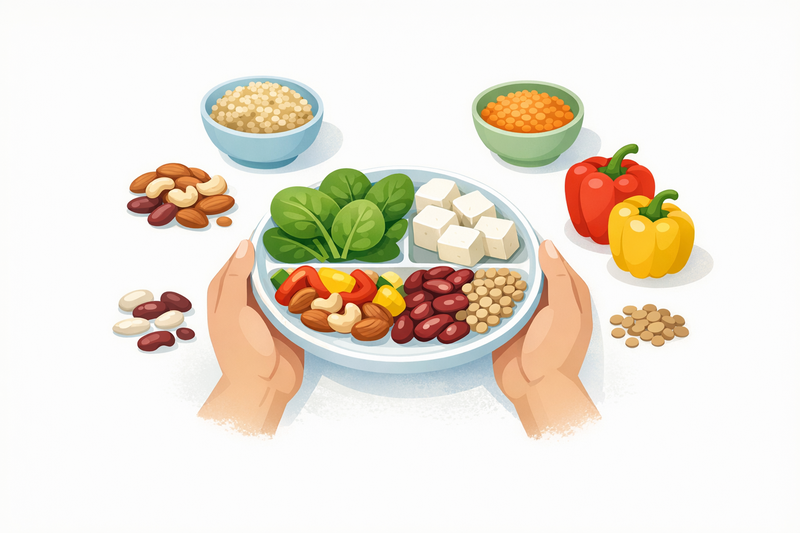
- Legumes (lentils, chickpeas, beans, peas)
- Tofu and tempeh
- Wholegrains (quinoa, brown rice, oatmeal)
- Fortified breakfast cereals and breads
- Nuts and seeds (pumpkin seeds, cashews, almonds)
- Dark green leafy vegetables (spinach, kale, swiss chard)
- Dried fruits (apricots, raisins, prunes)
Including a variety of these foods in your meals can help you maintain healthy iron levels, especially if you follow a vegetarian or mostly plant-based diet. For those who do eat animal products, even small amounts of meat or fish can boost total iron absorption from a meal.
Factors affecting iron absorption
Not all the iron you eat is absorbed. Several factors influence how much your body actually takes in:
- Type of iron: Haem iron from animal sources is absorbed more efficiently than non-haem iron from plants.
- Vitamin C: Eating foods rich in vitamin C (such as citrus fruits, peppers, berries, broccoli, or tomatoes) alongside iron-rich foods can help increase absorption, especially of non-haem iron.
- Other foods and drinks: Tea, coffee, calcium-rich foods (like milk or cheese), and some wholegrains contain compounds that can reduce iron absorption if consumed in large amounts with iron-rich meals.
- Phytates and polyphenols: Found in some plant foods, these can inhibit absorption, but soaking, sprouting, or fermenting grains and pulses can help reduce their impact.
- Body’s needs: When your iron stores are low, your body absorbs more; when stores are high, absorption decreases.
Making small changes in how you combine foods can make a real difference in how much iron your body receives from your diet.
Diet tips for improving iron intake
If you want to boost your iron levels naturally, consider these practical tips:
- Pair iron-rich foods with vitamin C sources at each meal (for example, beans with tomatoes, spinach with orange slices, or steak with roasted peppers).
- Try to avoid drinking tea or coffee with meals, as these can reduce iron absorption. Wait at least one hour after eating before enjoying these drinks.
- If you eat grains or pulses, soak or sprout them before cooking to make their iron more available.
- Include a small amount of animal protein if you are not vegetarian, as it can help you absorb more iron from plant foods in the same meal.
- Choose iron-fortified cereals or breads, especially if you follow a plant-based diet.
- Cook in a cast-iron pan – this can increase the iron content of some foods, especially acidic foods like tomato sauce.
- Space out calcium-rich foods (like dairy) from your main iron-rich meal, as calcium can compete with iron for absorption.
Remember, it can take several weeks for iron levels to improve through diet alone, and consistency is key. If you have been diagnosed with iron deficiency, follow your doctor’s advice regarding supplements and retesting.
When to consult a doctor
While food choices can have a big impact on iron levels, sometimes diet alone is not enough. You should speak with a healthcare professional if you:
- Experience persistent symptoms of iron deficiency, such as ongoing fatigue, weakness, or shortness of breath
- Have been diagnosed with low iron or anaemia in the past
- Have a medical condition that affects digestion or absorption (such as coeliac disease, inflammatory bowel disease, or after gastrointestinal surgery)
- Are pregnant, breastfeeding, or planning a pregnancy
- Follow a vegan or strict vegetarian diet and are concerned about your iron intake
- Have heavy menstrual periods
- Are considering iron supplements – as excessive iron can be harmful if not medically indicated
A doctor can arrange a blood test to check your iron status and recommend the best way to restore healthy levels, which may include dietary changes, supplements, or further investigations if an underlying cause is suspected.
In summary, maintaining healthy iron levels is possible for most people by paying attention to your diet and understanding how different foods and habits affect absorption. By including a variety of iron-rich foods and making a few simple changes, you can support your energy, wellbeing, and long-term health. If you have concerns about iron deficiency or your symptoms persist, do not hesitate to consult a healthcare professional for personalised advice.
Just as iron is vital for your wellbeing, other minerals such as magnesium also play a key role in overall health—discover more about the importance of magnesium and how it supports your body by visiting our article on why magnesium matters for your health.


