
Feeling tightness in your chest can be unsettling, especially when it happens without pain. Many people worry that any unusual sensation in the chest means something is wrong with their heart. However, chest tightness without pain is often caused by things other than heart problems. Understanding the possible causes, knowing the warning signs, and learning when to seek help can bring peace of mind and help you take sensible next steps.
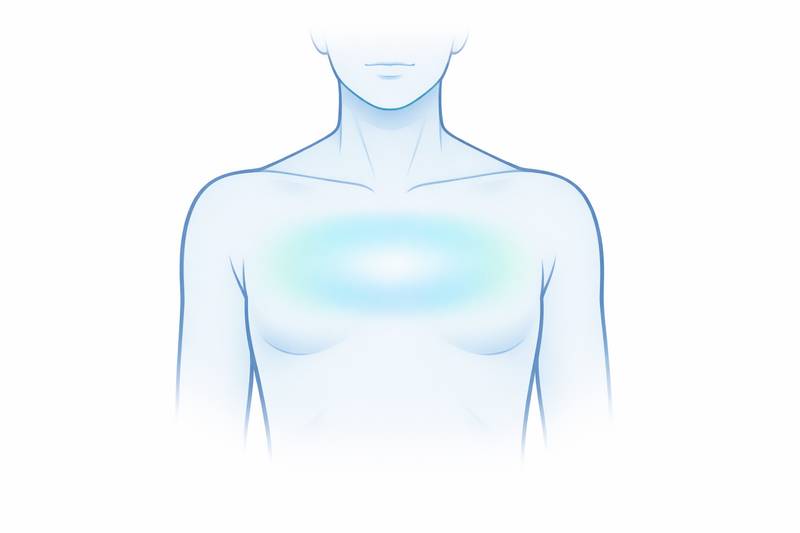
This article will guide you through the most common reasons for chest tightness, highlight which symptoms suggest a heart issue, and explain what doctors might do to investigate your symptoms. You’ll also find advice on when to seek urgent care and what information to track before your appointment.
Common non-cardiac causes of chest tightness
Chest tightness is a sensation that can be caused by many conditions, not just those related to the heart. Here are some of the most frequent non-cardiac causes:
- Anxiety and stress: Emotional stress and anxiety are common causes of chest tightness. You might feel a pressure, heaviness, or a “band-like” sensation across your chest, especially during or after stressful situations. This can also happen with panic attacks, which may include rapid breathing, sweating, or a racing heart.
- Muscle strain: The muscles and soft tissues of the chest wall can become strained from physical activity, heavy lifting, poor posture, or even repeated coughing. Muscle soreness or tension can easily lead to a feeling of tightness, especially when moving or taking deep breaths.
- Respiratory conditions: Asthma, bronchitis, or other lung issues may cause chest tightness. With asthma, the airways narrow, leading to a feeling of constriction, wheezing, or shortness of breath. Similarly, a lingering cough or mild infection can make your chest feel tight.
- Gastro-oesophageal reflux (acid reflux): Acid reflux can lead to a sensation of tightness or discomfort in the chest, sometimes described as heartburn. This usually gets worse after eating or when lying down.
- Other causes: Less commonly, allergies, dehydration, or even certain medications can cause a sensation of chest tightness.
It’s important to remember that while these causes are common and often not dangerous, any new, unexplained, or persistent chest symptoms should be discussed with a healthcare professional for proper assessment.
Warning signs of heart-related symptoms
While many causes of chest tightness are not related to the heart, some symptoms can indicate a more serious problem. Be aware of the following warning signs, which may mean the heart or another urgent medical issue is involved:
- Pain or pressure spreading: Chest discomfort that spreads to the arms, neck, jaw, back, or stomach.
- Shortness of breath: Difficulty breathing, especially when it comes on suddenly or is severe.
- Sudden dizziness or fainting: Feeling lightheaded, faint, or losing consciousness.
- Profuse sweating: Breaking out in a cold sweat without obvious cause.
- Nausea or vomiting: Especially when combined with other symptoms above.
- Irregular or very fast heartbeat: Palpitations or a rapid heartbeat, particularly if associated with weakness or chest discomfort.
- Symptoms at rest or with minimal activity: Chest tightness that occurs without exertion or wakes you from sleep.
Women, older adults, and people with diabetes may experience less typical symptoms of a heart problem, such as unusual fatigue, indigestion-like sensations, or mild discomfort. If you are ever in doubt, it is safer to seek medical attention promptly.
Which tests doctors may consider
If you visit your doctor with chest tightness, they will start with a detailed discussion about your symptoms, medical history, and risk factors. The next steps may include:
- Physical examination: The doctor will check your heart, lungs, and chest muscles for any signs of illness or injury.
- Electrocardiogram (ECG or EKG): This test records the electrical activity of your heart and can detect some types of heart problems.
- Blood tests: Certain blood markers can help rule out a heart attack or check for signs of infection or inflammation.
- Chest X-ray: An X-ray can help identify lung or chest wall problems.
- Exercise stress test: This test evaluates how your heart responds to physical activity and can help identify issues that only appear with exertion.
- Other investigations: Depending on your symptoms, your doctor might recommend further tests such as an echocardiogram (ultrasound of the heart), lung function tests, or a referral to a specialist.
The decision about which tests are needed depends on your age, personal risk factors, and the details of your symptoms. Not everyone with chest tightness will need extensive testing, especially if the likely cause is non-cardiac.
When to seek urgent care
Chest tightness can sometimes be a sign of a medical emergency, even if there is no pain. Seek urgent medical attention if you experience:
- Chest tightness that is severe, lasts more than a few minutes, or occurs at rest
- Any tightness combined with shortness of breath, fainting, severe dizziness, nausea, or sweating
- Chest discomfort that spreads to your arms, neck, jaw, or back
- Palpitations or irregular heartbeat with weakness or breathlessness
- Symptoms in someone with known heart disease, diabetes, or major risk factors
If you are unsure whether your symptoms are serious, it is always better to err on the side of caution. Call your country’s emergency services number (such as 112 or 999) rather than trying to drive yourself to the hospital.
What to track before an appointment
In many cases, chest tightness is not an emergency, but it’s still important to let your doctor assess the situation. Before your appointment, it can help to track certain details about your symptoms. This information will make it easier for your doctor to understand what is happening and decide on the next steps:
- Timing: When did you first notice the tightness? How long does each episode last?
- Triggers: Does anything seem to bring on the tightness (e.g., stress, exercise, eating, certain positions)?
- Associated symptoms: Are you experiencing other symptoms like shortness of breath, palpitations, cough, or heartburn?
- Frequency and pattern: How often does the tightness occur? Is it getting better, worse, or staying the same?
- Relieving factors: Does anything make the tightness better or worse (e.g., rest, changing position, taking deep breaths)?
- Medical history: Have you had similar symptoms before? Do you have any heart, lung, or digestive issues?
- Medications and lifestyle factors: List any medicines you take, recent changes, and any relevant lifestyle factors (such as recent illnesses, stressors, or physical activity).
Bringing these details to your appointment can help your doctor make a more accurate assessment and avoid unnecessary tests.
If you want to better understand whether your chest symptoms could be an emergency or might safely wait for a doctor’s assessment, you can read our detailed guide on when chest pain requires urgent action versus when it can wait.
In summary: Chest tightness without pain is often caused by anxiety, muscle strain, or other non-cardiac issues, but it’s always important to rule out heart problems, especially if you have risk factors or accompanying warning signs. If you are ever in doubt or your symptoms change, seek medical advice promptly. Keeping track of your symptoms and triggers will support your doctor in making the best decision for your health and peace of mind.


