
Key points
- Routine health checkups are tailored to age, risk factors, family history, and symptoms.
- Most checkups focus on history, examination, and a small number of appropriate tests.
- Common checks include blood pressure, weight, glucose, cholesterol, and preventive screening review.
- Normal results can be reassuring, but abnormal findings often need repeat testing or follow-up.
- Routine checkups do not replace prompt assessment of new or serious symptoms.
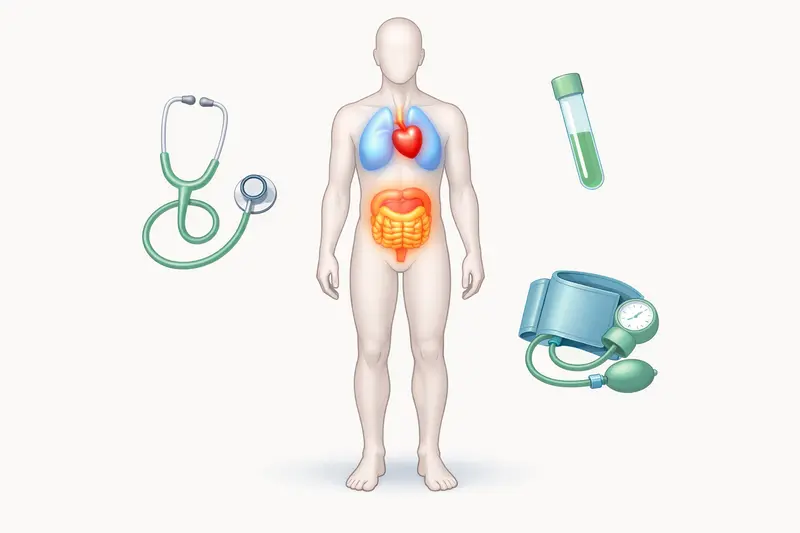
A routine health checkup is a planned medical review that looks for early signs of common health problems, checks general health measures, and updates preventive care. It does not usually involve an extensive set of tests for everyone. Instead, the doctor or nurse adapts the visit to age, sex, personal risk factors, family history, and any symptoms or ongoing conditions. For a comprehensive overview of how these visits fit into broader medical care, see Examinations and Treatments Explained for Patients.
For many people, the most useful part of an annual checkup is not a long list of tests, but a structured conversation, a physical examination, and a small number of appropriate measurements or blood tests. This article explains what may be included, when routine checkups are recommended, how to prepare, what the results can show, and where the limits of these visits lie.
What tests are included in a routine health checkup
What happens at a health checkup can vary between countries, healthcare systems, and individual practices. A routine checkup often begins with a medical history and basic measurements, followed by selected tests rather than a fixed panel for every patient.
Medical history and symptom review
A doctor may ask about current symptoms, past illnesses, operations, medicines, allergies, vaccinations, smoking, alcohol use, sleep, exercise, and diet. Family history is also important, especially for conditions such as high blood pressure, type 2 diabetes, heart disease, colorectal cancer, or breast cancer.
This part matters because many decisions about testing depend on risk. For example, someone with a strong family history of diabetes or early heart disease may need closer monitoring than someone without these factors.
Basic measurements and examination
- Blood pressure
- Weight and height, often used to calculate body mass index
- Pulse rate, and sometimes heart rhythm assessment
- Waist circumference in some settings
- General physical examination, which may include the heart, lungs, abdomen, skin, and thyroid depending on the situation
These checks can help identify silent problems such as hypertension, obesity-related risk, an irregular heartbeat, or signs that merit further assessment.
Common laboratory tests
An annual checkup test list often includes only a few blood or urine tests, and not everyone needs all of them. Common examples include:
- Blood glucose or HbA1c to look for diabetes or prediabetes
- Lipid profile, including cholesterol and triglycerides, to estimate cardiovascular risk
- Complete blood count if anaemia, infection, or another blood-related issue is suspected
- Kidney function tests such as creatinine in people with hypertension, diabetes, or medicines that affect the kidneys
- Liver tests in selected cases, for example with obesity, heavy alcohol intake, or certain medicines
- Urine dipstick or urinalysis in some situations, such as suspected urinary problems, diabetes monitoring, or kidney concerns
Thyroid tests, vitamin levels, inflammatory markers, or tumour markers are not usually routine for everyone. They are more often used when symptoms, examination findings, or medical history suggest a specific reason.
Screening and preventive checks
A routine health checkup may also include or prompt screening that follows age- and risk-based recommendations:
- Cervical screening
- Breast cancer screening, often mammography in the appropriate age group
- Colorectal cancer screening, for example stool tests or colonoscopy depending on national programmes
- Vaccination review, including influenza or other indicated vaccines
- Assessment of cardiovascular risk
- Bone health assessment in people at risk of osteoporosis
These are not all done at every visit, but a checkup is often when overdue screening is identified and arranged.
When doctors recommend routine health checkups
There is no single schedule that fits every adult. In general, routine health checkups are more useful when a person has risk factors, ongoing conditions, or is entering an age group in which preventive screening becomes more relevant.
Situations where regular checkups may be especially useful
- Ageing, because blood pressure, diabetes, cancer screening, and cardiovascular risk become more relevant over time
- Family history of conditions such as heart disease, diabetes, colorectal cancer, or high cholesterol
- Smoking, obesity, high alcohol intake, or low physical activity
- Existing conditions such as hypertension, asthma, thyroid disease, or chronic kidney disease
- Use of long-term medicines that need monitoring, such as some blood pressure medicines, statins, or anti-inflammatory drugs
- New but non-urgent symptoms, for example tiredness, weight changes, changes in bowel habits, or frequent headaches
Children, pregnant women, and older adults may also have recommended health reviews at specific times, but these follow different schedules and are usually more structured than a general adult checkup.
How often may a routine checkup be needed
Some people attend annually, while others may only need a review every few years if they are younger, well, and at low risk. On the other hand, people with diabetes, high blood pressure, raised cholesterol, or several risk factors may need monitoring much more often.
In practice, the interval often depends on the last results. For example, a person with repeatedly normal blood pressure and no major risk factors may not need yearly blood tests, while someone with borderline glucose or rising cholesterol may be asked to return sooner. Helpful advice can be found in how to prepare for medical tests and checkups to ensure accurate results and efficient appointments.
How to prepare for a routine health checkup
Good preparation can make the visit more useful and reduce the chance of unnecessary repeat testing. It also helps ensure that important symptoms or questions are not forgotten.
What to bring
- A list of current medicines, including non-prescription products and supplements
- Previous test results or discharge letters, if relevant
- Information about family history, especially early heart disease, stroke, diabetes, or cancer
- A short list of symptoms, including when they started and what makes them better or worse
Should you fast before blood tests?
Not always. Many cholesterol and glucose assessments can now be done without fasting, but some laboratories or doctors still prefer fasting tests in certain situations. If fasting is needed, the patient is usually told in advance how many hours to avoid food and which drinks are allowed.
If blood tests are planned, it can also help to ask whether usual medicines should be taken beforehand. In most cases, they should be, but there are exceptions.
Practical tips before the appointment
- Wear clothing that makes blood pressure measurement and examination easier
- Avoid heavy exercise, smoking, caffeine, or a stressful rush immediately before blood pressure checks if possible
- Drink enough water unless told otherwise, especially if blood samples are likely
- Prepare 2 or 3 main concerns rather than mentioning them only at the end of the visit
If home blood pressure readings, blood sugar readings, or symptom diaries are available, bringing them may give a more accurate picture than a single clinic measurement.
What routine health checkup results can indicate
Checkup results can be reassuring when normal, but they can also point to early changes long before a person feels unwell. Most abnormalities do not confirm a diagnosis on their own. They usually indicate that further assessment, repeat testing, or follow-up is needed.
Examples of findings and what they may suggest
- High blood pressure may indicate increased cardiovascular risk and may need repeat measurements before hypertension is diagnosed
- Raised fasting glucose or HbA1c can suggest prediabetes or diabetes
- High LDL cholesterol can be associated with a higher risk of heart attack or stroke, especially when combined with smoking or hypertension
- Low haemoglobin may point to anaemia, which can occur with iron deficiency, chronic disease, blood loss, or, less commonly, other causes
- Abnormal kidney or liver tests may reflect medicine effects, metabolic disease, alcohol-related harm, infection, or other medical conditions
- Blood in urine may have a simple explanation such as infection, but can also need investigation for stones, kidney disease, or other urinary tract problems
Results also need context. A mildly abnormal value in a healthy person may simply need repeating, while the same value in someone with symptoms or several risk factors may matter more. Reference ranges can differ slightly between laboratories, and a doctor interprets them alongside the person’s age, sex, symptoms, and history.
Why repeat tests are sometimes needed
Single measurements can be misleading. Blood pressure may rise because of stress during the appointment. Blood glucose may vary depending on food intake. Mild liver test abnormalities may be temporary after illness or alcohol use. For that reason, doctors often confirm abnormal findings before deciding that a chronic problem is present.
Limitations of routine health checkups
Routine health checkups can be useful, but they are not a guarantee of good health and they do not detect every serious condition. A normal checkup does not rule out all disease, especially problems that have not yet changed blood tests or are not covered by standard screening.
Why more testing is not always better
It may seem logical to do as many tests as possible, but broad testing in people without symptoms can lead to false positive results, incidental findings, anxiety, and unnecessary follow-up procedures. For example, imaging scans or tumour markers done without a clear indication may find changes that are harmless but difficult to interpret.
This is why evidence-based checkups focus on tests that are likely to improve health decisions rather than offering a very long annual checkup test list for everyone.
Symptoms should not wait for the next checkup
A routine appointment is not a substitute for timely medical assessment. New chest pain, shortness of breath, blood in stool, sudden weight loss, breast lumps, fainting, severe headaches, or neurological symptoms should be assessed promptly rather than left for a future annual review.
Checkups work best as part of ongoing care
The value of a routine health checkup is highest when results are explained properly and followed by appropriate action. That may mean home blood pressure monitoring, lifestyle changes, vaccination updates, repeat blood tests, or referral for screening or specialist assessment. The visit is most useful when it leads to targeted prevention and early follow-up where needed.


