
Key points
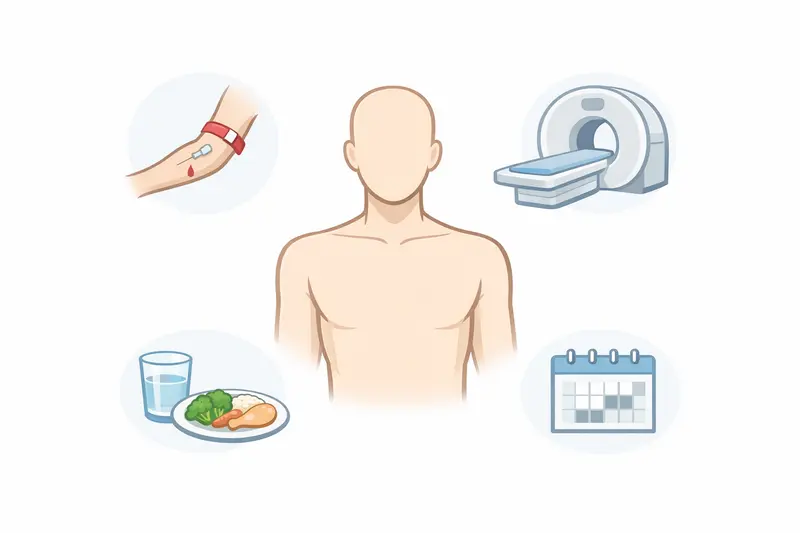
- Preparation instructions vary by test, so follow the specific guidance for your appointment.
- Fasting, water intake, medicines, and timing can all affect blood test accuracy.
- MRI and CT scans may require extra safety checks, especially for metal, contrast use, pregnancy, or kidney problems.
- Common mistakes such as eating, drinking coffee, or skipping medicine without advice can lead to repeat testing.
Preparing properly for a medical test can make the results more accurate and may reduce the chance of needing to repeat the examination. The right preparation depends on the type of test, but common instructions may include fasting, avoiding certain medicines, drinking water, or arriving early for safety checks. For a wider view on various types of tests and procedures, see Examinations and Treatments Explained for Patients.
This guide explains how to prepare for common blood tests and imaging examinations, what to avoid beforehand, why preparation matters, and which mistakes most often affect test results.
How to prepare for blood tests
Blood test preparation depends on what is being measured. Some tests can be done at any time, while others are more accurate if food, drink, exercise, or medicines are controlled beforehand.
When fasting is needed
A doctor or laboratory may ask you to fast before tests such as glucose, lipid profile, or some metabolic measurements. Fasting usually means no food for 8 to 12 hours before the blood sample is taken. In many cases, plain water is still allowed and may even make the blood draw easier by helping you stay hydrated.
It is important to check the exact instructions because “fasting” does not always mean the same thing for every test. For example, black coffee, milk, juice, chewing gum, or sweets may affect blood sugar or insulin measurements.
Medicines and supplements
Patients should not stop prescribed medicines unless a doctor specifically advises it. However, some medicines and supplements can influence blood test results. Examples include:
- iron tablets, which may affect iron studies
- biotin supplements, which can interfere with some hormone and cardiac blood tests
- diabetes medicines, which may need special timing if fasting is required
- anticoagulants, which may matter if bleeding risk is a concern during sample collection
Bringing a list of medicines, vitamins, and supplements is often helpful.
Hydration, timing, and practical steps
Unless you are told otherwise, drinking water before a blood test is usually sensible. Dehydration can make veins harder to find, which may make the blood draw more difficult.
Some blood tests are time-sensitive. Cortisol, for example, is often checked in the morning, while some hormone tests may need to be timed with the menstrual cycle. If the laboratory gives a time window, it should be followed closely.
- Wear clothing with sleeves that can be rolled up easily.
- Arrive with the test request form and identification if needed.
- Tell staff if you have a history of fainting during blood draws.
- Ask whether the test should be done before taking the morning dose of a medicine.
How to prepare for imaging tests such as MRI or CT
Imaging tests have different preparation rules depending on the area of the body being examined and whether contrast material will be used. MRI, CT, ultrasound, and X-ray do not all require the same steps. If you’re interested in what’s typically involved during a checkup, you may also find it useful to read about what is included in a routine health checkup.
MRI preparation
MRI uses a strong magnetic field, so metal safety is essential. Before the scan, patients are usually asked about:
- pacemakers or implanted cardiac devices
- aneurysm clips, cochlear implants, or neurostimulators
- metal fragments in the eye or body
- joint replacements, screws, or surgical clips
- pregnancy
Clothing may need to be changed if it contains metal zips, hooks, or underwires. Jewellery, watches, hairpins, hearing aids, removable dental appliances, and bank cards usually need to be removed as well.
If contrast is planned, kidney function may need to be checked in advance in some patients, especially older adults or those with known kidney disease.
CT scan preparation
Some CT scans require contrast that is injected into a vein, swallowed, or both. Patients may be asked not to eat for a few hours before the test. This is common when intravenous contrast is used, although protocols vary by centre and by the type of scan.
It is important to mention:
- previous contrast reactions
- asthma or severe allergies
- kidney disease
- metformin use, if the doctor or imaging team specifically asks about it
- possible pregnancy
During contrast injection, a warm sensation or metallic taste may occur briefly and is usually expected.
Other imaging tests
Preparation may differ for other examinations:
- Abdominal ultrasound: fasting may be required to reduce bowel gas and improve views of the gallbladder or upper abdomen.
- Pelvic ultrasound: a full bladder may be needed, especially for some transabdominal scans.
- Mammography: deodorant, talc, or creams on the chest or underarm area may need to be avoided on the day because they can affect the images.
- Bone density scan: calcium supplements may need to be avoided for a period before the test, depending on local instructions.
What to avoid before diagnostic tests
What should be avoided depends on the examination, but several common factors can interfere with diagnostic accuracy.
- Food and caloric drinks before fasting blood tests or scans that require an empty stomach
- Alcohol, which can affect liver tests, blood sugar, hydration, and sedation safety
- Heavy exercise shortly before some blood tests, because it may temporarily change muscle enzymes, lactate, blood sugar, and hydration status
- Smoking or nicotine before certain cardiovascular or respiratory tests
- Caffeine before some heart tests or when fasting instructions say that only water is allowed
- Unapproved medicine changes, including skipping or doubling doses without medical advice
- Metal objects before MRI
- Creams, lotions, or make-up on areas being imaged if the centre advises avoiding them
It is also best not to assume that previous instructions apply to the current test. Preparation for a CT of the abdomen may be very different from preparation for a CT of the chest, even though both are CT scans.
Why preparation affects test results
Preparation matters because many test results are influenced by recent eating, drinking, activity, medicines, and the body’s condition at the time of the examination. If these factors are not controlled, the result may not reflect the underlying medical situation accurately.
Effects on blood tests
After eating, blood glucose and triglyceride levels may rise. Dehydration can make some blood values appear more concentrated. Strenuous exercise may increase creatine kinase and sometimes affect kidney-related measurements. Supplements such as biotin can interfere with certain immunoassays, including some thyroid and cardiac marker tests.
Effects on imaging
Preparation can also affect image quality. Bowel gas may limit ultrasound views. A poorly filled or overfilled bladder may reduce the usefulness of some pelvic imaging. Movement during MRI can blur images and make them harder to interpret. If contrast safety questions are not reviewed properly, the test may be delayed or changed.
Why repeat testing may happen
If preparation instructions are not followed, the test may need to be rescheduled or repeated. This can delay diagnosis, cause inconvenience, and sometimes lead to extra costs or unnecessary worry.
Common mistakes before medical tests
Several practical mistakes come up repeatedly and can often be avoided with a quick review of the instructions.
- Eating a light breakfast before a test that actually required fasting
- Drinking coffee, juice, or energy drinks when only water was permitted
- Forgetting to mention regular medicines, herbal products, or supplements
- Stopping prescribed medicines without checking first
- Arriving dehydrated for a blood test
- Wearing metal-containing clothing or keeping jewellery on for MRI
- Not telling staff about implants, pregnancy, allergies, or previous contrast reactions
- Missing the correct timing for morning tests or cycle-related hormone tests
- Ignoring instructions about bladder filling for ultrasound
- Doing intense exercise just before laboratory testing
If any instruction is unclear, it is safer to ask before the appointment rather than guess. Even small details, such as whether water is allowed or when to take morning tablets, can change how useful the final result will be.
For most patients, the best approach is simple: read the preparation sheet carefully, follow the timing exactly, bring a list of medicines, and inform the team about allergies, implants, pregnancy, kidney problems, or past reactions to contrast materials.


