
Endoscopy is a commonly used medical procedure that allows doctors to look inside your body without the need for major surgery. For many patients, the idea of an endoscopy can cause worry or confusion. Understanding what an endoscopy involves, why it might be recommended, and what to expect before, during, and after the procedure can help ease any concerns. This article provides a clear overview of endoscopy for patients and families, explaining when and why it’s used, how to prepare, what the process is like, and what usually happens next.
Whether your doctor has suggested an endoscopy for you or a loved one, or you’re simply curious about this examination, the following sections will guide you through the most important aspects in patient-friendly language.
Reasons for endoscopy
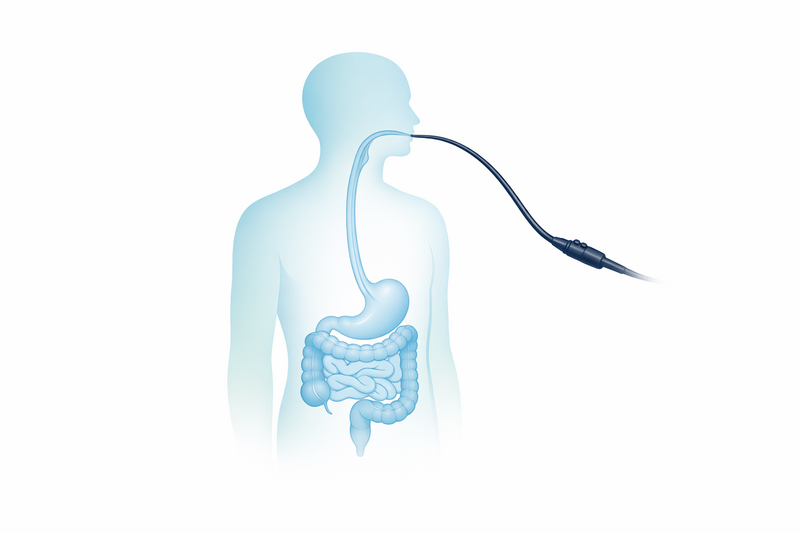
Doctors may recommend an endoscopy for several reasons. In general, it is used to examine, diagnose, or sometimes treat conditions inside the body using a thin, flexible tube with a camera and light, called an endoscope. The specific reasons for having an endoscopy depend on your symptoms and medical history.
- Investigating symptoms: If you have symptoms such as persistent abdominal pain, unexplained weight loss, difficulty swallowing, chronic heartburn, bleeding, or changes in bowel habits, an endoscopy may help identify the cause.
- Screening for diseases: Endoscopy is often used to screen for certain cancers, such as bowel cancer (colorectal cancer) (colonoscopy) or oesophageal cancer (gastroscopy), especially in people with increased risk.
- Diagnosing conditions: Doctors can use endoscopy to diagnose issues such as ulcers, inflammation, infections, or growths (polyps or tumors) inside the digestive tract or other organs.
- Treating problems: In some cases, endoscopy can be used to treat issues directly, such as removing polyps, stopping bleeding, widening narrow areas, or retrieving foreign objects.
There are different types of endoscopy, depending on the area of the body being examined. The most common are:
- Gastroscopy: Examines the oesophagus, stomach, and upper part of the small intestine.
- Colonoscopy: Looks at the colon (large intestine) and rectum.
- Bronchoscopy: Views the airways and lungs.
- Cystoscopy: Checks the bladder and urinary tract.
Your doctor will explain which type of endoscopy is recommended in your case and why it may be helpful for your health.
Preparation
Proper preparation is important for a successful endoscopy. The steps you need to follow depend on the type of endoscopy you are having. Your healthcare team will give you specific instructions, but there are some general points to keep in mind:
- Fasting: For most endoscopies, you will need to avoid eating or drinking for several hours beforehand. This is especially important for procedures involving the digestive system, such as gastroscopy or colonoscopy, to ensure a clear view and reduce the risk of complications.
- Bowel preparation: If you are having a colonoscopy, you will usually be asked to take a special laxative or follow a clear liquid diet beforehand to empty your bowel. This can be uncomfortable but is essential for a thorough examination.
- Medication adjustments: Inform your doctor about all medications you are taking, including blood thinners, diabetes medication, or supplements. Some may need to be temporarily stopped or adjusted.
- Arrange transport: Depending on whether sedation is used during your endoscopy, you may not be able to drive or travel alone afterwards. It’s a good idea to arrange for a friend or family member to accompany you.
- Discuss health conditions: Tell your healthcare team if you have any medical conditions, allergies, or if you are pregnant, as this may influence how the procedure is performed.
Following these instructions closely can help reduce risks and improve the accuracy of your results. If you are unsure about any aspect of the preparation, do not hesitate to contact your healthcare provider for clarification.
What happens during the exam
Understanding what to expect during an endoscopy can help you feel more at ease. The process will vary depending on the type of endoscopy and the area being examined, but there are some similarities across most procedures.
- Arrival and consent: When you arrive at the clinic or hospital, a nurse or doctor will review your medical history, answer any remaining questions, and ask you to sign a consent form.
- Preparation: You may be asked to change into a gown and remove jewellery or dentures. For certain types of endoscopy, a sedative or local anaesthetic may be offered to help you relax and minimise discomfort.
- The procedure: The doctor will gently insert the endoscope through the mouth, nose, or rectum, depending on the area being examined. The endoscope is a thin, flexible tube with a light and camera, allowing the doctor to see images on a monitor in real time.
- Tissue samples: If necessary, the doctor may take small samples of tissue (biopsies) or remove polyps during the exam. This is usually painless, as the tissue does not have sensitive nerves.
- Duration: Most endoscopy procedures take between 15 and 60 minutes, but this can vary.
- After the procedure: You will be monitored for a short time as the sedative wears off. You may feel drowsy and could have mild discomfort such as a sore throat, bloating, or cramping, depending on the procedure.
Endoscopy is generally safe, but like all medical procedures, it carries some risks. Serious complications are rare but may include bleeding, infection, or damage to the area being examined. Your doctor will discuss these risks with you beforehand and answer any questions.
Tips to help you feel more comfortable
- Ask your doctor to explain each step if you feel anxious.
- Tell the nurse or doctor if you feel any pain or discomfort during the procedure.
- Wear comfortable, loose clothing on the day of the exam.
- Bring a list of any questions or concerns you might have.
Typical next steps
After your endoscopy, your healthcare team will guide you through the next steps. Your experience will depend on the findings of the exam and whether any treatment was performed during the procedure.
- Recovery: Most patients recover quickly and can go home the same day. If you received sedation, you may feel sleepy for several hours, so rest is recommended. You should not drive, operate machinery, or make important decisions for the rest of the day.
- Aftercare instructions: You may be given advice on eating, drinking, and activity levels following your procedure. Mild side effects, such as a sore throat (after gastroscopy) or bloating (after colonoscopy), usually go away within a day or two. If you experience severe pain, persistent vomiting, fever, or bleeding, contact your healthcare provider immediately.
- Results: In some cases, your doctor may be able to discuss the initial findings straight after the procedure. However, if tissue samples were taken, you may need to wait a few days for laboratory results. Your doctor will explain the results and discuss any further tests or treatments if needed.
- Follow-up: Depending on the results, you might need a follow-up appointment, further tests, or ongoing monitoring. Your doctor will advise you on the best next steps for your health.
For some individuals, symptoms like blood in the stool can be a reason for referral to an endoscopy, and you can learn more about possible causes and when to seek help by visiting our detailed guide on blood in the stool and related warning signs.
Remember, most people recover quickly and do not experience serious side effects after an endoscopy. Your healthcare team is there to support you throughout the process and answer any concerns you may have.
When to seek medical advice after endoscopy
- Severe or persistent abdominal pain
- High fever or chills
- Difficulty breathing
- Heavy bleeding
- Chest pain
If you notice any of these symptoms, contact your healthcare provider or seek medical help straight away.
Endoscopy is a valuable tool for diagnosing and sometimes treating a range of conditions with minimal recovery time. By understanding what to expect, you can approach your procedure with greater confidence and peace of mind. If you have any questions about your upcoming endoscopy or your health, speak with your doctor or nurse—they are there to help guide you every step of the way.


