Noticing your weight increase even though you have not changed your eating habits or activity levels can be worrying and confusing. Many people experience gradual or sudden weight gain without obvious reasons. This situation often raises questions and concerns about what might be happening inside the body. While lifestyle factors such as diet and exercise are common causes of weight changes, there are several medical reasons why weight gain can occur independently of these factors. Understanding the possible causes is the first step towards finding answers and support.
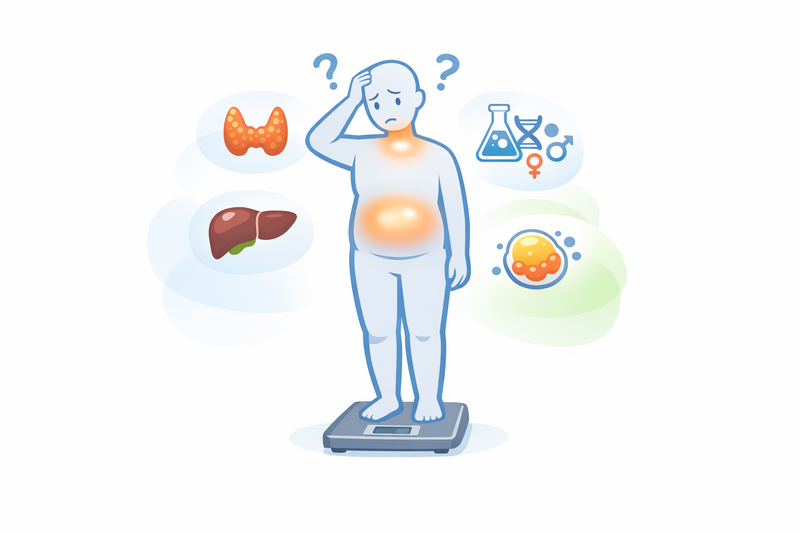
This article explores the medical reasons behind unexplained weight gain, focusing on hormonal causes, metabolic factors, effects of medications, and when to consider seeking a medical evaluation. If you are experiencing unexplained weight gain, remember that you are not alone and that help is available.
Hormonal causes
Hormones are chemical messengers that regulate many bodily functions, including metabolism, appetite, and fat storage. When hormone levels become imbalanced, they can lead to changes in weight, even if your diet and physical activity remain the same.
- Thyroid disorders: The thyroid gland produces hormones that control the speed of your metabolism. An underactive thyroid (hypothyroidism) can slow down metabolism, leading to weight gain, tiredness, and other symptoms such as dry skin and constipation.
- Polycystic ovary syndrome (PCOS): This common hormonal condition affects women of reproductive age. PCOS can cause irregular periods, increased hair growth, and weight gain, especially around the abdomen. The weight gain associated with PCOS is often resistant to traditional weight-loss strategies.
- Cushing’s syndrome: This rare condition occurs when the body is exposed to high levels of the hormone cortisol for a long time. Symptoms include weight gain, particularly in the face, neck, and trunk, as well as thinning skin and easy bruising.
- Menopause: Hormonal changes during menopause may slow metabolism and promote fat accumulation, especially around the abdomen. Some women notice weight gain during this stage of life, even if their eating habits remain the same.
- Insulin resistance: When the body becomes less sensitive to insulin, a hormone that helps control blood sugar, it can result in increased fat storage and gradual weight gain.
If you have noticed other symptoms alongside weight gain, such as changes in your periods, mood swings, or persistent tiredness, it may be helpful to discuss these with your healthcare provider. Blood tests and a medical assessment can help identify or rule out hormonal causes.
Metabolic factors
Metabolism is the process by which your body converts food into energy. Various factors can influence your metabolic rate, and changes can lead to unexpected weight gain.
- Age-related changes: As people age, their metabolism naturally slows down. Muscle mass tends to decrease, and fat may accumulate more easily, even if you continue with the same diet and exercise routine.
- Genetic factors: Some individuals have a naturally slower metabolism due to their genetic makeup, making them more prone to weight gain.
- Chronic stress: Ongoing stress can lead to increased levels of cortisol, a hormone that may promote fat storage, particularly around the abdomen. Stress can also affect sleep and increase cravings for high-calorie foods, further complicating weight management.
- Sleep disorders: Conditions such as sleep apnea or chronic sleep deprivation can disrupt the regulation of hormones involved in hunger and appetite, leading to weight gain.
While some metabolic changes are a natural part of ageing, sudden or significant shifts in weight may indicate an underlying health issue. If you are finding it increasingly difficult to manage your weight despite maintaining healthy habits, it may be worth discussing with a healthcare professional.
Medication effects
Many commonly prescribed medications can have weight gain as a side effect. This is not always due to increased appetite; some medications may alter how your body processes calories or stores fat.
- Antidepressants: Certain types of antidepressants, such as selective serotonin reuptake inhibitors (SSRIs) and tricyclic antidepressants, have been linked to weight gain in some people.
- Corticosteroids: These medications, often prescribed for inflammatory conditions, can cause increased appetite and fluid retention, leading to weight gain.
- Diabetes medications: Some drugs used to treat diabetes, especially insulin and some oral medications, may result in weight gain as a side effect.
- Antipsychotic medications: Medications used to treat mental health conditions such as schizophrenia and bipolar disorder are known to cause significant weight changes in some individuals.
- Beta-blockers: Used to manage high blood pressure and heart problems, beta-blockers can slow metabolism and contribute to weight gain in some people.
If you suspect that a medication is causing you to gain weight, do not stop taking it without consulting your doctor. In many cases, there may be alternative treatments or strategies that can help manage this side effect.
When medical evaluation is advised
Unexplained weight gain can sometimes be a sign of an underlying medical condition that requires attention. While minor fluctuations are normal, there are situations when you should consider seeking medical advice:
- Your weight gain is rapid or significant (for example, several kilograms in a few weeks or months).
- You notice swelling in your legs, ankles, or abdomen, which could indicate fluid retention.
- You experience other symptoms, such as fatigue, changes in skin or hair, irregular periods, or mood changes.
- You have a history of hormonal or metabolic conditions.
- You are taking new medications and notice a sudden change in your weight.
During a medical evaluation, your doctor will usually ask about your medical history, medications, recent life changes, and any other symptoms you have experienced. They may perform a physical examination and order blood tests or other investigations to identify possible causes.
It is important to remember that weight gain is a complex issue with many possible contributing factors. A thorough assessment can help uncover the reason and guide you towards effective management strategies.
For those who are concerned about thyroid health as a possible reason for unexplained weight gain, you may find it helpful to read more about when to consider thyroid testing for unexplained symptoms and how thyroid disorders can impact your body.
In summary, gaining weight without apparent changes in your diet or activity can be caused by several medical factors. Hormonal imbalances, metabolic changes, and the effects of medication are among the most common reasons. If you are concerned about unexplained weight gain, especially if it is accompanied by other symptoms, a healthcare professional can help identify the cause and recommend appropriate steps. Early evaluation and support can make a significant difference in your overall health and wellbeing.