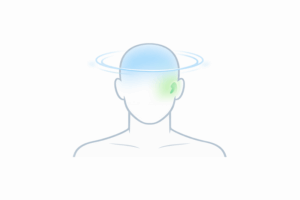
Most headaches are unpleasant but not dangerous. However, a sudden severe headache—often described as the “worst headache of your life”—can sometimes signal a serious medical emergency. Understanding when a headache needs urgent attention can make a crucial difference for your health and peace of mind. This article explains the warning signs, possible causes, and what to do if you or someone you know experiences a sudden, intense headache.
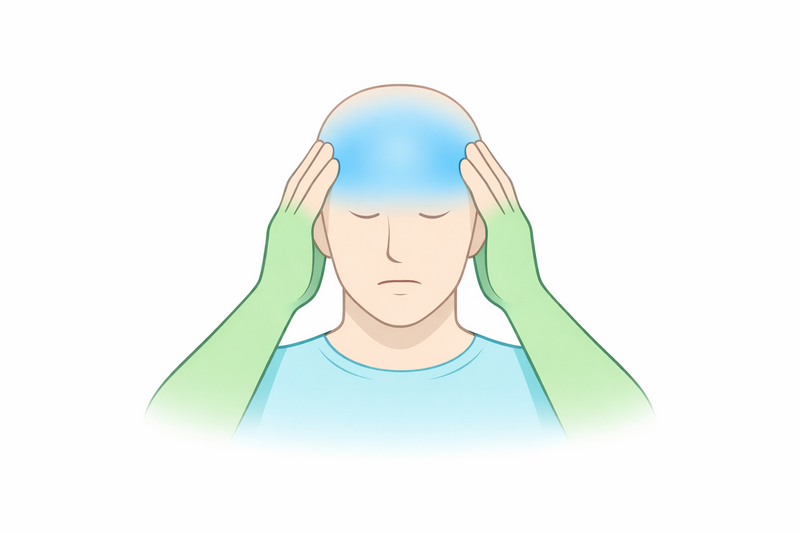
Recognising the difference between a typical headache and one that needs emergency care is essential. While most headaches resolve with rest or over-the-counter medicine, some require immediate medical evaluation. Here’s what every patient should know.
What makes a headache high-risk
Not all headaches are the same. Doctors consider certain characteristics especially concerning, suggesting the headache could be a sign of a more serious condition. A high-risk headache often has one or more of the following features:
- Sudden onset: The headache comes on very quickly, reaching peak intensity within seconds or minutes.
- Severe pain: The pain is extremely intense, sometimes described as the “worst headache of your life.”
- New pattern: The headache feels different from any you’ve had before, especially if you do not usually get headaches.
- Triggered by activity: It starts abruptly after physical exertion, coughing, sneezing, or sexual activity.
- Associated with neurological symptoms: There is confusion, weakness, difficulty speaking, vision changes, loss of consciousness, or seizures.
- Linked with other symptoms: Such as fever, neck stiffness, rash, or sensitivity to light.
Any of these features raise concern, and a combination of them increases the urgency. If you or someone else experiences a headache with these characteristics, it is important to act quickly.
Emergency warning signs
Certain symptoms accompanying a severe headache should prompt immediate medical attention. These may indicate life-threatening conditions such as bleeding in the brain, meningitis, or stroke.
- Sudden, severe headache: Especially if it reaches peak intensity within seconds or a few minutes.
- Loss of consciousness: Fainting, confusion, or difficulty staying awake.
- Neurological changes: Weakness, numbness, difficulty speaking, trouble understanding speech, vision loss, double vision, or difficulty walking.
- Stiff neck or fever: Especially in combination with headache, which can signal an infection like meningitis.
- Seizures: Any new seizure or convulsion in the context of a sudden headache.
- Persistent vomiting: Inability to keep fluids down along with headache.
- Headache after head injury: Especially if accompanied by confusion or drowsiness.
If you notice any of these symptoms, call emergency services right away. Do not attempt to drive yourself or wait to see if symptoms improve. Quick action may be life-saving.
Common non-emergency causes
It’s important to remember that not all severe headaches are emergencies. Many causes, while painful, are not life-threatening. Some of the more common non-emergency causes include:
- Migraine: A neurological condition that can bring on sudden, intense headaches, often with nausea, sensitivity to light, and visual disturbances.
- Tension-type headache: Usually feels like a tight band around the head and builds up gradually, but can sometimes be severe.
- Cluster headache: Severe pain, usually around one eye, that comes in cycles or “clusters.” The pain can be excruciating but is not usually a medical emergency.
- Sinus headache: Caused by inflammation or infection in the sinuses, often with facial pain and congestion.
- Caffeine withdrawal: Sudden stopping of regular caffeine intake can lead to intense headaches.
- Medication overuse headache: Occurs from frequent use of pain relievers for headaches, leading to a cycle of worsening headaches.
While these conditions can cause severe discomfort, they typically do not present with the emergency warning signs listed above. However, if you’re unsure or the headache feels different than usual, it’s always best to seek medical advice.
What to do immediately
If you or someone near you develops a sudden severe headache, consider these steps:
- Assess for warning signs: Check for confusion, fainting, weakness, vision changes, fever, neck stiffness, or seizure activity.
- Call emergency services: If any emergency signs are present, seek immediate help. In Europe, dial 112. In the UK, dial 999.
- Do not drive yourself: Arrange for ambulance transport if symptoms are severe or progressing.
- Stay with the person: If you are assisting someone else, remain with them and monitor their breathing and consciousness.
- Keep calm: Try to stay calm and provide information to emergency responders when they arrive.
- Note details: Record when symptoms started, what the headache felt like, and any other symptoms—these details can help doctors quickly assess the situation.
- If no emergency signs: If there are no red flags but the pain is severe or unusual, contact your GP or an urgent care clinic for advice.
Never ignore a sudden severe headache, especially if it’s unlike any you’ve had before. Trust your instincts—if you feel something is seriously wrong, seek help without delay.
How doctors evaluate severe headaches
When you arrive at a hospital or clinic with a sudden severe headache, medical staff will act quickly to determine the cause. Their approach typically includes:
- Taking a detailed history: You’ll be asked about the onset, duration, and quality of the headache, as well as any associated symptoms or previous history of headaches.
- Physical and neurological examination: Doctors will check your vital signs and look for any signs of neurological problems, such as weakness, changes in reflexes, or problems with speech and vision.
- Imaging tests: If a serious cause is suspected, such as bleeding in the brain (subarachnoid haemorrhage) or stroke, you may have a CT scan or MRI to look for abnormalities.
- Blood tests: These may help identify infections, inflammation, or other underlying conditions.
- Lumbar puncture (spinal tap): Sometimes, especially if meningitis or bleeding is suspected and scans are normal, a sample of the fluid around the brain and spinal cord may be collected for testing.
Not every patient will need all these tests. The choice depends on your symptoms and risk factors. The goal is to quickly rule out life-threatening causes and provide appropriate treatment as soon as possible.
If a serious cause is found, treatment may involve hospital admission, medication, or even surgery. If tests are negative and no dangerous cause is identified, you may be reassured and offered pain relief and follow-up care.
If you want to learn more about recognising neurological emergencies, you may find it helpful to read our detailed guide on how to spot early stroke symptoms and the FAST test.
In summary: While most headaches are not dangerous, a sudden severe headache can sometimes be a sign of a serious emergency. Knowing the warning signs and acting quickly can help ensure the best possible outcome. If in doubt, always seek medical advice promptly. Your health and safety come first.