
Waking up in the middle of the night drenched in sweat can be unsettling. Many people experience night sweats at some point, and while they are often harmless, they can occasionally be a sign of an underlying health condition. Understanding when night sweats are nothing to worry about and when they might require a doctor’s attention can help you make informed decisions about your health.
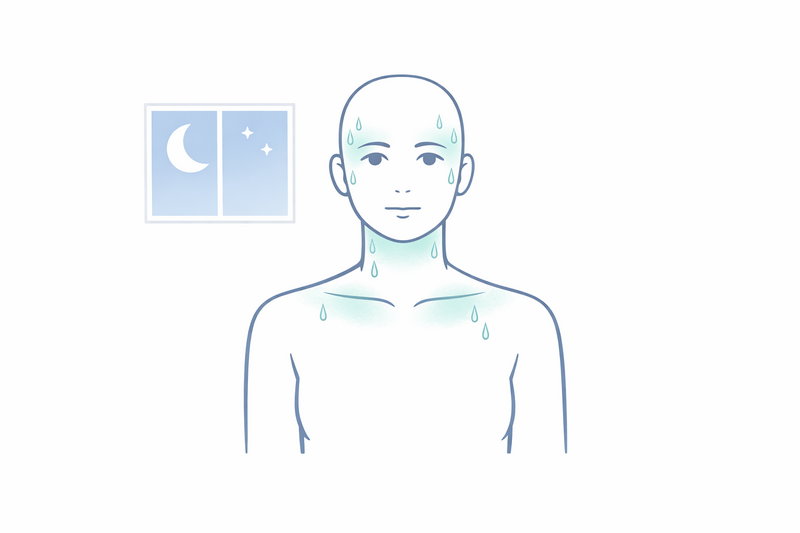
In this article, we will explore common harmless causes of night sweats, discuss when medical testing is recommended, review which exams a doctor may order, and explain some of the more serious causes such as hormonal or infectious diseases. We’ll also cover what happens after a diagnosis is made, so you know what to expect if you seek medical advice.
Common benign causes of night sweats
Night sweats are surprisingly common and often not a cause for concern. The body’s temperature regulation can be influenced by many everyday factors, leading to sweating during sleep even in the absence of disease.
- Warm sleeping environment: Overly warm rooms, heavy bedding, or wearing thick pajamas can cause your body to overheat and trigger sweating as it tries to cool down.
- Stress and anxiety: Emotional stress or nightmares can stimulate the body’s “fight or flight” response, leading to sweating at night.
- Diet: Eating spicy foods, drinking caffeinated beverages, or consuming alcohol close to bedtime can all increase the likelihood of night sweats.
- Medications: Some medications, such as antidepressants, steroids, and certain pain relievers, may cause night sweats as a side effect.
- Minor infections: Common viral illnesses, such as colds or mild influenza, can sometimes cause temporary night sweats as the body fights off infection.
For many people, identifying and addressing these factors can help reduce or eliminate night sweats. Adjusting your sleeping environment, managing stress, and reviewing your medication list with a healthcare professional are good first steps if your night sweats are bothersome but not accompanied by other symptoms.
When doctors recommend testing
While harmless causes of night sweats are far more common, there are situations where a doctor may suggest further evaluation. Knowing when to seek medical advice is important for your peace of mind and health.
- Persistent or severe night sweats: If you regularly experience significant sweating that soaks your sheets or pajamas for more than a few weeks, it is worth discussing with your doctor.
- Associated symptoms: Night sweats that occur alongside unexplained weight loss, fever, persistent cough, swollen lymph nodes, or unexplained fatigue should be assessed medically.
- History of chronic illness: If you have a history of cancer, immune system disorders, or other chronic diseases, new-onset night sweats should be evaluated.
- Older age: Doctors may be more cautious in adults over the age of 50, especially if other symptoms are present.
In general, if night sweats are mild, short-lived, and not accompanied by other symptoms, they may not require testing. However, your doctor may recommend evaluation if there is any concern about an underlying medical condition.
Which exams may be ordered
If your doctor believes that further investigation is needed, they will begin with a thorough medical history and physical examination. Depending on your specific symptoms and risk factors, they may recommend one or more of the following tests:
- Blood tests: These can help check for infections, hormonal imbalances, blood disorders, or evidence of inflammation in the body.
- Urine tests: Urine analysis may help rule out certain infections or metabolic diseases.
- Imaging studies: Chest X-rays or other scans may be ordered if there is concern about lung infections, lymph node enlargement, or tumors.
- Specialised tests: Depending on the findings, you may be referred for more specific tests, such as tuberculosis screening, HIV testing, or hormone level assessments.
These exams are chosen based on your personal history and physical findings. It is common for a doctor to start with basic tests and then proceed to more specific investigations if something abnormal is detected.
Hormonal vs infectious causes
Night sweats can sometimes be a symptom of a serious medical condition. Two of the most common categories are hormonal changes and infections.
Hormonal causes
- Menopause: Hot flashes and night sweats are common symptoms of menopause due to changes in estrogen levels. This is a normal part of aging for women, but it can be very disruptive to sleep.
- Thyroid disorders: An overactive thyroid gland (hyperthyroidism) can speed up metabolism, causing increased sweating, including at night.
- Other hormone-related conditions: Disorders of the adrenal glands or rare tumors can also affect hormone production and cause night sweats.
Infectious causes
- Tuberculosis: This bacterial infection remains a classic cause of unexplained night sweats, often accompanied by chronic cough and weight loss.
- Other infections: HIV, endocarditis (infection of the heart lining), and certain other chronic infections can also lead to night sweats.
- Acute infections: Sometimes, night sweats are simply the body’s response to fighting off a temporary infection, such as influenza or a respiratory illness.
It is important to note that while night sweats can be a symptom of these conditions, they are rarely the only symptom present. If you are otherwise feeling well, serious causes are far less likely.
What happens after diagnosis
If a specific cause for night sweats is identified, your doctor will discuss treatment options or next steps based on the diagnosis. The approach will depend on the underlying condition:
- Benign causes: If your night sweats are linked to lifestyle factors, simple changes such as adjusting room temperature, choosing lighter bedding, or avoiding spicy foods may be advised.
- Hormonal causes: Management may involve hormone replacement therapy for menopause, or medications to control thyroid function if a thyroid disorder is present.
- Infectious causes: If an infection is detected, appropriate antibiotics or antiviral medications may be prescribed.
- Other medical conditions: If night sweats are related to a chronic illness or cancer, your doctor will create a comprehensive treatment plan tailored to your needs.
In many cases, addressing the underlying cause leads to improvement or resolution of night sweats. If no serious cause is found, reassurance and lifestyle adjustments are usually sufficient.
If you are interested in learning more about what your doctor may look for when ordering blood tests related to night sweats, you can read our detailed guide on what doctors check first in blood test results.
It is important to keep open communication with your healthcare provider. If new symptoms develop or if night sweats persist despite treatment, further evaluation may be necessary.
In summary, night sweats are common and often harmless, but they can sometimes signal an underlying health issue. Paying attention to your symptoms and discussing concerns with your doctor can help ensure that any serious causes are identified and managed early. Most people find that with reassurance, advice, or targeted treatment, night sweats can be effectively managed, allowing for a better night’s sleep and improved quality of life.


