
Feeling lightheaded when standing up is a common experience for many people. While it can be unsettling, this sensation is often temporary and harmless. However, in some cases, it may signal an underlying health condition that requires medical attention. Understanding why lightheadedness happens, especially when changing positions, can help you know what to do next and when to seek help.
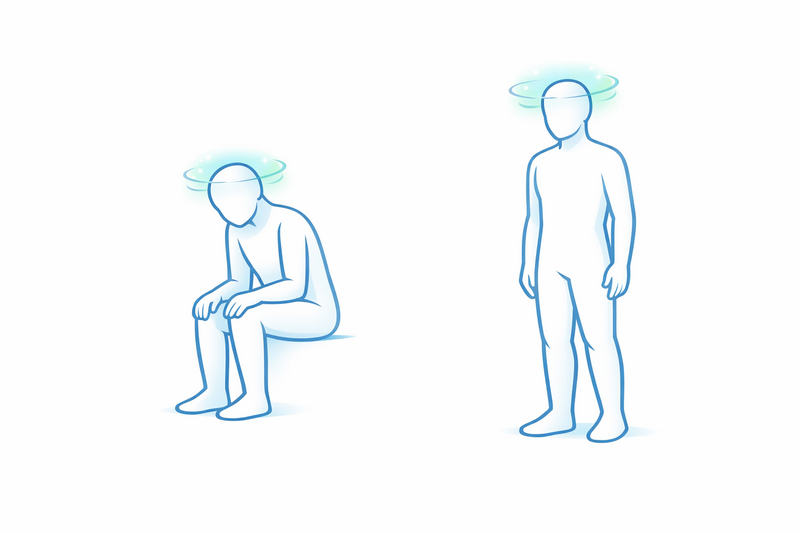
This article explains the most common causes of lightheadedness when standing, the role of blood pressure and dehydration, how doctors investigate these symptoms, and what happens after a diagnosis. If you or someone you care for often feels dizzy or faint when getting up, knowing more about these issues can provide reassurance and practical guidance.
Common causes of lightheadedness
Lightheadedness refers to a feeling of faintness or dizziness, often described as feeling like you might “lose consciousness.” When it happens upon standing, it can have several different causes. Some of the most common include:
- Drop in blood pressure: Also known as orthostatic or postural hypotension, this is a sudden decrease in blood pressure that occurs when you stand up from a sitting or lying position.
- Dehydration: When your body loses more fluids than you take in, your blood volume drops, making it harder for your heart to pump blood to your brain when you stand.
- Low blood sugar: Skipping meals or having diabetes can cause drops in blood sugar, which may make you feel weak or dizzy.
- Medications: Some medicines, such as those for high blood pressure, depression, or anxiety, can affect your body’s ability to regulate blood pressure upon standing.
- Heart problems: Certain heart conditions can prevent the heart from effectively pumping blood, especially during position changes.
- Nervous system disorders: Conditions that affect nerves (such as Parkinson’s disease or diabetes-related neuropathy) can interfere with the body’s normal blood pressure regulation.
- Prolonged bed rest or inactivity: Being immobile for long periods can weaken the body’s ability to adjust blood pressure quickly.
It is important to remember that occasional, brief episodes of lightheadedness are common, especially in hot weather, after exercise, or if you stand up quickly after sitting or lying down for a long time. Persistent or severe symptoms, however, should not be ignored.
Orthostatic blood pressure changes
Orthostatic hypotension is a medical term for a significant drop in blood pressure when standing up from a sitting or lying position. This drop reduces the flow of blood to the brain and can cause dizziness, lightheadedness, or even fainting (syncope).
Your body has a complex system to keep your blood pressure stable when you change positions. When you stand, gravity causes blood to pool in your legs. In response, your heart beats faster and blood vessels tighten to keep blood flowing to your brain. If this system does not work properly, your blood pressure can drop, leading to symptoms.
Several factors can contribute to orthostatic hypotension:
- Dehydration: Low fluid levels reduce blood volume.
- Blood loss: Losing blood from injury or internal bleeding lowers blood pressure.
- Age: Older adults are more likely to experience orthostatic hypotension due to changes in blood vessels and nervous system function.
- Certain medications: Drugs that lower blood pressure, relax blood vessels, or affect the nervous system can contribute to symptoms.
- Neurological conditions: Diseases that affect the autonomic nervous system can disrupt blood pressure regulation.
Sometimes, orthostatic hypotension is temporary and resolves with rest, increased fluid intake, or adjustment of medications. In other cases, it can point to a more serious health issue that needs evaluation.
When testing is recommended
Not every episode of lightheadedness needs medical testing. However, you should consult a doctor if you:
- Frequently feel lightheaded or dizzy upon standing
- Experience fainting or near-fainting episodes
- Notice these symptoms along with chest pain, palpitations, shortness of breath, or blurred vision
- Have risk factors such as heart disease, diabetes, or neurological disorders
- Are taking medications that affect blood pressure or fluid balance
Your doctor may recommend tests to find the cause of your symptoms. These could include:
- Blood pressure measurements: Checking your blood pressure while lying down, sitting, and standing (orthostatic vital signs).
- Blood tests: To look for anemia, electrolyte imbalances, kidney function, or blood sugar issues.
- Electrocardiogram (ECG): To check your heart’s rhythm and function.
- Heart monitoring: Wearing a portable heart monitor to detect abnormal rhythms over time.
- Echocardiogram: An ultrasound of the heart to detect structural heart disease.
- Other specialized tests: Such as tilt-table testing, which measures your body’s response to changes in position in a controlled setting.
In some cases, your doctor may ask about your fluid intake, recent illnesses, or other symptoms to help determine if dehydration or another reversible cause is likely.
Which specialist evaluates symptoms
For many people, a general practitioner (GP) or family doctor is the first point of contact for symptoms of lightheadedness. They can perform an initial assessment, check your blood pressure, review your medication list, and order basic tests. Depending on the findings, your GP may refer you to a specialist.
Common specialists involved in evaluating lightheadedness include:
- Cardiologists: Experts in heart and blood vessel conditions, often consulted if heart problems or abnormal rhythms are suspected.
- Neurologists: Specialists in the nervous system, they may become involved if a neurological cause is possible.
- Endocrinologists: If hormonal or metabolic issues (such as diabetes or thyroid problems) are considered.
- Geriatricians: Doctors who specialise in the care of older adults, who are more prone to orthostatic hypotension and multiple overlapping medical issues.
In some cases, a multidisciplinary approach is used, with input from several specialties to ensure a thorough evaluation. If medication side effects are suspected, a pharmacist may also review your prescriptions.
It is important to provide your healthcare team with a complete list of your medications, describe your symptoms clearly, and mention any recent changes in your health or lifestyle.
What happens after diagnosis
Once your doctor has determined the likely cause of your lightheadedness, they will discuss the next steps for management. Treatment depends on the underlying reason for your symptoms. Some common approaches include:
- Addressing dehydration: Increasing fluid and salt intake (unless you have a condition where this is not advised) can help boost blood volume.
- Adjusting medications: If a medicine is causing your symptoms, your doctor may lower the dose, switch to an alternative, or recommend taking it at a different time of day.
- Physical counter-manoeuvres: Crossing your legs or tensing muscles before standing can sometimes help raise blood pressure.
- Compression stockings: These can help prevent blood from pooling in your legs.
- Treating underlying conditions: If heart disease, diabetes, or a neurological disorder is found, specific treatment for these conditions can reduce symptoms.
- Lifestyle modifications: Standing up slowly, avoiding long periods of standing, and elevating the head of the bed at night may help.
Your doctor will also advise you on warning signs that require urgent care, such as fainting, chest pain, severe shortness of breath, or new neurological symptoms.
Most people with lightheadedness related to blood pressure or dehydration can manage their symptoms with appropriate changes and medical guidance. However, ongoing or worsening symptoms should always be reviewed by a healthcare professional to exclude more serious causes.
If you are interested in learning about other frequent reasons for dizziness and how doctors approach diagnosis, you may find useful information in our overview of common causes of dizziness and medical evaluation steps.
Living with lightheadedness can be frustrating, but with the right approach, most people find their symptoms improve. If you are unsure about your symptoms or have questions about your health, do not hesitate to seek advice from your doctor. Early evaluation and treatment can help you stay safe and maintain your quality of life.


