
Waking up with stiff joints can be a frustrating way to start the day. For many people, this stiffness eases after a few minutes of movement, but for others, it lingers much longer—sometimes for hours. Morning joint stiffness is a common complaint, especially among adults, and it can hint at a range of underlying conditions, from simple overuse to more complex inflammatory diseases. Understanding what morning stiffness means, and when it might signal something serious, is an important step towards managing your health.
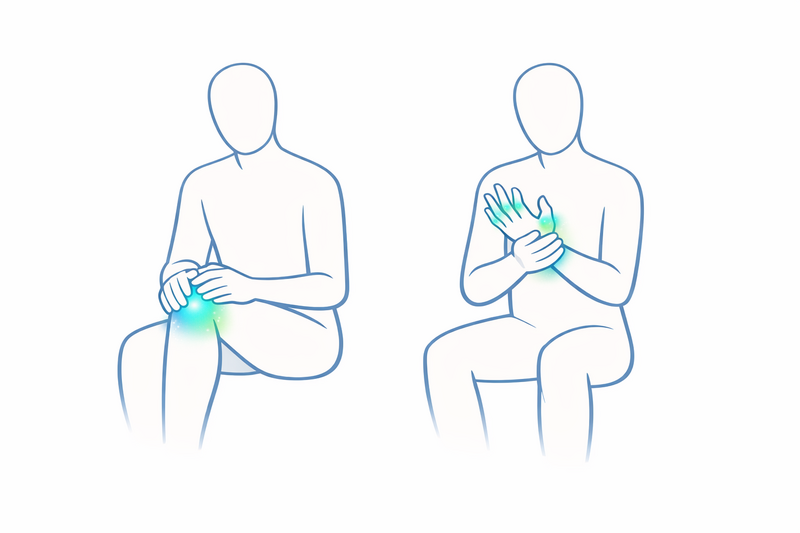
In this article, we’ll explore why joint stiffness happens in the morning, how to recognise signs of inflammation, what tests doctors may recommend, and how the pathway to diagnosis usually unfolds. If you’re concerned about your joints, this guide can help you feel more informed as you discuss symptoms with your healthcare provider.
Common causes of morning stiffness
Morning joint stiffness can result from several different processes in the body. While some causes are relatively harmless, others may require medical attention. Here are some of the most frequent reasons people experience stiff joints when they wake up:
- Osteoarthritis: This is the most common cause of joint stiffness, especially in older adults. Osteoarthritis is a “wear and tear” condition where the protective cartilage in the joints gradually breaks down. Stiffness from osteoarthritis often improves within 30 minutes of getting up.
- Inflammatory arthritis: Conditions such as rheumatoid arthritis, psoriatic arthritis, and ankylosing spondylitis cause inflammation in the joints and surrounding tissues. In these cases, morning stiffness can last an hour or more and may be accompanied by swelling and pain.
- Overuse or injury: Sleeping in an awkward position, straining a muscle, or injuring a joint can lead to stiffness that is usually short-lived and improves as the tissues heal.
- Lack of movement during sleep: Joints can become stiff when they aren’t moved for several hours, especially if you already have mild arthritis or other joint problems.
- Other medical conditions: Some systemic illnesses, such as lupus or fibromyalgia, can also cause joint stiffness, though these are less common.
The duration and pattern of your morning stiffness—how long it lasts, which joints are affected, and whether it improves with movement—can offer important clues about the underlying cause.
Signs of inflammatory joint disease
Inflammatory joint diseases are distinct from the more common osteoarthritis because they involve the body’s immune system attacking the joints. Early recognition is key to effective management, so it’s helpful to know the classic signs:
- Prolonged morning stiffness: Stiffness lasting more than 30–60 minutes after waking is a hallmark of inflammatory arthritis.
- Swelling and warmth: Joints may appear swollen, red, or feel warm to the touch. This suggests active inflammation.
- Multiple joints involved: Inflammatory diseases often affect several joints at once, especially the small joints in the hands and feet.
- Fatigue: Feeling unusually tired or “run down” can accompany joint symptoms in inflammatory conditions.
- Symmetry: Rheumatoid arthritis often involves the same joints on both sides of the body, though this is not always the case.
- Other symptoms: Occasionally, people may notice weight loss, low-grade fever, or general malaise, especially in more active inflammatory diseases.
If you notice these symptoms—particularly if the stiffness is lasting more than an hour or you have swelling—it is a good idea to speak with your doctor. Early treatment of inflammatory arthritis can help prevent joint damage.
Which blood tests doctors may order
If you visit your GP or primary care doctor with persistent morning joint stiffness, they may recommend blood tests to help clarify the cause. The main goals are to look for signs of inflammation, autoimmune activity, or other underlying issues. Common blood tests include:
- ESR (Erythrocyte Sedimentation Rate): This test measures how quickly red blood cells settle at the bottom of a test tube. A high ESR can indicate inflammation somewhere in the body.
- CRP (C-reactive protein): CRP is another marker of inflammation. Higher levels often suggest active inflammatory disease.
- Rheumatoid factor (RF): This is an antibody found in some people with rheumatoid arthritis, though it can also appear in other conditions or even healthy people.
- Anti-CCP antibodies: These antibodies are more specific to rheumatoid arthritis and can help confirm the diagnosis.
- ANA (Antinuclear antibodies): A positive ANA test may point towards systemic autoimmune diseases, such as lupus.
- Full blood count: This checks for anaemia or changes in white blood cells, which may accompany inflammatory diseases.
- Uric acid: High levels may suggest gout, a form of inflammatory arthritis.
It’s important to note that no single test can confirm or rule out inflammatory arthritis. Blood results are interpreted alongside your symptoms, medical history, and physical examination. Sometimes, further tests or repeated blood tests are needed to clarify the diagnosis.
When rheumatology referral happens
General practitioners are well-equipped to investigate many causes of joint stiffness. However, when symptoms suggest an inflammatory joint disease, or if test results are unclear, referral to a specialist—usually a rheumatologist—may be recommended. Some situations when a referral is likely include:
- Persistent, unexplained joint swelling: Especially if it lasts for several weeks and affects multiple joints.
- Prolonged morning stiffness: Stiffness lasting more than an hour on most days, over several weeks.
- Abnormal blood tests: Raised markers of inflammation (such as ESR or CRP) or positive autoimmune antibodies.
- Failure to improve with initial treatment: If simple measures (like pain relief or physical therapy) do not help.
- Other concerning features: Such as unexplained weight loss, fever, or involvement of organs outside the joints.
Early referral to rheumatology is important because starting effective treatment quickly can help control symptoms, protect joint function, and improve long-term outcomes.
How diagnosis usually progresses
The pathway to diagnosing the cause of morning joint stiffness can vary, but there are some common steps most patients will experience. Here’s an overview of how the diagnostic process usually unfolds:
- Initial assessment: Your doctor will ask about your symptoms, how long you have been experiencing stiffness, which joints are affected, and whether you have noticed swelling, pain, or other issues. They may also ask about your family history and any recent illnesses or injuries.
- Physical examination: The doctor will check your joints for swelling, warmth, range of motion, and tenderness. They may also look for signs of inflammation elsewhere in your body.
- Blood tests and imaging: As discussed earlier, blood tests help to identify inflammation or autoimmune activity. Sometimes, X-rays, ultrasound, or MRI scans are ordered to look for damage or inflammation in the joints.
- Referral to a specialist: If findings suggest an inflammatory or complex condition, you may be referred to a rheumatologist for further evaluation.
- Diagnosis and follow-up: The rheumatologist may order more specialised tests or imaging. Diagnosis is often based on a combination of symptoms, physical findings, blood results, and imaging. Once a diagnosis is made, your care team will discuss treatment options and monitoring plans with you.
Sometimes, the diagnosis is not immediately clear. In such cases, your doctor may monitor your symptoms over time, repeat tests, or ask you to keep a symptom diary to help track patterns and changes.
In some cases, persistent joint symptoms may be related to other underlying conditions, such as iron deficiency, which can also cause fatigue and musculoskeletal discomfort. To learn more about how iron deficiency presents and how it is diagnosed, you can read our detailed guide on iron deficiency symptoms and recommended testing.
In summary, morning joint stiffness can be caused by a range of factors, from simple overuse to more serious inflammatory diseases. Paying attention to how long the stiffness lasts, whether there is swelling, and any associated symptoms can help guide when to seek medical advice. Blood tests and specialist assessment play an important role in diagnosis, especially when inflammatory arthritis is suspected. If you have concerns about your joints, speaking with a healthcare professional is the best first step towards getting the answers and support you need.


