High blood pressure, or hypertension, is a common condition that often develops slowly over many years. For many people, it goes unnoticed — earning its reputation as a “silent killer.” Yet, recognising even the subtlest signs and understanding when to check your blood pressure can make a significant difference to your health and wellbeing.
This article explores why high blood pressure is frequently silent, what subtle signs people often overlook, who is most at risk, and how and when to measure your blood pressure. We also explain when you should seek medical advice and support.
Why high blood pressure is often silent
High blood pressure rarely causes noticeable symptoms, especially in its early stages. Your body can adapt to gradual increases in blood pressure, so you may feel perfectly healthy while your blood vessels and organs are under strain. This silent nature is why hypertension is called the “silent killer.”
Most people with high blood pressure do not feel pain or discomfort. The body’s ability to compensate means you might not realise anything is wrong until complications occur, such as heart disease, stroke, or kidney problems. These complications can develop over years or even decades without warning.
Because high blood pressure often goes unnoticed, regular monitoring is essential, particularly for those in higher-risk groups or with a family history of the condition.
Subtle signs and misperceptions
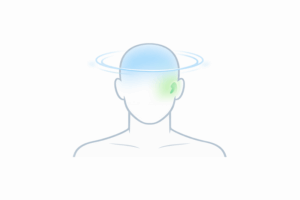
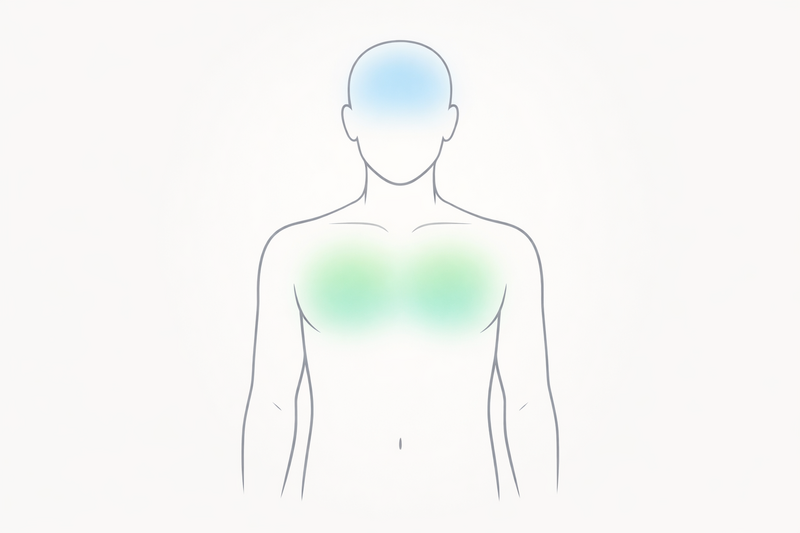
Although high blood pressure is generally symptomless, there are some subtle signs that people may experience. However, these are not specific and can easily be misattributed to other causes. Common misperceptions include:
- Headaches: While severe or persistent headaches may occur with very high blood pressure, most people with hypertension do not experience them regularly.
- Fatigue or confusion: Feeling tired or slightly unwell is common with many conditions and does not always indicate high blood pressure.
- Nosebleeds: Occasionally, nosebleeds can be more frequent with severe hypertension, but this is rare and usually occurs only when blood pressure is extremely high.
- Dizziness or blurred vision: These can sometimes be linked to high blood pressure, but often have other causes.
- Shortness of breath or chest pain: These symptoms may develop if blood pressure is dangerously high or if complications have already occurred.
It’s important to remember that these subtle signs are not exclusive to high blood pressure. Most people with hypertension feel completely normal, reinforcing the need for routine blood pressure checks, even in the absence of symptoms.
Some people mistakenly believe that they can “feel” when their blood pressure is high. However, unless it is very elevated, most cases produce no noticeable feelings or sensations. Relying on how you feel is not a reliable way to detect hypertension.
Who is at higher risk
Anyone can develop high blood pressure, but certain groups have a higher risk. Understanding your risk factors can help you make informed choices about monitoring and prevention.
- Age: Blood pressure tends to rise as you get older, with people over 65 at particular risk.
- Family history: If close relatives have high blood pressure, your own risk may be higher.
- Ethnic background: People of African or Caribbean descent are more prone to developing hypertension at a younger age and may experience more severe complications.
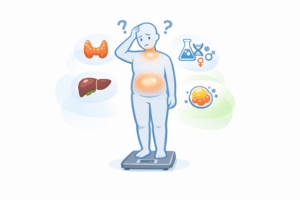
- Overweight or obesity: Carrying extra weight puts additional strain on your heart and blood vessels.
- Lack of physical activity: A sedentary lifestyle can increase the risk of hypertension.
- Unhealthy diet: Diets high in salt, processed foods, and low in fruits and vegetables can contribute to higher blood pressure.
- Excessive alcohol consumption: Drinking large amounts of alcohol consistently can raise your blood pressure over time.
- Smoking: Tobacco use temporarily increases blood pressure and damages blood vessel walls.
- Chronic conditions: Diabetes, kidney disease, and certain hormonal disorders can increase your risk.
Even if you have no obvious risk factors, you can still develop high blood pressure. Therefore, routine screening is recommended for all adults.
When to measure and how
Because high blood pressure often develops without symptoms, regular measurement is key. Knowing when and how to check your blood pressure can help you identify problems early and take action to protect your health.
When should you check your blood pressure?
- If you are an adult, it is advisable to have your blood pressure checked at least once every year.
- If you have risk factors, a family history, or previous high readings, you may need to check more frequently, as advised by your doctor.
- If you are pregnant, regular monitoring is important, as blood pressure can change during pregnancy and pose risks for both mother and baby.
- If you are already diagnosed with hypertension, follow your healthcare provider’s advice about how often to measure.
How is blood pressure measured?
Blood pressure is usually measured by placing an inflatable cuff around your upper arm. This can be done in a clinic, pharmacy, or at home using a validated digital monitor. Home monitoring is increasingly popular as it allows for regular, convenient checks and sometimes gives a more accurate picture, as some people experience “white coat hypertension” (higher readings in a medical setting due to anxiety).
When measuring your blood pressure at home:
- Sit quietly for five minutes before taking a reading
- Keep your feet flat on the floor and your back supported
- Rest your arm at heart level
- Take two or three readings, one minute apart, and record the results
- Measure at the same time each day, ideally morning and evening
Blood pressure readings are given as two numbers, such as 130/80 mmHg. The first (systolic) number measures pressure when your heart beats. The second (diastolic) number measures pressure between beats. Normal blood pressure is usually considered below 120/80 mmHg, but your doctor will interpret your readings in the context of your individual health.
If you are unsure how to use a home monitor, ask your pharmacist or healthcare provider for a demonstration.
When to seek medical review
Because high blood pressure rarely causes symptoms, it is important to seek medical advice if you have persistent readings above the recommended range, even if you feel well.
- If your blood pressure is consistently above 140/90 mmHg (or above the target set by your doctor), book a review with your healthcare provider.
- If you experience severe headaches, vision changes, chest pain, shortness of breath, or confusion along with a high blood pressure reading, seek urgent medical attention.
- If you have other health conditions, such as diabetes or kidney disease, you may need more frequent reviews.
- If you are pregnant and develop high blood pressure, inform your doctor promptly, as this can require special care.
Even if your readings are only slightly elevated, your doctor may recommend lifestyle changes and monitor your blood pressure over time before deciding on further treatment. It is important not to ignore high readings, even if you feel fine.
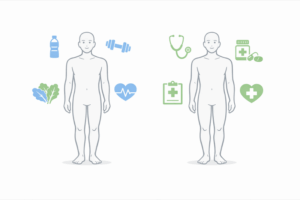
Remember, early detection and management of high blood pressure can help prevent serious complications such as heart attack, stroke, and kidney failure. Regular monitoring, awareness of your risk factors, and partnership with your healthcare team are the best ways to protect your long-term health.
If you have concerns about your blood pressure, or if you are unsure when or how to measure it, speak to your doctor or pharmacist for advice. Taking proactive steps now can make a significant difference to your future wellbeing.
If you would like to learn more about recognising early warning signs of related conditions, you may find our guide on how to spot stroke symptoms quickly and accurately helpful.