Feeling tired from time to time is a normal part of life, especially after a busy day or a poor night’s sleep. But what if the exhaustion does not go away, even after rest? Persistent fatigue can be frustrating and worrying, especially when it lingers for weeks or even months. Understanding what might be causing your ongoing tiredness is the first step toward finding relief and regaining your energy.
This article explains what persistent fatigue means, the most common causes, when to seek medical advice, and how doctors approach the evaluation of fatigue. If you or someone you care about is struggling with tiredness that won’t go away, read on to learn more about potential reasons and next steps.
What persistent fatigue means
Fatigue is more than just feeling sleepy; it is a sense of tiredness, lack of energy, or exhaustion that does not improve with rest. When fatigue lasts for more than a few days and starts to interfere with daily activities, it is considered persistent. Doctors often use the term “chronic fatigue” when tiredness continues for several weeks or longer.
Some people describe fatigue as:
- Waking up tired, even after a full night’s sleep
- Struggling to concentrate or remember things
- Lacking motivation to do regular tasks
- Feeling physically weak or heavy-limbed
- Needing to rest more often than usual
It is important to note that fatigue is a symptom, not a disease itself. It can be caused by many different factors, ranging from everyday habits to underlying medical conditions. Persistent fatigue should not be ignored, especially if it is new, severe, or getting worse.
Common lifestyle causes
Many people experience fatigue due to factors related to their daily habits, routines, or environment. These lifestyle-related causes are often reversible with simple changes. Common examples include:
Poor sleep quality
- Irregular sleep schedules
- Frequent night-time awakenings
- Sleep disorders such as insomnia or sleep apnea
Even if you spend enough time in bed, poor sleep quality can leave you feeling unrefreshed.
Stress and mental health
- Chronic stress or anxiety
- Depression
- Emotional burnout
Mental and emotional well-being have a strong impact on physical energy levels.
Diet and hydration
- Skipping meals or eating an unbalanced diet
- Not drinking enough fluids (dehydration)
- Excessive caffeine or alcohol intake
Poor nutrition or dehydration can make it hard for your body to function optimally.
Lack of physical activity
A sedentary lifestyle can actually make fatigue worse over time. Gentle activity, such as walking, often helps improve energy levels.
Work and life balance
- Long working hours or shift work
- Caregiving responsibilities
- Not allowing time for relaxation
If these factors apply to you, addressing them may help reduce your fatigue. However, if lifestyle changes do not help, or if your tiredness is severe, it is important to consider possible medical causes.
Medical causes worth ruling out
Persistent fatigue can sometimes be a sign of an underlying health condition. Some of the most common medical causes include:
Sleep disorders
- Obstructive sleep apnea (pauses in breathing during sleep)
- Restless legs syndrome
- Chronic insomnia
These conditions often disrupt sleep without you realising it.
Infections
- Viral illnesses (such as the flu or glandular fever/mononucleosis)
- Chronic infections (such as hepatitis or HIV)
Sometimes, fatigue persists even after other symptoms have improved.
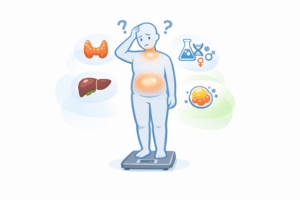
Hormonal and metabolic disorders
- Thyroid problems (underactive or overactive thyroid)
- Diabetes (especially if blood sugar is poorly controlled)
- Adrenal gland disorders
Hormones help regulate energy levels, so imbalances can cause fatigue.
Heart and lung conditions
- Heart failure
- Chronic obstructive pulmonary disease (COPD)
- Asthma
These conditions can reduce the amount of oxygen delivered to your body.
Anaemia and nutritional deficiencies
- Low iron, vitamin B12, or folate
- Other nutritional deficiencies
Anaemia is a common cause of tiredness, especially in women and people with certain chronic conditions.
Chronic pain and inflammatory disorders
- Rheumatoid arthritis and other autoimmune diseases
- Fibromyalgia
Chronic pain can make rest difficult and drain energy.
Mental health conditions
Depression and anxiety can both cause significant, ongoing fatigue. Sometimes, this is the main symptom.
Medications and medical treatments
- Certain blood pressure medicines, antihistamines, or antidepressants
- Cancer treatments such as chemotherapy
If you have started a new medication or treatment, mention this to your doctor.
Chronic fatigue syndrome (CFS/ME)
This is a complex condition where severe, unexplained fatigue lasts for at least six months and does not improve with rest. The exact cause is unknown, and diagnosis is made after other causes are excluded.
This is not a full list of possibilities, and sometimes more than one factor is involved. If your fatigue is persistent, your doctor can help identify or rule out possible medical causes.
When to see a doctor
It is a good idea to consult a healthcare professional if:
- Your fatigue has lasted longer than a few weeks
- You cannot explain your tiredness by lifestyle factors
- Fatigue is severe or getting worse
- It interferes with work, school, or daily life
- You have other symptoms, such as:
- Unintentional weight loss
- Fever or night sweats
- Shortness of breath or chest pain
- Pain, swelling, or ongoing infections
- Changes in mood or memory
- Unusual bleeding or bruising
Some of these symptoms may indicate a serious underlying illness that needs prompt medical attention.
If you ever feel extremely weak, dizzy, confused, or have chest pain or difficulty breathing, seek urgent medical help.
How fatigue is evaluated
When you visit your doctor for persistent fatigue, the evaluation will begin with a detailed discussion about your symptoms, health history, and lifestyle. The aim is to identify any patterns or clues that may suggest a particular cause.
Typical questions your doctor may ask
- How long have you been feeling tired?
- Is your fatigue constant or does it come and go?
- How is your sleep? Do you snore or wake up often?
- Are you experiencing stress, anxiety, or low mood?
- Have you noticed any other symptoms?
- What is your diet and activity level like?
- Are you taking any medications or supplements?
Physical examination
Your doctor may check for signs such as:
- Pale skin or unusual bruising
- Enlarged lymph nodes
- Abnormal heart or lung sounds
- Signs of thyroid or neurological problems
Tests and investigations
Depending on your situation, your doctor may order blood tests to check for:
- Anaemia
- Thyroid function
- Liver and kidney function
- Blood sugar levels
- Signs of infection or inflammation
Further tests, such as sleep studies, heart tests, or scans, may be recommended if needed.
Working with your doctor
Sometimes, the cause of fatigue is straightforward and can be managed with simple changes. In other cases, it may take time and a process of elimination to find the answer. Keep track of your symptoms and be open with your healthcare provider about your concerns and lifestyle. Together, you can develop a plan to improve your energy and well-being.
If you are concerned that your tiredness could be related to blood sugar problems or diabetes, you may find it helpful to read about the early warning signs of type 2 diabetes in our detailed guide: how to recognise and respond to early symptoms of type 2 diabetes.
Remember: Fatigue that won’t go away should never be ignored. While it is often due to lifestyle factors or minor illnesses, it can sometimes signal a more serious problem. If you are unsure or worried about your symptoms, do not hesitate to seek medical advice.