Feeling unsteady or off-balance is a common experience that many people face at some point in their lives. However, it is important to understand that not all sensations of unsteadiness are the same. Two terms that are often used—dizziness and vertigo—describe related but distinct experiences. Recognising the difference between them can help you communicate effectively with your healthcare provider and seek the right care when needed.
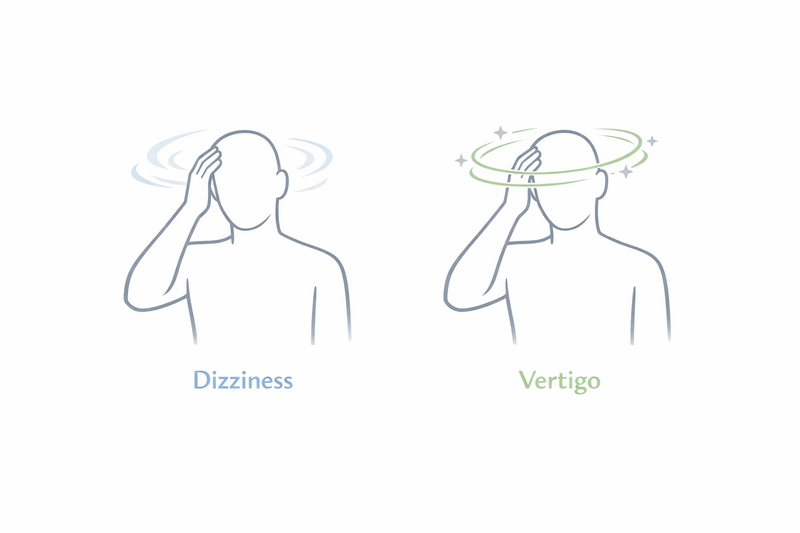
This article will explain how dizziness and vertigo feel, highlight typical causes for each, point out warning signs that require urgent attention, suggest simple self-checks, and describe how doctors evaluate these symptoms. By understanding these distinctions, you can be better prepared to manage your health and know when to seek medical advice.
What dizziness and vertigo feel like
Dizziness is a broad term that can describe a range of sensations, from feeling lightheaded or faint to being unsteady on your feet. People often use the word “dizzy” to mean different things, so it’s helpful to be specific about what you are feeling.
- Lightheadedness: This is the sensation that you might faint or pass out, similar to what you might feel if you stand up too quickly or haven’t eaten for a while.
- Unsteadiness: Some people feel wobbly or as though they are going to lose their balance without a spinning sensation.
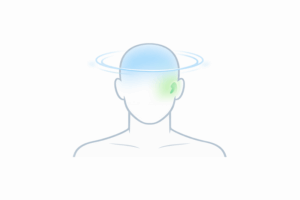
- Vertigo: This is a specific type of dizziness. Vertigo is the feeling that you or your surroundings are spinning, tilting, or moving when you are actually still. It’s often described as a “spinning” sensation, like being on a merry-go-round.
Vertigo can be accompanied by other symptoms such as nausea, vomiting, sweating, or abnormal eye movements. Dizziness, on the other hand, may feel more like being lightheaded or about to faint, and is less likely to be associated with a spinning sensation.
Because the word “dizzy” means different things to different people, describing your exact experience—spinning, floating, faintness, or imbalance—can help your doctor identify what might be going on.
Common causes of each
The causes of dizziness and vertigo can vary widely. Understanding what triggers your symptoms can help narrow down the possible reasons.
Dizziness (lightheadedness, unsteadiness)
- Low blood pressure: Standing up too quickly can cause your blood pressure to drop, making you feel faint or lightheaded (orthostatic hypotension).
- Dehydration or overheating: Not drinking enough fluids or being in hot weather can lower your blood pressure and make you dizzy.
- Heart problems: Irregular heartbeats or other heart conditions can reduce blood flow to the brain.
- Low blood sugar: Skipping meals or having diabetes can sometimes cause lightheadedness.
- Medications: Some medicines can cause dizziness as a side effect.
- Anxiety or panic attacks: Emotional distress can lead to episodes of dizziness or feeling out of balance.
Vertigo (spinning sensation)
- Inner ear problems: The most common cause of vertigo is an issue in the inner ear, which helps control balance.
- Benign paroxysmal positional vertigo (BPPV): Brief episodes of vertigo triggered by changes in the position of your head.
- Vestibular neuritis or labyrinthitis: Infections or inflammations of the inner ear can cause sudden, severe vertigo.
- Meniere’s disease: This condition involves recurrent episodes of vertigo, hearing loss, tinnitus (ringing in the ear), and a feeling of fullness in the ear.
- Migraine: Some people experience vertigo as part of a migraine attack, even without a headache.
- Head injury: Trauma can affect the structures involved in balance.
- Certain medications: Some drugs can affect the inner ear or brain and cause vertigo.
While the causes of dizziness and vertigo often differ, some overlap is possible. For example, both can be triggered by anxiety or certain medications. Describing your symptoms clearly helps your doctor make the right diagnosis.
Red flags that need urgent assessment
Most causes of dizziness and vertigo are not life-threatening, but some symptoms may point to a more serious underlying problem. If you experience any of the following, seek medical attention immediately:
- Sudden, severe headache: Especially if it is the worst headache you have ever had.
- Difficulty speaking, weakness, numbness, or facial drooping: These may be signs of a stroke.
- Loss of consciousness: Fainting or losing consciousness, even briefly.
- Chest pain or palpitations: These could suggest a heart problem.
- New or severe trouble walking, severe imbalance, or inability to stand: Particularly if this develops suddenly.
- Double vision or sudden vision loss: Changes in vision that come on suddenly.
- Persistent vomiting: Unable to keep fluids down, risking dehydration.
- Recent head injury: Especially if you also feel confused or sleepy.
These symptoms may indicate a serious underlying cause such as a stroke, heart attack, or severe infection. Do not wait to see if they get better—call emergency services or go to the nearest hospital.
Simple self-checks and what they mean
If you experience dizziness or vertigo, there are a few simple checks you can do at home to help understand your symptoms. These are not a substitute for medical advice but may give you clues to discuss with your doctor.
- Change positions slowly: If your dizziness happens mainly when you stand up quickly, it may be related to blood pressure. Try standing slowly and see if the feeling improves.
- Note the trigger: Does the sensation start when you move your head a certain way? BPPV (a common cause of vertigo) often causes spinning when you roll over in bed or look up.
- Check for other symptoms: Are you also experiencing hearing loss, ringing in your ears, or fullness in one ear? These can point to inner ear causes.
- Monitor for anxiety or panic: Pay attention to whether your symptoms start during stressful events or are accompanied by rapid heartbeat, sweating, or feelings of dread.
- Hydration and nutrition: Have you eaten and drunk enough recently? Low blood sugar or dehydration can cause lightheadedness.
- Balance test: If it is safe to do so, try standing with your feet together and eyes closed. Feeling unsteady may point to a balance problem, but do not attempt this if you are at risk of falling.
While these self-checks can help you notice patterns in your symptoms, they are not diagnostic tools. If you are unsure, or if your symptoms are severe, persistent, or worsening, speak to a healthcare professional.
How doctors evaluate these symptoms
When you see a doctor for dizziness or vertigo, the first step is a careful discussion about your symptoms. The more details you can provide, the more helpful it is for your doctor.
Medical history
- What exactly do you feel: spinning, faintness, unsteadiness, or something else?
- When did it start? How long does it last?
- What triggers or relieves it?
- Are there any associated symptoms, such as nausea, headache, hearing changes, chest pain, or palpitations?
- Do you have any relevant medical conditions (heart disease, diabetes, migraines, anxiety)?
- Are you taking any medications?
Physical examination
- Checking your blood pressure and pulse in different positions (lying, sitting, standing).
- Examining your ears and hearing.
- Looking for abnormal eye movements (nystagmus) that can point to vertigo.
- Assessing your balance and walking.
- Neurological exam to check for weakness, numbness, or coordination problems.
Further tests
Depending on your symptoms and examination findings, your doctor may recommend:
- Blood tests to check for anaemia, infection, or low blood sugar.
- ECG or heart monitoring if a heart problem is suspected.
- Imaging tests like MRI or CT scan if a brain cause is possible.
- Specialised balance or hearing tests for inner ear problems.
Most cases of dizziness and vertigo can be diagnosed with a careful history and physical examination. Sometimes, no specific cause is found, but symptoms can still be managed effectively. If a serious problem is suspected, your doctor will arrange prompt further assessment.
If your dizziness is ever accompanied by fainting or loss of consciousness, you may find it helpful to learn more about what causes fainting and when it requires urgent attention by reading our guide on serious warning signs and next steps after fainting (syncope).
Remember, while dizziness and vertigo are common and often not dangerous, new, severe, or unexplained symptoms should always be checked by a healthcare professional. Describing your symptoms clearly and noting any patterns can help your healthcare provider make an accurate diagnosis and recommend the best next steps for you.