
Many people notice that they feel colder than others, especially during the winter months or in air-conditioned spaces. While it’s common to wonder if this is a sign of a health problem, feeling cold is not always a cause for concern. However, in some cases, persistent cold sensitivity can be linked to issues with the thyroid, circulation, or other underlying conditions. Understanding when to seek medical advice and what to expect from a doctor’s evaluation can help you make informed decisions about your health.
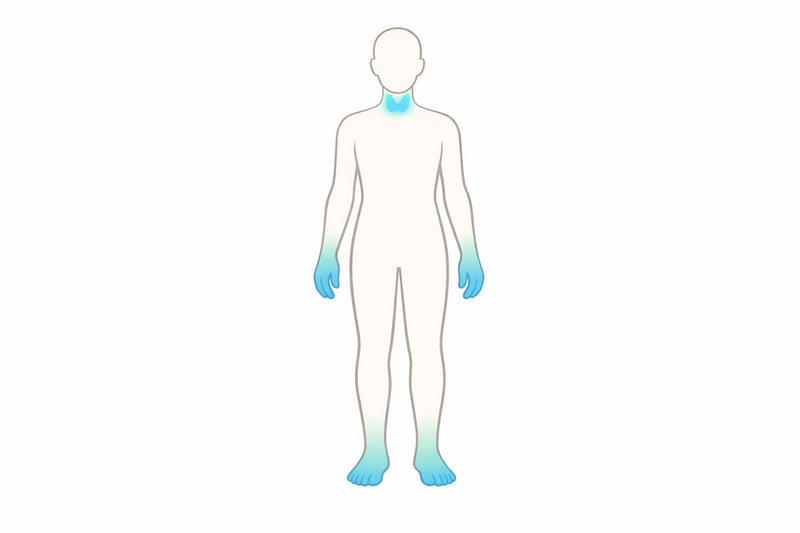
This article explores the most common reasons for feeling cold, when thyroid or circulation problems may be involved, and what steps are taken during a medical assessment. The goal is to provide clear and reassuring information to help you navigate this common concern.
Common harmless reasons for feeling cold
For many people, feeling cold is simply a normal variation and not a sign of illness. There are several everyday factors that can make you feel colder than those around you:
- Natural differences in body temperature: Some people naturally have a lower “set point” for body temperature, making them more sensitive to cold environments.
- Age: Older adults often feel colder because of changes in skin, blood vessels, and metabolism.
- Body composition: People with lower body fat or leaner builds tend to lose heat more quickly and may feel cold more easily.
- Hormonal fluctuations: Hormonal changes, particularly in women (such as during menstruation, menopause, or pregnancy), can affect how the body senses temperature.
- Diet and hydration: Not eating enough calories or being mildly dehydrated can make it harder for your body to generate heat.
- Medications: Some medications, including certain blood pressure drugs and antidepressants, may make you more sensitive to cold.
These factors are part of normal human variation and usually do not require medical investigation unless the cold sensitivity is severe, persistent, or accompanied by other symptoms.
When thyroid testing is advised
The thyroid is a small gland in your neck that produces hormones responsible for regulating metabolism and body temperature. Hypothyroidism (an underactive thyroid) is a common cause of feeling unusually cold. However, not everyone who feels cold has a thyroid disorder.
Thyroid testing may be advised if cold sensitivity is accompanied by other symptoms such as:
- Unexplained weight gain
- Fatigue or low energy
- Dry skin and hair
- Constipation
- Muscle weakness or aches
- Swelling in the neck (goitre)
- Slow heart rate
If you notice several of these symptoms together, especially if they develop gradually, a doctor may recommend a blood test to measure your thyroid hormone levels (usually TSH and sometimes free T4). Early identification and treatment of hypothyroidism can help restore normal temperature regulation and improve overall wellbeing.
Conversely, if you only feel cold occasionally and do not have other symptoms, thyroid testing is often not necessary. Your doctor will consider your full symptom picture before ordering tests.
Circulation-related causes
Another reason for feeling cold, especially in the hands and feet, is reduced blood flow. The circulatory system is responsible for delivering warm blood throughout the body. If circulation is impaired, certain areas may feel persistently cold.
Common circulation-related causes include:
- Raynaud’s phenomenon: This is a condition where small blood vessels in the fingers and toes temporarily spasm in response to cold or stress, causing them to become white, then blue, and finally red as circulation returns. The affected areas may feel very cold or numb during episodes.
- Peripheral arterial disease (PAD): This condition occurs when arteries supplying the limbs become narrowed, usually due to atherosclerosis. It is more common in older adults and those with risk factors such as smoking, diabetes, or high blood pressure. PAD typically causes coldness, pain, or cramping in the legs, especially during walking.
- Poor vein function: Problems with the veins, such as chronic venous insufficiency, can also affect how blood returns from the limbs, although this more often causes swelling and heaviness rather than cold.
Other factors, such as smoking, prolonged immobility, or certain medications, can also affect circulation. If you notice colour changes in your fingers or toes, pain, numbness, or wounds that are slow to heal, it is important to consult a healthcare professional.
Which exams doctors consider
If you are concerned about feeling cold, your doctor will start by taking a detailed history and performing a physical examination. The main aim is to determine whether your symptoms are likely to be caused by a medical condition or are part of normal variation.
Doctors may ask about:
- How long you have felt cold and whether it is getting worse
- Whether the cold affects your entire body or just certain areas (such as hands and feet)
- Other symptoms, such as fatigue, weight changes, skin or hair changes, or pain
- Your diet, lifestyle, and any recent changes in health
- Personal and family medical history
Based on this information, a doctor may recommend:
- Blood tests: These can check for thyroid function, anaemia (low red blood cell count), blood sugar levels, vitamin deficiencies, and markers of inflammation or infection.
- Blood pressure and pulse measurements: To assess circulation and heart function.
- Examination of hands and feet: Looking for colour changes, skin texture, and temperature differences.
- Specialist tests: If a specific condition is suspected, additional tests such as Doppler ultrasound (to check blood flow) or autoantibody tests (for autoimmune causes) may be considered.
Most people with mild cold sensitivity will not need extensive testing. Your doctor’s approach will be guided by your symptoms and risk factors.
What happens after evaluation
After your evaluation, the next steps depend on whether a medical cause for cold sensitivity is found:
- No underlying cause found: If your tests are normal and there are no concerning symptoms, your doctor may reassure you that feeling cold is a normal variation for you. Advice may include wearing appropriate clothing, staying active, and maintaining a healthy diet.
- Thyroid or hormonal disorder: If a thyroid problem or other hormonal imbalance is identified, your doctor will discuss treatment options. For hypothyroidism, this usually involves thyroid hormone replacement, which can improve symptoms over time.
- Circulation problem: If poor circulation is diagnosed, treatment will depend on the underlying cause. This may include lifestyle changes, medications, or, in rare cases, referral to a specialist. For Raynaud’s phenomenon, practical advice such as keeping hands warm and managing stress is often helpful.
- Other findings: If anaemia, diabetes, or another medical issue is discovered, your doctor will explain the next steps for management.
If you are interested in learning more about when thyroid testing might be appropriate for cold sensitivity or other symptoms, you can read our detailed guide on signs that suggest thyroid disorders and when to consider testing.
In all cases, it is important to follow your doctor’s advice and attend any recommended follow-up appointments. If new symptoms develop, such as severe fatigue, unexplained weight loss, persistent pain, or colour changes in your skin, seek medical attention promptly.
For many people, simply understanding that cold sensitivity is common and not always a sign of illness can be reassuring. However, if you are ever in doubt, do not hesitate to consult a healthcare professional for further guidance and peace of mind.


