
Noticing blood in your stool can be alarming and unsettling. While it is natural to feel worried, it is important to remember that there are many possible causes—some are minor, while others may require more urgent attention. Understanding what blood in stool looks like, the range of possible causes, and when to seek medical advice can help you make informed decisions about your health.
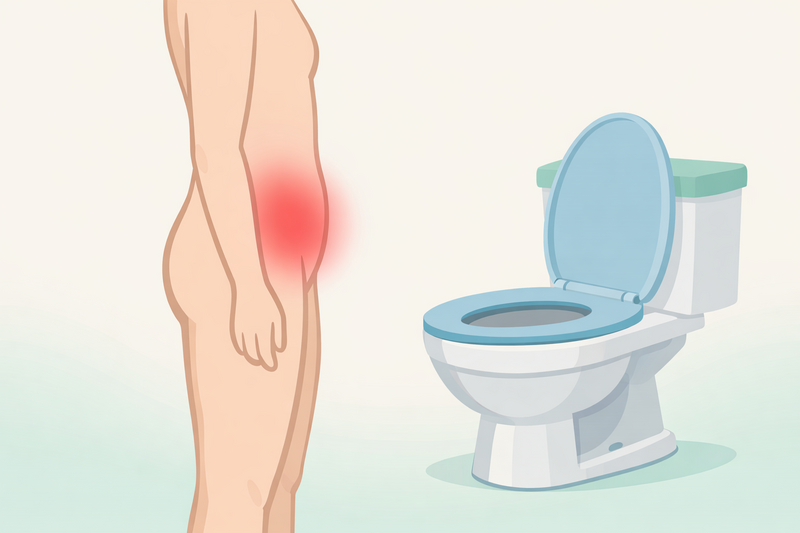
This article explains what to look for, highlights common and serious causes of blood in stool, and guides you on what to do next if you notice this symptom.
What blood in stool can look like
Blood in stool may appear in different ways, depending on its source, the amount present, and how long it has been in the digestive system. Recognising these differences can help you and your doctor better understand what might be happening.
- Bright red blood: This usually indicates bleeding from the lower part of the digestive tract, such as the rectum or anus. You may notice red streaks on toilet paper, drops of blood in the toilet, or red coating on the stool itself.
- Dark or maroon-coloured blood: This may suggest the bleeding comes from higher up in the colon or small intestine. The blood may mix with stool, giving it a dark, tarry, or maroon appearance.
- Black, tarry stool (melena): When blood has been digested as it passes through the digestive tract, it can turn stool black and sticky. This often points to bleeding from the stomach or upper intestine.
- Very small amounts: Sometimes, blood is only visible on toilet paper or as a slight tint in the water. In other cases, blood may be present in amounts too small to see with the naked eye, known as “occult” blood, which is often detected by special stool tests.
It is also worth noting that certain foods (like beetroot), medications, or supplements (such as iron) can change the colour of your stool, sometimes mimicking the appearance of blood.
Common causes (benign to serious)
There are many reasons why you might see blood in your stool, ranging from harmless to more serious conditions. Here is an overview, starting with the most common and benign causes:
- Haemorrhoids (piles): Swollen veins in the rectum or anus can bleed during bowel movements, often causing bright red blood. Haemorrhoids are very common and not usually dangerous, though they can be uncomfortable.
- Anal fissures: Small tears in the skin around the anus, often caused by passing hard or large stools, can lead to pain and bleeding, usually seen as red streaks on toilet paper.
- Gastrointestinal infections: Various infections affecting the gut may cause diarrhoea with blood, sometimes accompanied by cramps, fever, or urgency.
- Diverticular disease: Small pouches that form in the colon (diverticula) can sometimes bleed, leading to the passage of blood in stool.
- Inflammatory bowel disease (IBD): Conditions such as Crohn’s disease and ulcerative colitis cause inflammation and ulcers in the digestive tract, which may result in ongoing or intermittent bleeding.
- Polyps: These are growths on the inner lining of the colon or rectum. While usually benign, some polyps can bleed or eventually develop into cancer.
- Colorectal cancer: Cancer of the colon or rectum may cause blood in the stool, sometimes accompanied by changes in bowel habits, weight loss, or abdominal pain.
- Upper gastrointestinal bleeding: Bleeding from the stomach or upper intestine (for example, from stomach ulcers) can result in black, tarry stools.
- Other rare causes: Certain vascular conditions, medication side effects (such as blood thinners), or inherited bleeding disorders can also lead to blood in the stool.
It is important to remember that while many cases of blood in stool are due to minor and treatable conditions, sometimes it can be a sign of something more serious. This is why it is always best to speak to a healthcare professional for advice, especially if the symptom persists, recurs, or is associated with other worrying signs.
Red flags that need urgent evaluation
Some symptoms alongside blood in your stool may suggest a more serious underlying problem and should prompt you to seek medical attention quickly. You should see a doctor urgently if you experience:
- Large amounts of blood: Significant bleeding, especially if it leads to dizziness, weakness, or fainting, may be a medical emergency.
- Black, tarry stools: This can indicate bleeding higher up in the digestive tract, which may be serious.
- Persistent bleeding: If you notice blood in your stool on several occasions or over an extended period, even if the amount is small.
- Associated abdominal pain or cramping: Particularly if it is severe or does not improve.
- Unexplained weight loss or loss of appetite: Especially if combined with changes in your bowel habits.
- Change in bowel habits: Such as new constipation or diarrhoea, stools that are consistently narrower than usual, or a feeling that your bowel does not empty completely.
- Other symptoms: Such as fever, night sweats, or a general feeling of being unwell.
If you have a family history of bowel cancer or inflammatory bowel disease, you should mention this to your doctor. Do not delay seeking help if you are concerned about any of these symptoms, as early evaluation can make a significant difference in outcomes.
What information helps your doctor
When you see a healthcare professional about blood in your stool, it can be helpful to prepare some information in advance. This will help your doctor make an accurate assessment and decide on the best next steps.
- Appearance of the blood: Is it bright red, dark, or black? Is it on the toilet paper, mixed with the stool, or coating the stool?
- Amount and frequency: How much blood have you noticed, and how often have you seen it?
- Associated symptoms: Have you experienced pain, changes in bowel habits, weight loss, fever, or other symptoms?
- Recent changes: Any new medications, changes in diet, travel, or illnesses?
- Medical history: Any history of bowel problems, polyps, cancer, or family history of similar issues?
- Medications: Are you taking blood thinners or medications that may affect bleeding or your digestive tract?
Bringing this information with you or noting it down before your appointment can make your visit more productive and help your healthcare provider determine the best course of action.
What tests are commonly used
Your doctor may recommend several tests to help find the cause of blood in your stool. The choice of tests will depend on your age, symptoms, medical history, and physical examination. Common investigations include:
- Physical examination: Including a visual inspection and sometimes a digital rectal examination to check for haemorrhoids or fissures.
- Stool tests: These may detect hidden (occult) blood, infections, or signs of inflammation.
- Blood tests: To check for anaemia, infection, or markers of inflammation.
- Flexible sigmoidoscopy or colonoscopy: These procedures use a thin tube with a camera to look inside the lower or entire colon and rectum, allowing the doctor to find the source of bleeding and sometimes take tissue samples (biopsies).
- Upper gastrointestinal endoscopy: If bleeding from the stomach or upper gut is suspected, your doctor may recommend this test to examine the oesophagus, stomach, and duodenum.
- Imaging tests: In some cases, scans such as CT or MRI may be used to look for sources of bleeding or other abnormalities.
Many causes of blood in stool can be diagnosed or ruled out with these tests. Your doctor will discuss which investigations are appropriate for your individual situation and explain what to expect before, during, and after the tests.
If you are interested in learning more about the subtle warning signs of bowel conditions, you may find our guide on early colon cancer symptoms that are often overlooked helpful.
Remember: While blood in the stool can have many explanations—some minor, some more serious—it is always wise to seek medical advice if you are unsure or concerned. Early evaluation and diagnosis can lead to better outcomes and peace of mind. If you experience any of the red flag symptoms described above, seek prompt medical attention without delay.


