
Back pain is a very common complaint that affects people of all ages and backgrounds. Most adults will experience back pain at some point in their lives, often causing worry about its cause and whether further testing is needed. While it’s natural to want answers, medical imaging is not always the first or best step. Understanding when imaging is truly necessary can help you make informed decisions about your care and avoid unnecessary procedures.
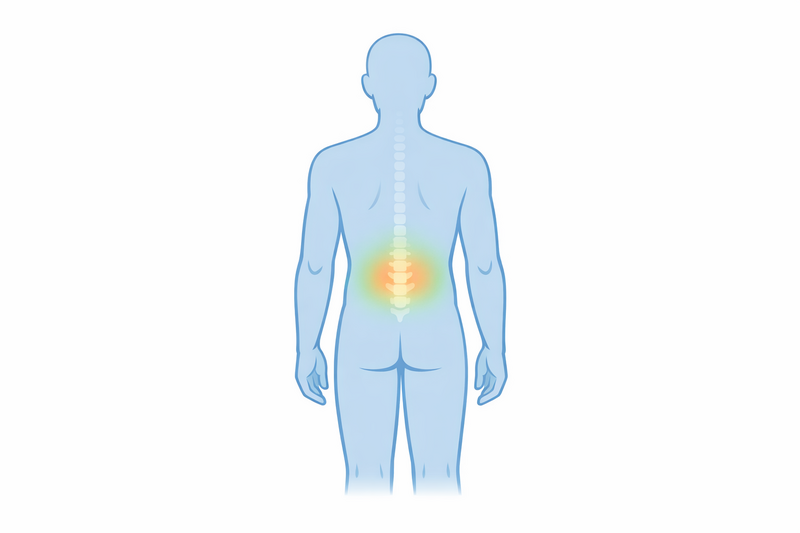
This article explains the common causes of back pain, highlights warning signs to watch for, discusses when imaging tests like X-rays and MRIs are genuinely helpful, and outlines the typical care pathway for people experiencing back pain.
Common causes
Back pain can stem from many different reasons, most of which are not serious and resolve on their own within a few weeks. Some of the most frequent causes include:
- Muscle or ligament strain: Overuse, heavy lifting, or awkward movements can lead to strained muscles or stretched ligaments.
- Poor posture: Sitting or standing in the wrong position for long periods can put stress on the back.
- Herniated or slipped disc: The discs between your vertebrae can bulge or rupture, sometimes pressing on nerves and causing pain.
- Age-related changes: Conditions like osteoarthritis or spinal stenosis (narrowing of the spinal canal) become more common as we get older.
- Inactivity: Lack of exercise can weaken the muscles that support your spine, making injuries more likely.
- Other causes: Less commonly, back pain can be linked to infections, kidney problems, or underlying medical conditions.
Most back pain is classified as “non-specific,” meaning no clear cause is found, but it is not dangerous. These types of back pain often improve with self-care and time.
Red flags
While most back pain is not worrisome, there are certain signs—often called “red flags”—that may suggest a more serious underlying problem. If you experience any of the following symptoms along with back pain, you should seek medical attention promptly:
- Severe trauma: For example, a fall from a height or a car accident.
- Unexplained weight loss: Losing weight without trying can be a sign of cancer or infection.
- History of cancer: If you have had cancer in the past, new back pain deserves careful evaluation.
- Fever or chills: These can suggest an infection in the spine.
- Loss of bowel or bladder control: This could indicate a serious nerve problem called cauda equina syndrome, which requires urgent treatment.
- Leg weakness or numbness: Especially if it is getting worse or involves both legs.
- Pain that does not improve: Persistent, worsening pain despite rest and self-care, especially if it is constant and not related to movement.
- Night pain: Pain that is worse at night or wakes you from sleep.
These red flags are rare, but important. If you notice any of them, contact your doctor or seek urgent care. Early evaluation may include imaging and other tests to rule out serious causes.
When imaging helps
Many people believe that having an X-ray, CT scan, or MRI will quickly reveal the cause of their back pain. However, medical guidelines recommend imaging only in specific situations. Here’s why:
- Most back pain improves on its own: Studies show that most acute (recent onset) back pain gets better without any special treatment or imaging within a few weeks.
- “Abnormalities” are common: Imaging often shows things like disc bulges or arthritis even in people without pain. These findings may not be the cause of your symptoms and can sometimes lead to unnecessary worry or procedures.
- Risks of unnecessary imaging: X-rays and CT scans expose you to radiation. Unnecessary tests may also lead to further procedures that are not needed.
Imaging is generally recommended if:
- You have “red flag” symptoms (see above) suggesting infection, cancer, fracture, or significant nerve involvement.
- Your pain has not improved after 4–6 weeks of appropriate treatment and is severe or getting worse.
- You are considering surgery or certain procedures and imaging is needed for planning.
In summary, imaging is helpful when the result will change your treatment or when a serious underlying cause is suspected. Otherwise, it is often best to wait and see if the pain improves with self-care.
Typical care pathway
If you visit your doctor with back pain, the evaluation usually follows a step-by-step approach:
- History and examination: Your doctor will ask about your symptoms, how the pain started, what makes it better or worse, and any medical history. They will perform a physical examination to check for nerve involvement or other concerning signs.
- Self-care advice: For most people, the first line of treatment includes staying active, gentle stretching, using heat or cold packs, and taking over-the-counter pain relief if needed. Bed rest is usually discouraged.
- Follow-up: Your doctor may arrange a review after a few weeks to check your progress. They will revisit the need for further testing if the pain is not improving.
- Physical therapy: If pain persists, you may be referred for physical therapy or exercises tailored to strengthen your back and improve flexibility.
- Specialist referral and imaging: If red flags or significant nerve symptoms develop, or if pain does not improve after several weeks, your doctor may refer you to a specialist and arrange imaging tests as appropriate.
In most cases, this structured approach helps identify those who need extra attention while avoiding unnecessary tests for the majority.
What to expect if imaging is needed
If your doctor decides that imaging is appropriate, the type of test will depend on your symptoms and suspected diagnosis:
- X-rays: Best for detecting fractures or significant bone problems.
- MRI scans: Useful for assessing nerves, discs, and soft tissues. Often used if nerve involvement or serious conditions are suspected.
- CT scans: Occasionally used if MRI is not possible or for certain bone conditions.
Your doctor will explain the reasons for any recommended imaging and discuss the results with you.
What if imaging does not show a clear cause?
It’s common for imaging to show age-related changes that may not be responsible for your symptoms. In these cases, your doctor will focus on managing the pain and improving function, rather than focusing on “abnormal” findings that may be harmless.
If you are interested in learning more about what happens during an MRI scan and what doctors look for in these images, you can read our detailed guide on the process at what to expect from an MRI scan for back pain.
Conclusion: Focus on functional recovery
Back pain is a frequent and often frustrating condition, but it is rarely caused by something serious. Most people improve with simple care and time, without the need for imaging. Understanding when imaging is truly necessary helps you avoid unnecessary tests and focus on what matters most: regaining your comfort, mobility, and quality of life.
If you are concerned about your back pain, or if you develop any red flag symptoms, do not hesitate to speak to a healthcare professional. They can guide you through the evaluation process and ensure you receive the right care at the right time.


