Nutrition is more than just the food on your plate—it’s the foundation of health and wellbeing at every stage of life. Making evidence-based dietary choices can help prevent many common health problems, support healthy growth, boost energy, and contribute to a longer, more vibrant life. With so many trends and opinions in the world of nutrition, it’s important to focus on practical, trustworthy guidance that enables small, healthy changes in everyday eating habits.
This page provides a structured overview of nutrition’s key aspects, from the essentials of balanced eating and hydration, to understanding specific foods and nutrients. Whether you’re looking to improve your daily meals, manage a diet for health reasons, or just make more informed choices at the supermarket, you’ll find actionable support and expert-reviewed guidance in the sections below.
Here are some fundamental points to help you get started with healthier nutrition:
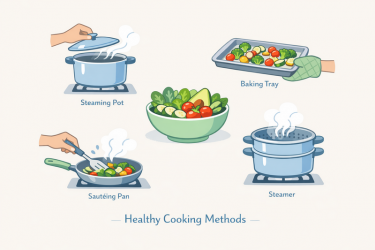
Understanding what makes up a balanced diet is a key step towards lasting health. It’s about more than just calorie counting; the types of foods you eat, the way you combine them, and even how you cook them matter when it comes to getting the nutrients you need. Exploring these basics can empower you to eat better every day.
Discover practical advice and in-depth guides on all aspects of balanced eating with these articles:
Choosing the right foods in your daily diet can make a big difference to your health. Some foods are nutritional powerhouses, while others may come with benefits and risks depending on how often and how much you eat them. Learning about the nutrition profiles of common foods can help you diversify your diet and make smarter choices.
Explore detailed breakdowns and myth-busting facts about popular foods below:
Micronutrients—vitamins and minerals required in small amounts—are just as essential as macronutrients like protein, fat, and carbohydrates. They help keep your energy levels stable, your bones strong, and your immune system resilient. Understanding key micronutrients and how to get enough of them can make your diet more balanced and support overall health.
Learn more about the importance of essential vitamins and minerals with these resources:
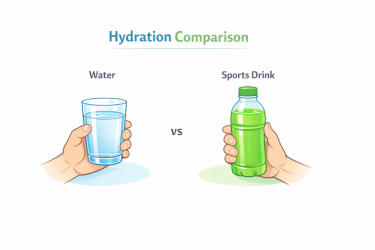
Staying properly hydrated is a cornerstone of good nutrition and overall health. Water and electrolyte balance impact energy, brain function, and physical performance. Everyday factors like age, climate, activity, and medical conditions influence your hydration needs. Knowing how much to drink and what types of fluids are best can help you stay at your healthiest.
Browse these articles to learn more about daily water needs and hydration balance:
The foods and nutrients we choose can have a lasting impact on our heart and blood vessels. Certain dietary patterns—such as limiting excessive salt, added sugars, and unhealthy fats—are linked with a lower risk of heart disease. It’s useful to look closer at how everyday foods may affect cholesterol, blood pressure, and heart health.
Dive deeper into heart-healthy nutrition choices and the science behind them:
Understanding the basics of nutrition—what to eat, how to read food labels, and how food choices affect your health—can empower you to make better decisions for yourself and your family. For personal dietary recommendations or if you have health concerns linked to nutrition, consider exploring the articles above or consult a qualified healthcare professional for tailored advice.
This section answers some of the most common questions about nutrition, from building a balanced diet to understanding hydration and key nutrients. If you want to explore any topic in more detail, you’ll find links to in-depth guides throughout.
A balanced diet includes a variety of foods in the right proportions to support your body’s energy, growth, and overall health. This typically means combining vegetables, fruits, whole grains, proteins, and healthy fats. If you’d like a practical breakdown, see our guide on what a balanced diet looks like in everyday life.
One of the most useful skills is learning how to read nutrition labels. They help you understand ingredients, portion sizes, and nutrient content so you can compare products more confidently. This practical guide to reading nutrition labels explains what to look for.
No — fats are an essential part of a healthy diet, but the type of fat matters. Unsaturated fats, such as those found in olive oil, nuts, and fish, can support heart health, while excessive saturated and trans fats may increase risk. Learn more about healthy fats and their benefits.
Hydration needs vary depending on factors like activity level, climate, and overall health, but many adults need around 1.5 to 2 litres of fluids per day. For a more detailed explanation, including common myths, see how much water you actually need daily.
Micronutrients are vitamins and minerals your body needs in small amounts to function properly. They play a key role in immunity, bone health, and energy metabolism. You can explore specific nutrients such as magnesium or vitamin D to understand their effects in more detail.
Yes, long-term eating patterns can influence cholesterol levels, blood pressure, and overall cardiovascular risk. Diets lower in added sugars and excess salt, and rich in whole foods, are generally beneficial. For example, you can read about how sugar intake affects health or when a low-salt diet is recommended.
Eggs contain cholesterol, but for most people, moderate consumption does not significantly increase heart disease risk. Individual responses can vary, especially if there are existing conditions. This article explains the evidence in more detail: are eggs really bad for cholesterol?
Protein can come from both animal and plant sources, including meat, fish, eggs, dairy, legumes, and nuts. The best choice depends on your dietary preferences and health goals. For a closer look at different approaches, see high-protein diets and who they are suitable for.
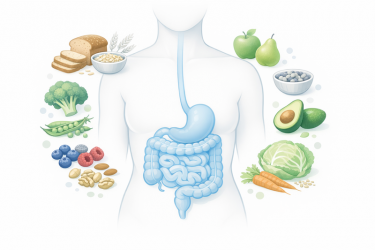
Dietary fibre plays a key role in digestive health by supporting gut function and regular bowel movements. Whole grains, fruits, vegetables, and legumes are excellent sources. Learn more about why fibre is essential and how to include it in your diet.
If you experience ongoing symptoms such as unexplained weight changes, fatigue, digestive issues, or signs of nutrient deficiencies, it may be helpful to speak with a healthcare professional. Nutrition-related concerns can sometimes be linked to underlying conditions, and personalised guidance can support safer, more effective changes.
Some non-English content on this site has been translated automatically using AI. Wherever possible, content is reviewed or provided directly by native speakers.
All rights reserved – Budvoyage Media Kft 2025