
Preparing food at home gives you control over what you eat, but the way you cook your meals can make a significant difference to your nutrition. Many people focus on the quality of ingredients, but cooking techniques also play a key role in the nutritional value of your meals. Understanding how different methods affect vitamins, minerals, and fat content can help you make healthier choices for yourself and your family.
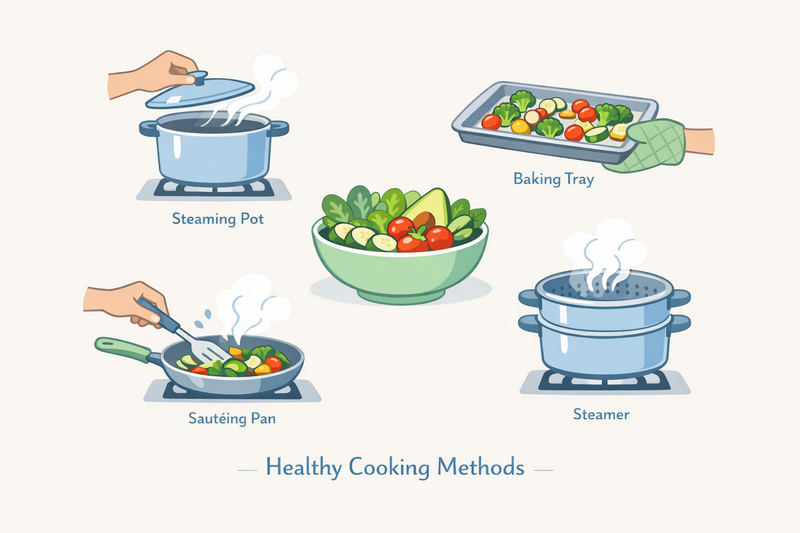
This article explains why cooking matters for nutrition, explores various healthy and less-healthy techniques, and offers practical tips for making the most of every meal.
Why cooking methods matter for nutrition
Cooking changes the texture and flavour of food, making it more enjoyable and often easier to digest. However, the process can also alter the nutrient content of your meals. Some vitamins and minerals are sensitive to heat, water, and air, and can be lost or reduced during cooking. Other nutrients, like certain antioxidants, may actually become more available when cooked.
For example, vitamin C is water-soluble and sensitive to heat, so it can be reduced significantly if vegetables are boiled for a long time. On the other hand, cooking tomatoes increases the amount of lycopene, a beneficial antioxidant, that your body can absorb.
- Nutrient loss: Vitamins like vitamin C and many B vitamins are sensitive to heat and water.
- Nutrient gain: Cooking can make some nutrients more accessible or destroy harmful bacteria.
- Fat content: Methods that require added fat can increase the overall calorie content of a meal.
Choosing the most suitable cooking technique for each ingredient helps maximise both the taste and the nutritional value of your food.
Common healthy cooking techniques
Some cooking methods are better than others for preserving nutrients and keeping meals light. Here are a few popular healthy techniques:
- Steaming: Cooking food with steam retains more vitamins and minerals, as the food is not immersed in water.
- Grilling: Using direct heat can add flavour without much added fat, but take care not to burn food, as this may create harmful compounds.
- Baking and roasting: These methods require little or no extra oil and are suitable for vegetables, fish, and lean meats.
- Stir-frying: Quick cooking over high heat with a small amount of healthy oil helps preserve colour, texture, and nutrients.
- Microwaving: Short cooking times and minimal water use mean microwaving can be a very nutrient-friendly method.
- Poaching: Gently cooking in simmering liquid is ideal for delicate foods like eggs or fish and does not require added fat.
Healthy cooking is not only about choosing the right technique, but also about balancing flavours and textures to make meals satisfying and enjoyable.
Methods that may reduce nutrient value
Some traditional cooking methods can lead to more significant nutrient losses or add unnecessary calories to meals. While these methods can still be enjoyed occasionally, it helps to use them wisely:
- Boiling: Prolonged boiling, especially for vegetables, leads to loss of water-soluble vitamins such as vitamin C and many B vitamins, as they leach into the water.
- Deep-frying: Foods absorb large amounts of oil, increasing calorie and fat content. High temperatures can also destroy some nutrients and create unhealthy compounds.
- Pan-frying: Although less extreme than deep-frying, pan-frying still adds extra fat and can result in nutrient loss if food is overcooked.
- Char-grilling or burning: Cooking food over very high heat until it is charred can form potentially harmful substances, such as acrylamide or polycyclic aromatic hydrocarbons (PAHs).
If you choose to use these methods, try to do so occasionally and balance them with healthier techniques throughout the week.
Choosing healthier oils and ingredients
The types of oils and ingredients you use in cooking can also influence how healthy your meals are. Not all fats are equal, and some can provide health benefits when used in moderation.
- Olive oil: Rich in monounsaturated fats and antioxidants, olive oil is a healthy choice for salad dressings, roasting, or light frying.
- Rapeseed (canola) oil: Contains healthy fats and a good balance of omega-3 and omega-6 fatty acids.
- Sunflower oil: Suitable for higher-temperature cooking, but use in moderation due to its higher omega-6 content.
- Butter and lard: High in saturated fat, best used sparingly.
- Coconut oil: While popular for flavour, it is high in saturated fat, so it should not be the main fat in your diet.
In addition to healthy oils, focus on fresh, unprocessed ingredients, whole grains, and plenty of vegetables to build a more nutritious diet overall.
Tips for preserving nutrients while cooking
There are several practical steps you can take to keep as many nutrients as possible in your meals:
- Use less water: Try steaming or microwaving vegetables instead of boiling them.
- Cook for shorter periods: The less time food spends exposed to heat, the more nutrients remain.
- Cut food into larger pieces: This reduces the surface area and helps retain vitamins.
- Keep skins on: Many nutrients are just under the skin of fruits and vegetables.
- Reuse cooking water: If you must boil vegetables, use the cooking water in soups and sauces to recover some nutrients.
- Store produce properly: Fresh food loses nutrients over time, so store it in a cool, dry place and use it promptly.
- Avoid overcooking: Lightly cooked or raw vegetables often provide more nutrients and interesting textures.
By making small adjustments to how you prepare food, you can significantly improve the dietary value of your meals.
Building healthier meals at home
Healthy cooking is not just about the method but also about meal composition and variety. Here are some strategies to help you create balanced, nourishing meals:
- Include a variety of vegetables: Aim to fill half your plate with different coloured vegetables for a broad range of nutrients.
- Choose whole grains: Swap white rice or bread for brown rice, wholemeal bread, or other whole grains to increase fibre and micronutrients.
- Limit processed foods: Ready meals and processed snacks often contain more salt, sugar, and unhealthy fats.
- Focus on lean proteins: Fish, poultry, beans, and lentils are good choices for healthy protein.
- Experiment with herbs and spices: These add flavour without extra salt or fat and may provide additional health benefits.
- Plan your meals: Preparing a shopping list and batch-cooking healthy meals can help you avoid last-minute unhealthy choices.
When you cook at home, you have the opportunity to experiment with new ingredients and methods, making healthy eating more enjoyable and sustainable. Remember, balance and variety are key. It’s fine to enjoy a fried treat or a creamy sauce occasionally, as long as most of your meals use healthier techniques and ingredients.
If you have specific dietary needs or health concerns, it’s a good idea to talk to a healthcare professional or a registered dietitian. They can offer personalised advice and help you design a meal plan that supports your health goals.
Understanding how to read nutrition labels can also empower you to make better choices when shopping for ingredients; you can find practical guidance in our article on how to interpret nutrition labels for healthier meal planning.
In summary, the way you prepare your food is just as important as what you put on your plate. By choosing healthy cooking methods, using quality ingredients, and paying attention to how you prepare your meals, you can make a positive impact on your nutrition and overall well-being.


