
Dietary fiber is a vital component of a healthy eating pattern, yet many people are unsure of its true importance. It goes far beyond simply keeping things “regular” — fiber plays a critical role in digestive health, supports heart function, and may even reduce the risk of certain diseases. Understanding what fiber is, where to find it, and how to safely increase your intake can make a significant difference to your wellbeing.
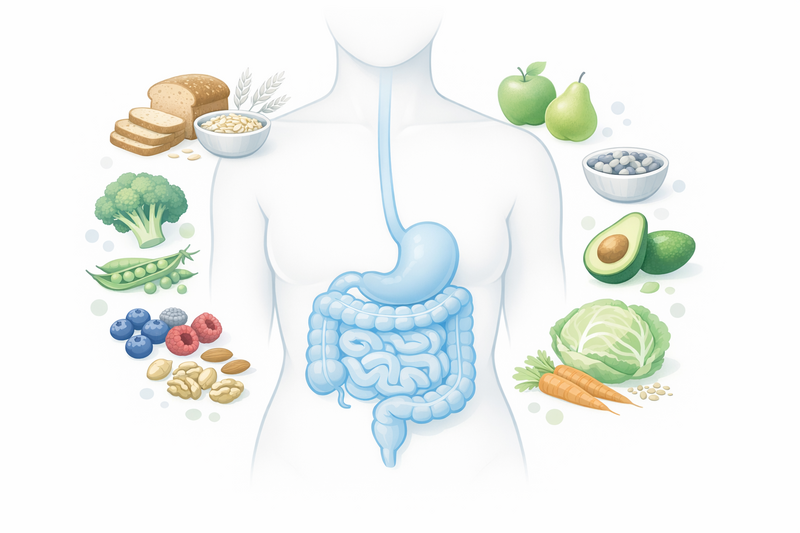
This article will guide you through the essentials of dietary fiber, its types and functions, the health benefits it offers, and practical tips to help you include more fiber in your daily diet.
What dietary fiber is
Dietary fiber is a type of carbohydrate found in plant foods that the human body cannot fully digest. Unlike other carbohydrates, such as sugars and starches, fiber passes largely intact through the stomach, small intestine, and colon. While it does not provide energy in the form of calories, its journey through the digestive system brings many health benefits.
Fiber is often described as “roughage” or “bulk.” It adds volume to the diet and helps keep the digestive tract functioning smoothly. There are two main categories of dietary fiber, each with distinct roles in the body, which will be covered in the next section.
Types of fiber and their functions
Dietary fiber comes in two primary forms: soluble and insoluble. Most plant-based foods contain a combination of both, but the proportion varies.
- Soluble fiber dissolves in water to form a gel-like substance. This type of fiber is found in oats, beans, lentils, apples, and citrus fruits. Soluble fiber slows digestion, helps regulate blood sugar, and can lower cholesterol levels.
- Insoluble fiber does not dissolve in water. It adds bulk to stool and helps food pass more quickly through the digestive system. Insoluble fiber is found in whole grains, nuts, seeds, and the skins of many fruits and vegetables.
Some foods are particularly rich in one type, but a varied diet typically provides both. The balance between soluble and insoluble fiber is important for optimal digestive health.
Health benefits for digestion and heart health
Including enough fiber in your diet supports several aspects of health, especially digestion and heart function.
Digestive health
- Promotes regularity: Insoluble fiber adds bulk to stool, which can help prevent constipation and encourage regular bowel movements.
- Supports gut bacteria: Some fibers act as prebiotics, feeding the beneficial bacteria in the large intestine. A healthy gut microbiome is associated with better digestion and immune function.
- May help with digestive conditions: Sufficient fiber intake can reduce the risk of diverticulosis and may help manage symptoms of irritable bowel syndrome (IBS) for some people. However, the type and amount of fiber recommended can vary for different digestive conditions, so it is important to consult your doctor if you have digestive concerns.
Heart health
- Cholesterol control: Soluble fiber binds to cholesterol in the digestive system, helping to reduce total and LDL (“bad”) cholesterol levels.
- Blood sugar regulation: By slowing the absorption of sugar, soluble fiber can help stabilise blood glucose, which is especially important for people with diabetes or those at risk of developing it.
- Lower risk of chronic disease: Diets high in fiber are associated with a reduced risk of heart disease, stroke, and certain types of cancer, particularly colorectal cancer.
In addition to digestive and heart health, fiber may also help with weight management by promoting a feeling of fullness after meals, which can help prevent overeating.
Foods high in fiber
There are many delicious and widely available foods that are naturally high in fiber. Including a variety of these in your meals can help you reach your daily goals and enjoy the benefits of a fiber-rich diet.
- Whole grains: Oats, brown rice, barley, whole wheat bread and pasta, bulgur, quinoa
- Legumes: Beans (such as kidney, black, and cannellini), lentils, chickpeas, peas
- Fruits: Apples, pears, oranges, berries, bananas, figs, prunes
- Vegetables: Carrots, broccoli, Brussels sprouts, artichokes, sweet potatoes, spinach
- Nuts and seeds: Almonds, walnuts, chia seeds, flaxseeds, sunflower seeds
Whenever possible, choose whole foods over processed ones, as processing often removes much of the natural fiber. For example, eating whole fruit provides more fiber than drinking fruit juice, and whole grain bread contains more fiber than white bread.
Recommended daily fiber intake
The amount of fiber you need depends on your age and sex. General recommendations for adults are:
- Women: About 25 grams per day
- Men: About 30–38 grams per day
Children and teenagers require less, but their needs increase as they grow. Pregnant and breastfeeding women may also need more fiber. It is best to get fiber from a variety of foods rather than relying on supplements, as whole foods provide additional nutrients and health benefits.
Most people in Europe and other Western countries consume less than the recommended amount of fiber. If you are unsure about your intake, try keeping a food diary or using a nutrition app to track your daily fiber consumption.
Increasing fiber safely
If you are not currently eating much fiber, it is important to increase your intake gradually. Sudden, large increases can cause bloating, gas, and abdominal discomfort as your digestive system adjusts.
- Start slowly: Add high-fiber foods to your diet over several days or weeks, rather than all at once.
- Drink plenty of fluids: Fiber absorbs water, so drinking enough fluids (especially water) helps keep your digestive system moving smoothly and prevents constipation.
- Balance your choices: Include both soluble and insoluble fiber for optimal benefits. For example, enjoy a bowl of porridge oats (soluble fiber) for breakfast and a salad with leafy greens (insoluble fiber) at lunch.
- Read food labels: Packaged foods often list fiber content per serving. Use this information to make higher-fiber choices when shopping.
If you have a digestive condition or concerns about adding more fiber to your diet, it is a good idea to seek advice from a healthcare professional or registered dietitian. They can help create a personalised plan that meets your needs.
Remember, fiber is just one part of a balanced diet. Pairing high-fiber foods with other healthy choices — such as lean proteins, healthy fats, and a variety of fruits and vegetables — supports overall wellbeing.
If you are interested in how common foods contribute to a balanced diet, you might find this nutritionist’s perspective on whether potatoes are fattening or healthy in the context of European diets helpful for making informed food choices.
In summary: Dietary fiber is essential for good digestive health and offers a range of benefits for the heart and beyond. By understanding the types of fiber, recognising high-fiber foods, and increasing your intake gradually, you can make lasting changes that support lifelong health.
If you have questions about your diet or need help getting started, consider speaking to a healthcare professional for guidance tailored to your individual needs.


