
Leafy green vegetables are a staple in healthy diets around the world, celebrated for their vibrant colour, versatility, and rich nutritional value. Whether you enjoy them raw, cooked, or blended into a smoothie, these greens offer a host of benefits that make them an essential part of everyday eating. Understanding their nutritional profile, health benefits, and the best ways to include them in your meals can help you make the most of these powerhouse plants.
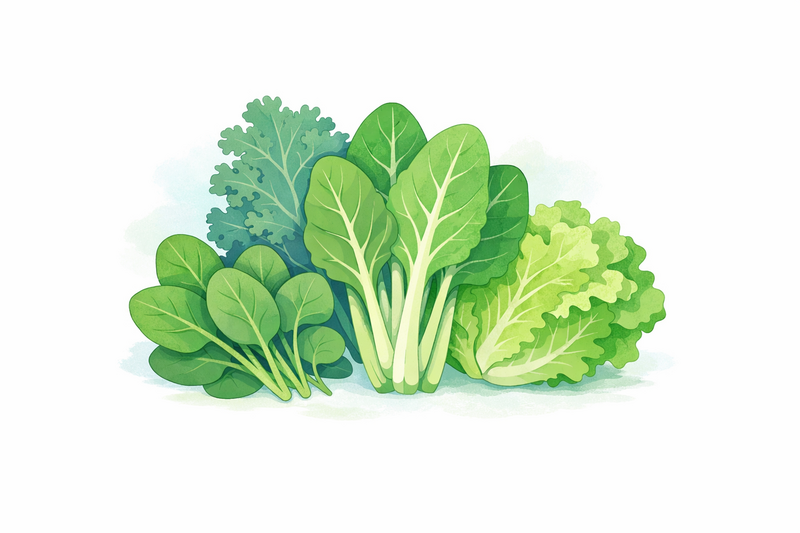
In this article, we will explore what makes leafy greens so beneficial, highlight popular varieties, and provide practical tips to help you eat more of them every day.
Nutritional profile of leafy greens
Leafy green vegetables are among the most nutrient-dense foods you can eat. This means they provide high levels of vitamins, minerals, and other beneficial compounds with relatively few calories. Most leafy greens are low in fat and carbohydrates, making them an excellent choice for a wide range of dietary needs.
- Low in calories: Most leafy greens contain fewer than 50 kcal per 100 grams, allowing you to eat generous portions without consuming excess energy.
- High in fibre: Greens are a good source of dietary fibre, which supports digestion and helps you feel full for longer.
- Water content: Many leafy greens are more than 90% water, aiding in hydration and providing volume without extra calories.
In addition to these basics, leafy greens are rich in plant compounds such as flavonoids, carotenoids, and chlorophyll, which may have antioxidant and anti-inflammatory effects. This unique combination of nutrients and bioactive compounds sets leafy greens apart as a foundation of a balanced, health-promoting diet.
Vitamins and minerals in green vegetables
Leafy green vegetables are packed with a variety of essential vitamins and minerals that support overall health. While the exact nutrient content varies between different greens, many provide generous amounts of the following:
- Vitamin K: Vital for blood clotting and bone health, leafy greens such as kale and spinach are among the best natural sources.
- Vitamin A: Provided in the form of beta-carotene, which is converted to vitamin A in the body and supports vision, immunity, and skin health.
- Folate (vitamin B9): Important for cell growth and especially crucial during pregnancy.
- Vitamin C: An antioxidant that supports the immune system, skin health, and helps the body absorb iron from plant-based foods.
- Calcium: Essential for bone health; some leafy greens like collard greens and kale are good sources, especially for those who avoid dairy.
- Iron: Necessary for making red blood cells. While the iron in leafy greens is not as easily absorbed as that from animal products, consuming them with vitamin C-rich foods can improve absorption.
- Magnesium and potassium: These minerals support muscle function, nerve signalling, and heart health.
By including a variety of leafy greens in your diet, you can benefit from a broad spectrum of nutrients that contribute to your wellbeing.
Health benefits of regular consumption
Eating leafy green vegetables regularly has been linked to a range of health benefits. Scientific research continues to uncover how greens may help protect against disease and support long-term health:
- Heart health: The fibre, antioxidants, and potassium found in leafy greens can help maintain healthy blood pressure and reduce cholesterol levels, both of which support cardiovascular health.
- Diabetes management: Leafy greens are low in carbohydrates and contain compounds that may improve insulin sensitivity, making them a wise choice for people with diabetes or those at risk.
- Weight management: Because they are low in calories but high in volume and fibre, leafy greens can help promote fullness and reduce overall calorie intake.
- Eye health: Nutrients such as lutein and zeaxanthin found in spinach and kale are associated with a reduced risk of age-related macular degeneration and other eye conditions.
- Bone health: Vitamin K and calcium in many leafy greens contribute to maintaining healthy bones and may help reduce the risk of fractures.
- Reduced risk of chronic disease: Diets rich in leafy greens may be linked with a lower risk of certain cancers and support healthy ageing due to their antioxidant content.
It is important to remember that while leafy greens are highly nutritious, they work best as part of an overall balanced diet rich in a variety of plant-based foods.
Popular leafy greens and their uses
There is a wide variety of leafy green vegetables available, each with its own unique flavour, texture, and culinary uses. Here are some of the most popular options:
- Spinach: Mild in flavour and soft in texture, spinach can be eaten raw in salads or cooked in dishes such as omelettes, soups, and pasta.
- Kale: More robust and slightly bitter, kale is excellent in salads, smoothies, or sautéed as a side dish.
- Swiss chard: With colourful stems and tender leaves, chard can be steamed, stir-fried, or used in soups.
- Rocket (arugula): Known for its peppery taste, rocket is often added to salads, pizzas, and sandwiches for extra flavour.
- Romaine lettuce: Crisp and mild, romaine is a favourite in salads and as a base for wraps.
- Collard greens: With sturdy leaves, collards are often cooked for longer periods and pair well with hearty dishes.
- Cabbage: Available as green or red varieties, cabbage is versatile and can be used raw in slaws, fermented as sauerkraut, or cooked in stews.
- Watercress: Slightly spicy and tender, watercress is delicious in salads and soups.
Experimenting with a range of greens can help keep your meals interesting and provide a wider array of nutrients.
Tips for preparing leafy vegetables
Proper preparation helps preserve the nutritional value and flavour of leafy greens. Here are some useful tips:
- Washing thoroughly: Always rinse leafy greens under cold running water to remove dirt, sand, or pesticide residues. For especially sandy greens, soak in a large bowl of water and swish gently.
- Drying: After washing, dry greens well with a salad spinner or clean kitchen towel. This prevents sogginess in salads and improves cooking results.
- Storing: Wrap greens in paper towels and store in a perforated plastic bag in the fridge to maintain freshness. Use within a few days for best quality.
- Cooking methods: Light cooking methods such as steaming, sautéing, or microwaving help retain nutrients. Avoid overcooking, which can cause greens to lose colour and nutritional value.
- Removing stems: For tougher varieties like kale or collards, remove the thick stems before eating. These can be saved for stocks or soups.
- Pairing with healthy fats: Many vitamins in leafy greens, such as vitamin A and K, are fat-soluble. Adding a small amount of olive oil or avocado can help your body absorb these nutrients.
With these preparation tips, you can enjoy the full flavour and health benefits of leafy vegetables.
Incorporating greens into daily meals
It can be easier than you think to eat more leafy greens every day. Here are some practical suggestions for adding them to your meals:
- Start with breakfast: Add spinach or kale to omelettes, scrambled eggs, or breakfast wraps.
- Boost your salads: Mix several types of greens and top with seeds, nuts, or a protein source for a hearty meal.
- Blend into smoothies: A handful of raw spinach or kale blends well into fruit smoothies without overpowering the flavour.
- Stir into soups and stews: Add chopped greens towards the end of cooking soups or stews for extra nutrients and colour.
- Use as a wrap: Large leaves such as lettuce or collards can replace tortillas for a lower-carbohydrate wrap option.
- Sauté as a side: Quickly cook greens with garlic and olive oil for a simple, nutritious side dish.
- Top your pizza: Add rocket or spinach as a fresh topping just before serving pizza.
Small changes, such as adding a handful of greens to your usual recipes, can add up over time and make a positive impact on your health. If you have specific dietary concerns or health conditions, a dietitian or healthcare professional can offer personalised guidance on the best choices for you.
For those interested in exploring the specific properties of individual leafy greens, you may find it helpful to read about the potential benefits and considerations of including parsley in your diet as part of a healthy lifestyle.
Leafy green vegetables are a delicious and versatile way to boost your nutrition. By understanding their benefits and finding enjoyable ways to prepare and eat them, you can make these nutrient-packed foods a regular and rewarding part of your daily meals.


