
Staying hydrated is essential for good health, especially if you are physically active or exercising regularly. When it comes to hydration, water is often the first option that comes to mind. However, sports drinks are widely available and marketed as superior hydration solutions for athletes and active individuals. This article compares water and sports drinks, exploring their differences, benefits, and potential risks, to help you make informed choices about your hydration.
Whether you are a seasoned athlete, a casual gym-goer, or simply looking to maintain your daily hydration, understanding the science behind these drinks can guide you towards better health decisions. Let’s look at how water and sports drinks work, when one might be better than the other, and what you should consider when choosing your drink.
Differences between water and sports drinks
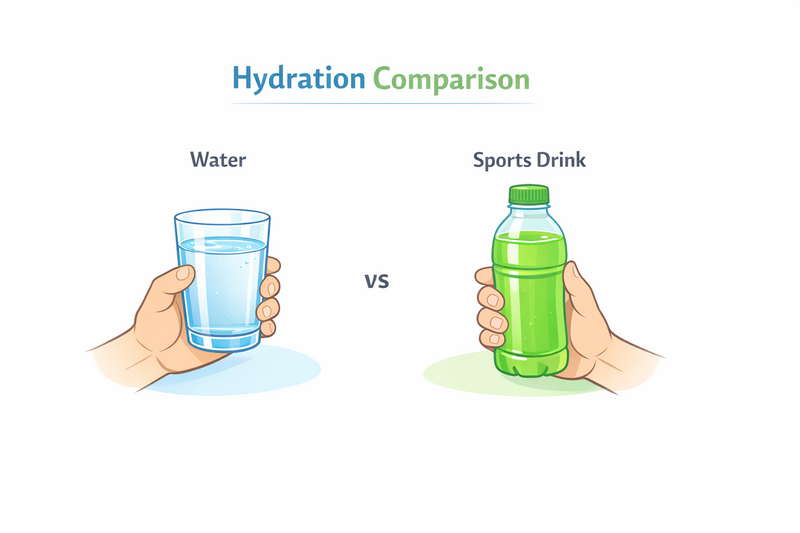
Water and sports drinks serve the same fundamental purpose: to keep you hydrated. However, their compositions and intended uses are quite different.
- Water is a natural zero-calorie drink that contains no added sugars, flavors, or electrolytes. It is essential for nearly every bodily function, including temperature regulation, joint lubrication, and waste removal.
- Sports drinks are beverages specifically designed for athletes and those engaging in vigorous physical activity. They contain water, but also include carbohydrates (like sugars) and electrolytes such as sodium, potassium, and sometimes magnesium or calcium.
The main differences can be summarised as follows:
- Electrolytes: Sports drinks contain added electrolytes to replace those lost through sweat during intense activity. Water does not contain significant electrolytes unless specifically fortified.
- Carbohydrates: Sports drinks provide sugars or other carbohydrates that can offer an energy boost during prolonged exercise. Water contains no energy-providing ingredients.
- Flavour: Many sports drinks are flavoured to make them more palatable, which can encourage higher fluid intake. Water is tasteless unless naturally mineralised or enhanced.
In summary, water is a basic hydrator suitable for most daily needs, while sports drinks are formulated to address specific needs during intense or prolonged physical exertion.
When sports drinks may be useful
Sports drinks are not necessary for most people’s daily hydration needs. However, they may be beneficial in certain situations:
- Prolonged exercise: During endurance activities lasting longer than 60–90 minutes (such as marathon running, long-distance cycling, or football matches), the body loses both fluids and electrolytes through sweat. Sports drinks can help replenish these losses and provide a quick source of energy.
- High-intensity training: Athletes participating in intense training sessions or competitions may benefit from the carbohydrate content in sports drinks, which can help maintain blood glucose levels and delay fatigue.
- Hot and humid conditions: When exercising in hot environments, sweat losses are higher, and replacing electrolytes becomes more important. Sports drinks may help prevent dehydration and muscle cramps in these conditions.
- Certain medical situations: For people recovering from illnesses that cause significant fluid loss (such as vomiting or diarrhea), oral rehydration solutions—which are similar to sports drinks but with different concentrations—may be advised by a healthcare professional.
For most routine physical activity, such as walking, light cycling, or casual gym workouts, water is typically sufficient to maintain hydration.
Sugar and calorie content of sports drinks
One of the main differences between water and sports drinks is the presence of added sugars and calories in the latter. While these can be beneficial during prolonged exercise, they may not be suitable for everyday consumption.
- Sugar content: Many sports drinks contain between 4–8 grams of sugar per 100 ml, which translates to 20–40 grams per typical 500 ml bottle. This can quickly add up, especially for those consuming sports drinks outside of exercise.
- Calorie content: The added sugars contribute to the calorie content, with a 500 ml sports drink typically providing 80–200 calories. For people who are not actively burning significant energy, these extra calories may contribute to weight gain over time.
- Dental health: Frequent consumption of sugary drinks, including sports drinks, can increase the risk of tooth decay, particularly if consumed outside of meal times.
Some sports drinks are marketed as “low sugar” or “zero calorie” options. These may use artificial sweeteners instead of sugar. While these variants reduce calorie intake, they may not provide the same rapid energy during endurance events, and their long-term health effects are still being studied.
For most people, especially children and adolescents, the high sugar content of standard sports drinks makes them unsuitable for regular use unless specifically needed for high-level athletic performance.
Hydration during exercise
The type and amount of fluid you need during exercise depends on several factors, including the intensity and duration of activity, environmental conditions, your sweat rate, and individual health needs.
- Short or moderate activity: For most activities lasting less than one hour, water is usually sufficient to replace lost fluids.
- Endurance or high-intensity exercise: For activities lasting longer than 60–90 minutes, or in hot and humid environments, a sports drink may help replace lost electrolytes and provide necessary carbohydrates to sustain performance.
- Personal sweat rate: People who sweat heavily or have particularly salty sweat may benefit from drinks containing electrolytes during extended exercise. However, this is rarely necessary for casual or recreational activity.
- Hydration guidelines: Aim to start exercise well hydrated. Drink small amounts regularly during activity, and rehydrate afterwards. Listen to your body’s thirst signals, but also be aware that during intense exercise, thirst alone may not fully reflect your fluid needs.
It is important not to over-hydrate, as excessive fluid intake can, in rare cases, lead to a dangerous condition known as hyponatremia (low blood sodium). Balance is key, and consulting with a sports nutritionist or healthcare professional can help tailor hydration strategies to your individual needs.
Risks of excessive sports drink consumption
While sports drinks can be helpful for specific situations, regular or excessive consumption carries potential risks, especially for those who are not engaged in high-intensity or prolonged exercise.
- Weight gain: High sugar and calorie intake from frequent sports drink consumption can lead to unwanted weight gain over time.
- Increased risk of chronic diseases: Diets high in added sugars have been linked to a higher risk of type 2 diabetes, cardiovascular disease, and metabolic syndrome.
- Dental problems: The acidity and sugar content of sports drinks can erode tooth enamel and increase the risk of cavities, particularly if sipped over extended periods.
- Electrolyte imbalance: Although rare, consuming large amounts of sports drinks without significant fluid loss (such as through sweat) may alter blood electrolyte levels and cause health problems.
- Unnecessary exposure for children: For children and adolescents who are not participating in prolonged, vigorous activity, sports drinks offer no advantage over water and may contribute to unhealthy dietary habits.
For most people, the risks of regular sports drink consumption outweigh the benefits unless the drinks are used specifically to support athletic performance in demanding conditions.
Choosing the right hydration option
When deciding between water and sports drinks, consider your activity level, health goals, and personal preferences. Here are some guidelines to help you choose wisely:
- For daily hydration and light activity: Water is the best choice. It is calorie-free, widely available, and meets the hydration needs of most people.
- For moderate exercise (less than 60 minutes): Water remains adequate for most people, even if you are sweating.
- For prolonged or intense exercise: If your activity lasts longer than an hour or involves heavy sweating, a sports drink may help replace lost fluids, electrolytes, and provide energy. Choose options with moderate sugar content and avoid unnecessary additives.
- For children and adolescents: Water is almost always sufficient. Sports drinks should only be used if recommended by a healthcare professional for specific athletic events.
- For those watching calorie or sugar intake: Stick with water or consider low-calorie electrolyte solutions if needed for specific situations.
Always read labels and be mindful of serving sizes, sugar content, and additives. If you have health conditions such as diabetes, kidney disease, or high blood pressure, consult your doctor before using sports drinks regularly.
If you are interested in learning more about how much water your body really needs each day and separating hydration facts from common myths, you may find our guide on daily water intake and hydration myths helpful.
In summary, while sports drinks have their place for certain high-intensity or prolonged activities, water is the healthiest and most effective hydrator for most daily needs. Making informed choices based on your lifestyle and health goals will help you stay properly hydrated and healthy.


