High-protein diets have become increasingly popular in recent years, with many people turning to them for weight loss, muscle building, or simply to improve their overall health. But what exactly does a high-protein diet involve, and is it suitable for everyone? In this article, we explore what high-protein diets are, the potential benefits and risks, who may benefit, and who should avoid them. We also provide guidance on how to achieve a balanced approach to protein consumption.
What high-protein diets are
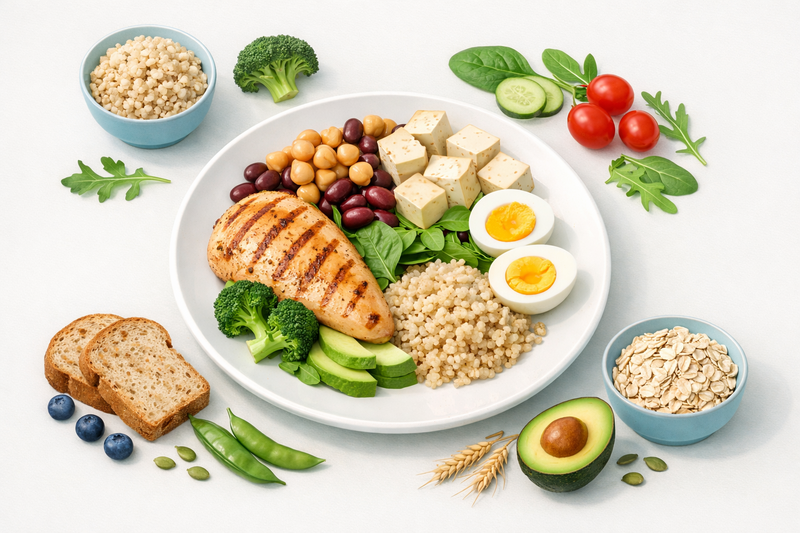
A high-protein diet is a way of eating that emphasises greater amounts of protein than generally recommended in standard dietary guidelines. For most adults, the recommended dietary allowance (RDA) for protein is about 0.8 grams per kilogram of body weight per day. High-protein diets often exceed this, sometimes providing 1.2 to 2.0 grams per kilogram or even more, depending on the specific plan or individual goal.
These diets commonly include foods such as:
- Lean meats (chicken, turkey, beef, pork)
- Fish and seafood
- Eggs
- Dairy products (milk, cheese, yoghurt)
- Legumes (beans, lentils, chickpeas)
- Nuts and seeds
- Protein supplements (powders, bars)
High-protein diets can vary in their approach. Some restrict carbohydrates or fats, while others focus mainly on increasing protein intake without strict limitations on other macronutrients. Popular examples include the ketogenic diet, Atkins diet, and certain weight-loss or muscle-building regimens.
Potential benefits of increased protein intake
Protein is an essential nutrient that plays a vital role in building and repairing tissues, supporting immune function, and producing enzymes and hormones. Increasing protein intake can offer several potential health benefits, especially for certain groups of people or during specific life stages.
- Weight management: Protein can help you feel fuller for longer, which may reduce overall calorie intake and support weight loss or maintenance. Some studies suggest it may help reduce cravings and late-night snacking.
- Muscle preservation and growth: Protein is crucial for repairing and building muscle tissue, especially during periods of increased physical activity or as we age and naturally lose muscle mass.
- Metabolic boost: Digesting protein requires more energy than digesting fats or carbohydrates, a phenomenon known as the “thermic effect of food.” This can slightly increase the number of calories burned each day.
- Blood sugar regulation: High-protein diets may help stabilise blood sugar levels by slowing the absorption of sugar from other foods, which can be beneficial for people with type 2 diabetes or prediabetes.
- Support during recovery: Illness, injury, or surgery increases the body’s protein needs, making higher protein intake important for healing and recovery.
It is important to note that the benefits of increased protein are most pronounced when combined with an overall balanced diet and regular physical activity.
Possible health risks of excessive protein
While protein is vital for health, consuming too much can have potential downsides, especially if maintained over a long period or in individuals with certain health conditions. Risks associated with excessive protein intake include:
- Kidney strain: High protein intake can increase the kidneys’ workload, particularly in people with pre-existing kidney conditions. For healthy individuals, moderate increases are typically safe, but very high levels may still pose a risk over time.
- Dehydration: The body produces more waste products when breaking down protein, which may increase the risk of dehydration if fluid intake is not also increased.
- Nutrient imbalances: Focusing too heavily on protein can lead to insufficient intake of other nutrients, especially if fruits, vegetables, whole grains, or healthy fats are limited.
- Digestive issues: Some people experience constipation or digestive discomfort on very high-protein diets, especially if fibre intake is reduced.
- Increased risk of certain diseases: Diets high in red and processed meats have been linked to higher risks of heart disease, certain cancers, and other health problems. Choosing healthier protein sources can help reduce these risks.
As with any significant dietary change, it is important to speak with a healthcare professional before starting a high-protein diet, particularly if you have underlying health concerns.
Who may benefit from high-protein diets
Increasing protein intake can be especially beneficial in certain situations or for specific groups of people. These include:
- Active individuals and athletes: Those who engage in regular strength or endurance training often require more protein to repair and build muscle tissue.
- Older adults: As we age, muscle mass naturally declines. Higher protein intake, alongside resistance exercise, can help preserve muscle and maintain strength and mobility.
- People aiming for weight loss: Higher protein can support fat loss by promoting satiety and preserving lean muscle during calorie restriction.
- During recovery: After surgery, illness, or injury, the body’s protein needs increase to support tissue repair and immune function.
- Pregnant and breastfeeding women: Protein needs are elevated during pregnancy and breastfeeding to support the growth and development of the baby, as well as the mother’s health.
However, the right amount of protein varies by individual, depending on age, health status, activity level, and specific goals. Consulting a doctor or registered dietitian can help determine the most appropriate intake for your needs.
Who should avoid them
High-protein diets are not suitable for everyone. Some individuals should avoid or approach them with particular caution, including:
- People with kidney disease: High-protein diets can worsen kidney function in those with chronic kidney disease or impaired kidney function. Even moderately increased protein may be harmful for these individuals.
- Individuals with certain metabolic disorders: Some rare inherited conditions, such as phenylketonuria (PKU), limit the body’s ability to process specific proteins and amino acids, requiring strict dietary management.
- Those with liver disease: The liver is involved in processing protein, and excessive intake may pose risks for individuals with severe liver impairment.
- Children and adolescents: While growing children need adequate protein, extremely high-protein diets may not be appropriate and can crowd out other essential nutrients.
- People at risk of heart disease: Some high-protein diets are heavy in red or processed meats, which have been linked to an increased risk of heart disease. Individuals with a family history or risk factors for heart disease should be especially cautious and prioritise healthier protein sources.
If you fall into any of these categories, or have concerns about your health, it is important to consult a healthcare professional before making significant changes to your protein intake.
Balanced protein consumption tips
For most people, protein can be enjoyed as part of a balanced diet without the need for extreme changes. Here are some tips for achieving a healthy protein intake:
- Choose a variety of protein sources: Include plant-based proteins (beans, lentils, nuts, seeds) as well as lean animal sources (fish, poultry, eggs, low-fat dairy).
- Limit processed meats: Reduce intake of processed meats such as sausages, bacon, and deli meats, which are associated with higher health risks.
- Watch portion sizes: Aim for a moderate amount of protein at each meal, such as a palm-sized portion of meat or fish, or a cup of beans or lentils.
- Balance with other nutrients: Ensure your diet includes plenty of vegetables, fruits, whole grains, and healthy fats for overall nutrition and health.
- Stay hydrated: Drink enough water, especially if you are increasing your protein intake, to help your kidneys process waste products.
- Adapt to your needs: Protein needs vary based on age, activity level, and health status. Speak to a healthcare professional for personalised advice.
Remember, there is no single “perfect” diet for everyone. The best approach is one that fits your personal preferences, lifestyle, and health needs, while ensuring you get all the nutrients your body requires.
For those looking to add more variety to their protein sources, you may find it helpful to explore the nutrition secrets and additional health benefits of chicken breast beyond just its protein content.
In summary, high-protein diets can offer benefits for certain groups and goals, but they are not suitable for all. Paying attention to your body’s needs, choosing a variety of protein sources, and maintaining overall balance are key to supporting long-term health. If you are considering a significant change to your diet, especially if you have health concerns or medical conditions, it is wise to consult a healthcare professional for advice tailored to your situation.


