
Electrolytes and hydration are two concepts that often come up in discussions about health, fitness, and overall wellbeing. While most people know that drinking enough water is important, fewer realise just how essential electrolytes are for the body’s daily functions. Understanding the relationship between hydration and electrolyte balance can help you make informed choices about your nutrition and lifestyle. In this article, we will explore what electrolytes are, why they matter, and how you can support your body’s natural balance through diet and habits.
This guide is designed for anyone interested in learning more about electrolytes, whether you are an athlete, someone who sweats a lot, or simply want to optimise your health. We will also discuss when you might need to pay extra attention to your electrolyte intake and how to recognise signs of imbalance.
What electrolytes are and their functions
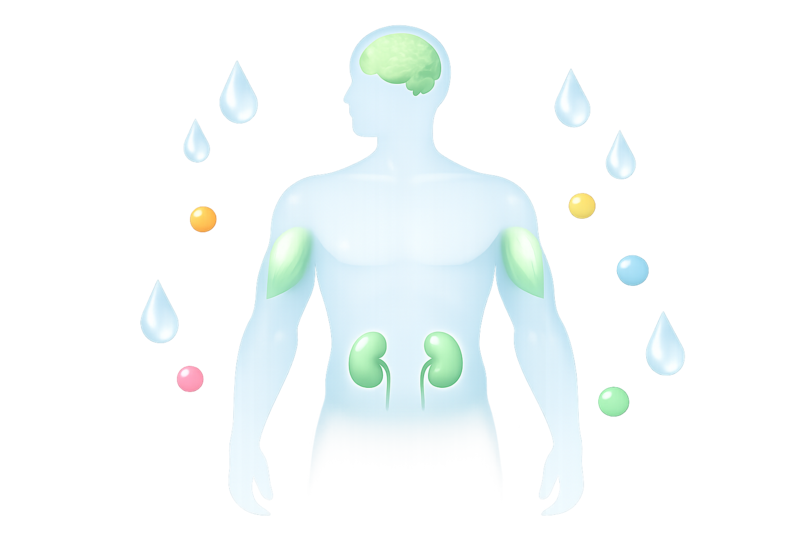
Electrolytes are minerals in your body that carry an electric charge. They dissolve in bodily fluids—such as blood, urine, and sweat—and play a major role in regulating many vital processes. The most common electrolytes include sodium, potassium, calcium, magnesium, chloride, phosphate, and bicarbonate.
These charged minerals are crucial for:
- Maintaining fluid balance: Electrolytes help regulate the movement of water in and out of your cells, ensuring that tissues stay hydrated and function properly.
- Supporting nerve function: The transmission of nerve impulses relies on the presence of electrolytes. They allow nerves to communicate with one another and with muscles.
- Muscle contraction: Muscles—including the heart—require precise electrolyte concentrations to contract and relax efficiently.
- Balancing pH levels: Electrolytes help keep your body’s acid-base balance within a healthy range.
- Regulating blood pressure: Certain electrolytes play a role in maintaining stable blood pressure.
In short, electrolytes are essential for almost every system in your body to work as it should.
Key electrolytes in the body
Each electrolyte has specific roles and sources. Understanding the main electrolytes can help you appreciate why balance is so important:
- Sodium: Often associated with salt, sodium is vital for fluid balance, nerve function, and muscle contraction.
- Potassium: This mineral helps regulate nerve signals, muscle activity, and heart rhythm. It also balances the effects of sodium.
- Calcium: Best known for its role in bone health, calcium also supports muscle contraction, nerve function, and blood clotting.
- Magnesium: Involved in hundreds of enzyme reactions, magnesium aids muscle and nerve function and supports a steady heartbeat.
- Chloride: Usually found alongside sodium, chloride helps maintain fluid balance and is a major component of stomach acid.
- Phosphate: Essential for energy production and bone formation, phosphate also helps regulate pH levels in the body.
- Bicarbonate: Mainly involved in maintaining the body’s acid-base (pH) balance.
These minerals work together as a team. If one becomes too high or too low, it can affect the function of others.
How hydration affects electrolyte balance
Hydration and electrolyte balance are closely intertwined. Water is needed to dissolve electrolytes and transport them throughout the body. When you drink fluids, you are not only replenishing water but also, in many cases, replacing lost electrolytes.
Dehydration occurs when you lose more fluids than you take in, often through sweat, urine, vomiting, or diarrhea. With fluid loss, you also lose electrolytes, especially sodium and potassium. On the other hand, drinking excessive amounts of water without sufficient electrolytes can dilute your body’s mineral levels, leading to imbalances.
In normal daily life, the kidneys regulate electrolyte and fluid levels, excreting any excess through urine. However, certain situations place extra demands on your system:
- Intense physical activity: Prolonged exercise, especially in heat, leads to significant losses of water and electrolytes via sweat.
- Illness: Vomiting, diarrhea, fever, or infections can deplete both fluids and electrolytes rapidly.
- Medications: Some medicines, such as diuretics, increase urine output and may affect electrolyte levels.
- Medical conditions: Kidney disease, hormonal disorders, and certain chronic illnesses can disrupt electrolyte balance.
Maintaining proper hydration and electrolyte levels is about balance. Your needs may change depending on your activity, environment, and health status.
Signs of electrolyte imbalance
Electrolyte imbalances can develop gradually or suddenly, depending on the cause. The symptoms vary based on which electrolyte is out of balance and whether the level is too high or too low.
Common signs and symptoms include:
- Muscle cramps, weakness, or twitching
- Fatigue or low energy
- Headaches
- Nausea or vomiting
- Irregular heartbeat or palpitations
- Confusion or difficulty concentrating
- Dizziness or lightheadedness
- Seizures (in severe cases)
If you experience any of these symptoms, particularly after heavy exercise, illness, or excessive sweating, it may be a sign that your electrolyte levels are off. Severe imbalances can be life-threatening and require urgent medical attention. If you suspect a serious problem, seek help from a healthcare professional right away.
Foods and drinks that provide electrolytes
The good news is that most people can maintain healthy electrolyte levels through a balanced diet and regular hydration. Many everyday foods and drinks are rich in electrolytes:
- Fruits: Bananas, oranges, melons, avocados, and kiwis are excellent sources of potassium and magnesium.
- Vegetables: Leafy greens (spinach, kale), potatoes, and tomatoes provide potassium, magnesium, and calcium.
- Dairy products: Milk, cheese, and yogurt are high in calcium and also contain potassium.
- Nuts and seeds: Almonds, sunflower seeds, and pumpkin seeds are good sources of magnesium.
- Seafood and meats: Fish and poultry provide potassium, sodium, and phosphorus.
- Salt: Table salt (sodium chloride) is the main source of sodium and chloride in most diets.
As for drinks, plain water is usually enough for everyday hydration. However, certain beverages can help replenish electrolytes:
- Coconut water: Naturally rich in potassium and contains some sodium and magnesium.
- Milk: Provides calcium, potassium, and magnesium.
- Electrolyte drinks: Specially formulated sports drinks can be useful after intense exercise or during illness, but check their sugar and sodium content.
Eating a varied diet with plenty of fruits, vegetables, and whole foods is the best way to support your electrolyte needs. Highly processed foods, which are often high in sodium but low in other minerals, should be consumed in moderation.
When electrolyte supplementation may help
Most people do not need to take electrolyte supplements in their everyday routine if they are eating a balanced diet and drinking enough fluids. However, there are situations where supplementation may be beneficial or even necessary:
- After prolonged or intense exercise: Endurance athletes, marathon runners, or anyone sweating heavily for hours may benefit from electrolyte drinks or supplements to replace what is lost.
- During hot weather: When temperatures rise and sweating increases, extra attention to both fluids and electrolytes can prevent dehydration.
- Following illness: If you have been unwell with vomiting or diarrhea, oral rehydration solutions containing electrolytes can aid recovery.
- Medical advice: Some people with specific health conditions—such as kidney disorders, adrenal gland problems, or those taking certain medications—may be advised by their doctor to adjust their electrolyte intake.
If you are considering electrolyte supplements, it is best to consult a healthcare professional. Excess intake, especially of sodium or potassium, can be harmful in some cases. Your doctor or pharmacist can help you determine if supplementation is needed and which products are suitable.
For more guidance on daily hydration habits and separating fact from common misconceptions, you may find it helpful to read our article on how much water you really need to drink daily.
In summary, maintaining a healthy balance of electrolytes and staying hydrated are essential for your body’s normal function. By being aware of your body’s needs and recognising the signs of imbalance, you can take steps to support your wellbeing every day. If you have concerns about your hydration or electrolyte levels, do not hesitate to seek advice from a healthcare professional.


