
Milk is a staple in many diets across Europe and around the world. But when faced with the choice between whole milk and skimmed milk, many people wonder: which is healthier? This question is particularly important for those concerned about heart health and overall nutrition. In this article, we will explore the key differences between whole and skimmed milk, how each type may impact your health, and how to make a choice that suits your needs.
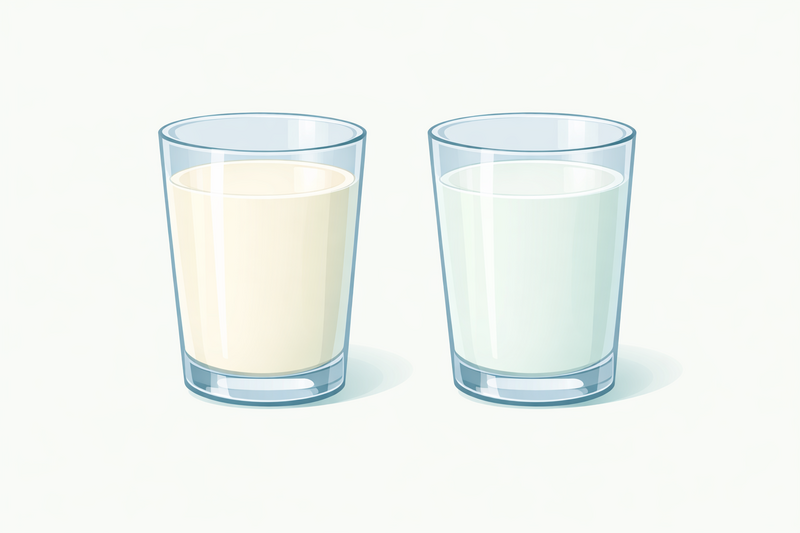
Understanding the nutritional profiles and health implications of different types of milk can help you make informed decisions, whether you are selecting milk for yourself or your family. Let’s take a closer look at the facts behind whole and skimmed milk.
Nutritional differences between whole and skimmed milk
The primary distinction between whole and skimmed milk lies in their fat content, but this also affects other nutrients. Whole milk is milk in its original form, with most of its fat left intact. Skimmed milk, also known as fat-free or non-fat milk, has nearly all of its fat removed during processing.
- Whole milk: Contains about 3.5–4% fat, providing a creamy texture and richer taste.
- Skimmed milk: Contains less than 0.5% fat, resulting in a lighter texture and flavour.
Besides fat, both types of milk contain similar amounts of protein, calcium, and many vitamins. However, the removal of fat in skimmed milk can affect the levels or absorption of certain fat-soluble vitamins, such as vitamin A and D. Some manufacturers fortify skimmed milk with these vitamins to compensate for their loss during processing.
Here’s a general nutritional comparison per 100 ml:
- Calories: Whole milk ~64 kcal, Skimmed milk ~34 kcal
- Fat: Whole milk ~3.6 g, Skimmed milk ~0.1 g
- Protein: Both ~3.3 g
- Calcium: Both ~120 mg
- Carbohydrate (mainly lactose): Both ~4.7 g
The main takeaway is that while the fat (and therefore calorie) content differs considerably, most other nutrients remain consistent between whole and skimmed milk.
Fat content and cardiovascular health
One of the main reasons people choose skimmed milk over whole milk is concern about saturated fat and its potential impact on heart health. Whole milk contains more saturated fat, which has traditionally been linked to higher cholesterol levels and increased risk of heart disease. Skimmed milk, with its minimal fat content, was therefore recommended for those wanting to reduce their intake of saturated fat.
However, recent research suggests the relationship between dairy fat and heart health may be more complex than previously thought. Some studies have found that moderate consumption of full-fat dairy products does not significantly increase the risk of heart disease for most people. In fact, certain components in milk fat, such as specific fatty acids, may even have a neutral or beneficial effect on heart health.
- For people with high cholesterol or cardiovascular disease risk: Choosing skimmed or semi-skimmed milk may still be advised by healthcare professionals.
- For healthy adults: Moderate consumption of whole milk is unlikely to pose a significant risk, especially as part of a balanced diet.
It is important to consider your individual health risks and consult your doctor or dietitian if you have concerns about dietary fat and heart health.
Protein, calcium, and vitamins in milk
Both whole and skimmed milk provide important nutrients for the body:
- Protein: Essential for muscle repair, growth, and overall body function. Both milk types offer similar protein content.
- Calcium: Crucial for strong bones and teeth. Skimmed and whole milk provide comparable amounts of calcium.
- Vitamins: Milk is a source of several B vitamins, including B12, as well as vitamin A and vitamin D. Fat-soluble vitamins (A and D) are naturally higher in whole milk, but many brands add these back into skimmed milk during processing.
For most people, both types of milk can help meet daily nutritional needs, especially for calcium and protein. The differences in vitamin content tend to be minor if the skimmed milk is fortified, as is common in many European countries.
Absorption of fat-soluble vitamins
Fat-soluble vitamins are best absorbed when consumed with dietary fat. Therefore, the natural fat in whole milk may slightly enhance absorption of vitamins A and D. If you rely on skimmed milk, pairing it with other sources of healthy fat (such as a small amount of olive oil or nuts in your meal) can help your body make the most of these nutrients.
Which milk type is best for different people
The choice between whole and skimmed milk often depends on individual health status, dietary requirements, and personal preferences. Here’s how milk choice may vary for different groups:
- Children: Young children (under 2 years) are generally recommended to have whole milk, as the fat is important for growth and brain development. After age 2, semi-skimmed or skimmed milk may be suitable if the child is eating a balanced diet.
- Older adults: Both types provide calcium and protein needed to maintain bone health. For those with low appetite or at risk of undernutrition, whole milk may be preferred for its higher calorie content.
- People with heart disease or high cholesterol: Skimmed or semi-skimmed milk may be recommended to help lower saturated fat intake.
- Active individuals and athletes: Both types are suitable, but whole milk provides more energy, which may be beneficial for those with high calorie needs.
- Those seeking to manage weight: Skimmed milk is lower in calories and fat, making it a popular choice for calorie-controlled diets.
Ultimately, the best milk for you is the one that fits your nutritional needs, health goals, and taste preferences. If you have specific medical conditions or dietary restrictions, consult a healthcare professional for personalised advice.
Milk choices for weight management
When it comes to managing weight, calorie intake plays a key role. Skimmed milk contains fewer calories and less fat than whole milk, which can help reduce overall calorie consumption if you drink milk regularly.
- Whole milk: Higher in calories, which may contribute to weight gain if consumed in excess.
- Skimmed milk: Lower in calories, making it a common choice for those watching their weight.
However, research suggests that full-fat dairy does not necessarily lead to weight gain when consumed in moderation as part of a balanced diet. Some people find that whole milk is more satisfying and helps them feel fuller, which may prevent overeating later on.
It is important to look at your total diet and lifestyle rather than focusing on one single food. If you are trying to lose or maintain weight, consider the following tips:
- Monitor portion sizes of all foods, including milk
- Choose milk types that fit your calorie and nutrient needs
- Include a variety of nutrient-rich foods in your diet
- Stay active and maintain regular physical activity
How milk fits into a balanced diet
Milk, whether whole or skimmed, can be part of a healthy, balanced diet. It provides high-quality protein, calcium, and essential vitamins. Here are some ways to include milk in your diet:
- Add milk to breakfast cereals or porridge
- Use milk in smoothies or hot drinks
- Include milk in cooking, such as in soups or sauces
- Enjoy milk-based desserts in moderation
If you are lactose intolerant or follow a plant-based diet, there are many fortified non-dairy alternatives available, such as soy, oat, or almond drinks. These can also provide calcium and vitamins when chosen carefully.
Remember, balance and moderation are key. Both whole and skimmed milk have a place in a healthy diet. The best choice depends on your individual health needs, preferences, and overall dietary pattern.
If you have questions about dairy or your personal nutrition, consider speaking with a registered dietitian or healthcare professional. They can help you make choices that support your heart health, weight goals, and overall wellbeing.
If you are also curious about how semi-skimmed milk compares in terms of health benefits and potential drawbacks, you can read more in this overview of what nutritionists say about semi-skimmed milk and its role in a balanced diet.


