Sodium is a mineral found in many of the foods we eat every day. It plays an important role in keeping our bodies functioning properly, but too much can have serious effects on your health—especially for your heart. Understanding how sodium affects your body, how much you should have, and where it often hides in your diet can help you make better choices and protect your long-term health.
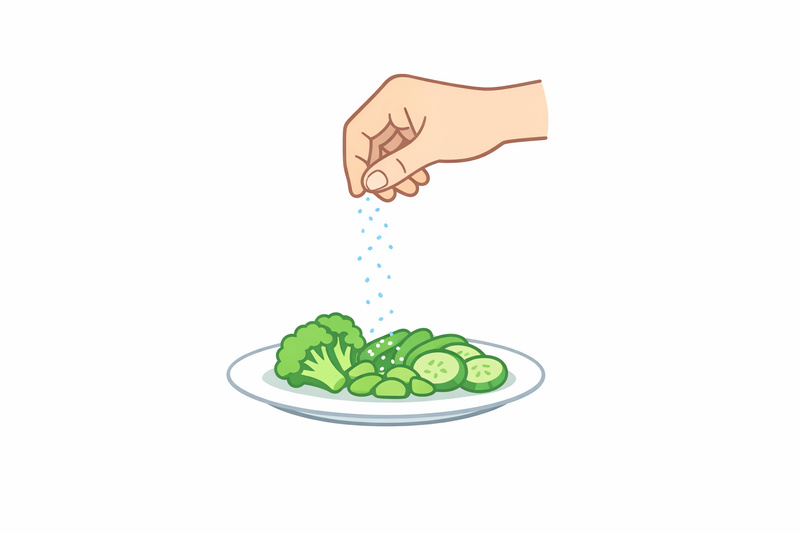
Many people are surprised to learn just how much salt is in the foods they eat, even when they aren’t reaching for the salt shaker. This article explains why sodium matters, the risks of consuming too much, and practical steps you can take to manage your intake.
Why sodium is important for the body
Sodium is an essential mineral that helps regulate several vital processes in the body. It is most commonly found in the form of sodium chloride, better known as table salt. While it often gets a bad reputation, sodium is important for your body to function normally.
- Fluid balance: Sodium helps maintain the right balance of fluids in and around your cells.
- Muscle function: It is crucial for muscle contraction, including the beating of your heart.
- Nerve transmission: Sodium plays a key role in sending nerve impulses throughout the body.
- Blood pressure regulation: It helps control blood pressure by influencing the amount of fluid in your blood vessels.
Without enough sodium, you could experience symptoms such as muscle cramps, fatigue, confusion, or even more severe problems. However, most people get more than enough sodium from their diet—often too much.
How too much salt affects heart health
Although your body needs some sodium to function, consuming too much can be harmful, particularly for your heart and blood vessels. The main concern with high sodium intake is its strong link to high blood pressure (hypertension).
Why does sodium raise blood pressure?
When you eat too much salt, your body holds onto extra water to dilute the excess sodium in your bloodstream. This increases the volume of blood inside your blood vessels, which puts more pressure on the walls of the arteries. Over time, this added pressure can strain your heart and damage your blood vessels.
Risks associated with high sodium intake
- High blood pressure: The leading risk factor for heart disease and stroke.
- Heart disease: Increased sodium can contribute to the hardening and thickening of arteries.
- Stroke: High blood pressure caused by excess sodium increases the risk of stroke.
- Kidney disease: The kidneys help control sodium balance, but too much salt can damage them over time.
The effects may not be noticeable right away, but the long-term impact of eating too much salt can be significant. Even if you do not have high blood pressure now, reducing your sodium intake can help prevent problems in the future.
Recommended daily sodium intake
It can be difficult to know exactly how much sodium you are consuming, but health organisations have clear recommendations to help you stay within a healthy range. Most people in Europe and worldwide consume far more sodium than is recommended.
- Adults: Most guidelines suggest limiting sodium to no more than 2,000–2,300 milligrams (mg) per day. This is equal to about one teaspoon of table salt.
- Children: Recommended limits are even lower and depend on age, generally ranging from 1,000–2,000 mg per day.
- People with high blood pressure or heart disease: Your doctor may advise you to aim for the lower end of the range, or even less.
It’s important to note that sodium is not just found in the salt you add at the table or in cooking. In fact, the majority of sodium in most diets comes from processed and packaged foods.
Hidden sources of sodium in food
Many people think of salt as something they sprinkle on their food, but most dietary sodium is already present in the foods you buy. Some sources are obvious, while others may surprise you.
Common high-sodium foods
- Bread and baked goods: Even foods that do not taste salty, like bread, can contain significant amounts of sodium.
- Processed meats: Ham, bacon, sausages, and deli meats are often high in sodium used for preservation and flavour.
- Cheese: Many cheeses, especially hard and processed varieties, are high in salt.
- Canned soups and vegetables: Salt is often used as a preservative in canned foods.
- Ready meals and fast food: Convenience foods can be especially high in sodium.
- Salty snacks: Crisps, salted nuts, and savoury biscuits add extra sodium to your diet.
- Sauces and condiments: Soy sauce, ketchup, salad dressings, and stock cubes are all major sources.
Reading food labels
To spot hidden sodium, check the nutrition label for sodium or salt content. Labels may list either sodium or salt, so it’s important to know the difference:
- To convert sodium to salt, multiply the sodium amount by 2.5.
- For example, 1 gram of sodium equals 2.5 grams of salt.
Look for foods labelled “low sodium” or “no added salt” when possible, especially if you are trying to reduce your intake.
Tips for reducing salt consumption
Cutting down on sodium does not mean you have to sacrifice flavour. There are many practical steps you can take to reduce your salt intake while still enjoying your meals.
- Cook more at home: Preparing food yourself allows you to control how much salt goes into your meals.
- Choose fresh ingredients: Fresh fruit, vegetables, and unprocessed meats naturally contain less sodium than processed alternatives.
- Use herbs and spices: Flavour your dishes with herbs, spices, lemon juice, or vinegar instead of salt.
- Limit processed foods: Try to reduce your intake of ready meals, canned goods, and packaged snacks.
- Rinse canned foods: If you use canned beans or vegetables, rinsing them can help remove some of the sodium.
- Read food labels: Compare similar products and choose those with lower sodium content.
- Gradually reduce salt: Your taste buds can adjust over time to less salt, making it easier to maintain lower sodium habits.
- Be mindful of condiments: Use sauces, dressings, and spreads sparingly, or look for low-sodium versions.
Even small changes can add up and make a big difference to your overall health.
When to consult a doctor about sodium intake
Most people can manage their sodium intake through simple dietary choices, but there are some situations when talking to a healthcare professional is especially important.
- If you have high blood pressure: Your doctor can provide personalised advice on how much sodium is safe for you.
- Existing heart or kidney conditions: People with heart failure, chronic kidney disease, or other related conditions may need stricter sodium limits.
- Unexplained swelling or fluid retention: This could be a sign that your body is holding onto too much sodium and water.
- Special diets: If you are on a diet that restricts certain foods, a healthcare provider can help ensure you are getting the right balance of nutrients.
- Medication interactions: Some medicines can affect your body’s sodium balance; your doctor can guide you if you are concerned.
If you are unsure whether your sodium intake is healthy, or if you have symptoms such as persistent headaches, swelling, or difficulty breathing, do not hesitate to seek medical advice. A healthcare professional can help you understand your personal risk factors and recommend appropriate steps.
An area that often raises questions is the choice between whole milk and skimmed milk, as both can play different roles in a balanced diet; you can learn more about their nutritional differences and which might suit your health needs by reading our guide on the health benefits of whole milk versus skimmed milk.
Managing your sodium intake is an important part of maintaining heart health and overall wellbeing. By being aware of where sodium hides in your diet and making a few simple changes, you can significantly reduce your risk of heart disease and related problems. Remember, it’s not just about removing the salt shaker from the table—it’s about making informed choices every day.


