
Most wounds heal naturally, closing up and repairing themselves within a few days or weeks. But sometimes, a cut, ulcer, or sore seems to linger much longer than expected. If you or a loved one notice a wound that just won’t heal, it can be worrying and frustrating. Understanding why wounds heal slowly and how doctors approach these cases can help you know what to expect and when to seek help.
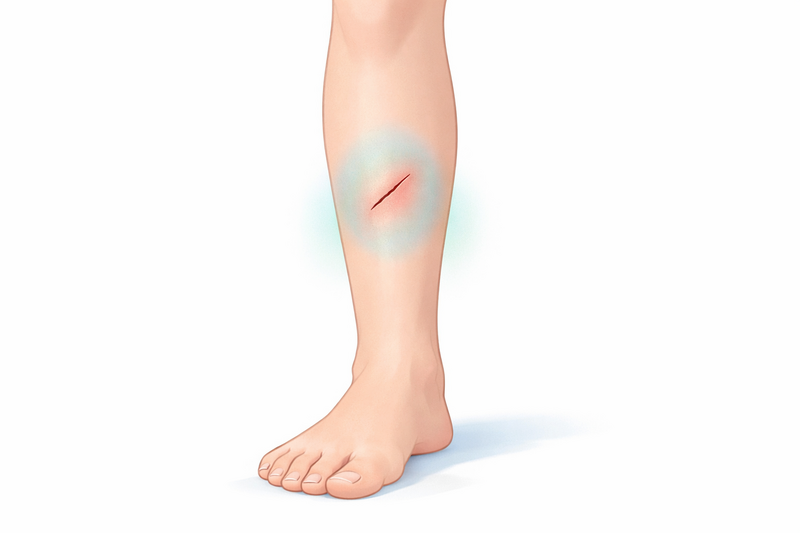
In this article, we’ll explore the common reasons for slow-healing wounds, the role of conditions like diabetes and poor circulation, what tests doctors may order, when specialist care is needed, and how long-term wound healing is managed. If you’re dealing with a stubborn wound, this information may help you feel more informed and empowered as you discuss options with your healthcare provider.
Common reasons wounds heal slowly
Many factors can influence how quickly a wound heals. While some are related to the wound itself, others are connected to a person’s overall health. Here are some of the most common reasons wounds take longer to heal:
- Infection: If bacteria enter a wound, healing slows down as the body tries to fight off the infection. Signs of infection include redness, swelling, pus, and increased pain.
- Poor blood supply: Blood carries oxygen and nutrients needed for healing. If circulation is reduced, wounds may heal more slowly.
- Repeated trauma: If a wound keeps getting bumped or irritated, it may not have a chance to heal properly.
- Underlying health conditions: Diseases like diabetes, immune disorders, or vascular problems can impair the body’s ability to repair itself.
- Medications: Certain medications, such as steroids or chemotherapy, can interfere with healing by suppressing the immune system or affecting tissue repair.
- Poor nutrition: The body needs adequate protein, vitamins, and minerals to heal wounds. Malnutrition can slow recovery.
- Age: Healing naturally slows as we get older, partly due to changes in skin and circulation.
- Smoking: Tobacco use can restrict blood vessels and reduce oxygen to healing tissues.
Often, slow healing is due to a combination of factors. That’s why doctors look at the whole person—not just the wound—when trying to find the cause.
Diabetes and circulation factors
Two of the most common underlying reasons for slow-healing wounds are diabetes and problems with circulation. Both can have a significant impact on how the body repairs tissues.
Diabetes and wound healing
People with diabetes are more likely to experience wounds that heal slowly, especially on the feet and lower legs. High blood sugar levels can damage nerves (leading to a lack of sensation) and blood vessels (reducing blood flow), both of which are crucial for healing.
- Diabetic neuropathy (nerve damage) means injuries may go unnoticed and untreated.
- Poor circulation in diabetes reduces the supply of oxygen and nutrients to wounds.
- Diabetes can weaken the immune system, increasing the risk of infection.
For these reasons, people with diabetes are encouraged to check their skin regularly, especially their feet, and to see a doctor if any wounds appear.
Circulation problems
Good blood flow is essential for wound healing. Conditions that reduce circulation can therefore lead to chronic or non-healing wounds. These include:
- Peripheral artery disease (PAD): Narrowed arteries reduce blood flow to the limbs, making it harder for wounds to heal.
- Chronic venous insufficiency: Damaged veins in the legs can cause blood to pool, leading to swelling and skin changes that interfere with healing.
- Heart failure: In severe cases, the heart may not pump enough blood to support healing tissues.
Doctors often check for these conditions in patients with wounds that are slow to heal, especially if they occur on the legs or feet.
Which tests doctors may order
If a wound is not healing as expected, a doctor will usually start with a thorough examination and medical history. They may then recommend tests to look for underlying problems. Some of the most common tests include:
- Blood sugar tests: To check for diabetes or monitor blood sugar control.
- Blood tests: To assess overall health, nutrition status, signs of infection, and immune function.
- Swab or tissue sample: To identify any bacteria or fungi causing infection, and to guide antibiotic treatment.
- Ankle-brachial index (ABI): A simple test comparing blood pressure at the ankle and arm, used to screen for peripheral artery disease.
- Doppler ultrasound: To visualize blood flow in arteries and veins of the legs.
- X-rays or MRI scans: If there’s concern the infection may have reached bone or deeper tissues.
Not all patients need all these tests. The choice depends on the location of the wound, the person’s medical history, and the doctor’s findings during the examination.
When specialist care is needed
Some slow-healing wounds can be managed by a general practitioner or nurse, while others may require specialist attention. Doctors may refer patients to a dermatologist, vascular surgeon, diabetologist, or a dedicated wound care clinic in certain situations, such as:
- The wound has not improved after several weeks of care.
- There is a deep or large wound, or one exposing tendons, muscles, or bone.
- Signs of spreading infection (such as fever, redness extending away from the wound) are present.
- The wound is due to pressure (pressure ulcers/bedsores), diabetes, or poor blood supply.
- The patient has complex health conditions affecting healing (e.g., immunosuppression, severe vascular disease).
Specialist teams can offer advanced treatments, such as wound debridement (removing dead tissue), skin grafts, or therapies to improve blood flow. They may also coordinate care with other doctors, such as endocrinologists for diabetes management or physiotherapists for mobility support.
How doctors manage long-term healing
Managing wounds that heal slowly can be challenging, but doctors use a combination of strategies tailored to each patient’s needs. The main goals are to promote healing, prevent infection, and address any underlying causes.
Key elements of wound management
- Cleaning and dressing the wound: Regular wound cleaning (often with saline) and appropriate dressings help protect the area and create the best environment for healing.
- Treating infection: If there is evidence of infection, doctors may prescribe antibiotics or antifungal medications, based on test results.
- Improving blood flow: For wounds caused by poor circulation, doctors may recommend procedures, medication, or lifestyle changes to improve blood supply.
- Managing underlying health conditions: Good control of diabetes, heart disease, and other chronic conditions is essential to support healing.
- Nutrition support: Ensuring the patient has adequate protein, calories, and vitamins (such as vitamin C and zinc) can aid recovery.
- Pressure relief: For pressure ulcers, special mattresses, cushions, or frequent position changes are important to reduce ongoing stress on the area.
- Advanced therapies: In certain cases, treatments like negative pressure wound therapy (vacuum dressings), hyperbaric oxygen therapy, or skin grafts may be considered.
Patient involvement and self-care
Doctors often encourage patients to take an active role in wound care. This may include:
- Checking wounds regularly and reporting any changes
- Keeping the area clean and dry, following dressing instructions
- Managing blood sugar if diabetic
- Not smoking, as tobacco slows healing
- Following advice on diet and activity
Regular follow-up is important to monitor progress and adjust the treatment plan as needed.
When to seek medical advice
While many minor wounds heal on their own, it’s important to seek medical advice if:
- A wound does not show signs of healing within two weeks
- The wound becomes more painful, red, or swollen
- You notice pus, an unpleasant smell, or other signs of infection
- You have a chronic health condition (such as diabetes or vascular disease) and develop a new wound
- You develop a fever or feel generally unwell
Early medical attention can help prevent complications and improve outcomes, especially for people with risk factors for slow healing.
If you are interested in learning more about warning signs and early symptoms of conditions that can impact wound healing, you may find our guide on early symptoms of type 2 diabetes and how they present especially useful.
In summary: Slow healing wounds are often a sign that something in the body needs attention, whether it’s blood sugar, circulation, nutrition, or infection. Doctors use a stepwise approach to identify the cause, run appropriate tests, and manage both the wound and any underlying conditions. If you are concerned about a wound that won’t heal, don’t hesitate to speak to your healthcare provider for a thorough assessment and personalised care plan.


