
Lip lesions are a common concern that can cause discomfort, embarrassment, and sometimes confusion. Many people experience a sore, bump, or blister on the lips at some point, but not all lip lesions are the same. Some are caused by viral infections, like cold sores, while others may result from irritation, allergic reactions, or even underlying medical conditions. Understanding the differences is important for proper care and peace of mind.
This article will guide you through the most common types of lip lesions, highlight the signs that suggest a viral infection, explain when it’s important to seek a dermatology evaluation, and outline the diagnostic tests and treatment options doctors use. By the end, you’ll have a clearer understanding of what might be happening if you develop a lip lesion, and when it’s best to consult a healthcare professional.
Common lip lesions explained
Lip lesions come in many forms, and not every sore or bump on the lips is a cold sore. Here are some of the most frequent types:
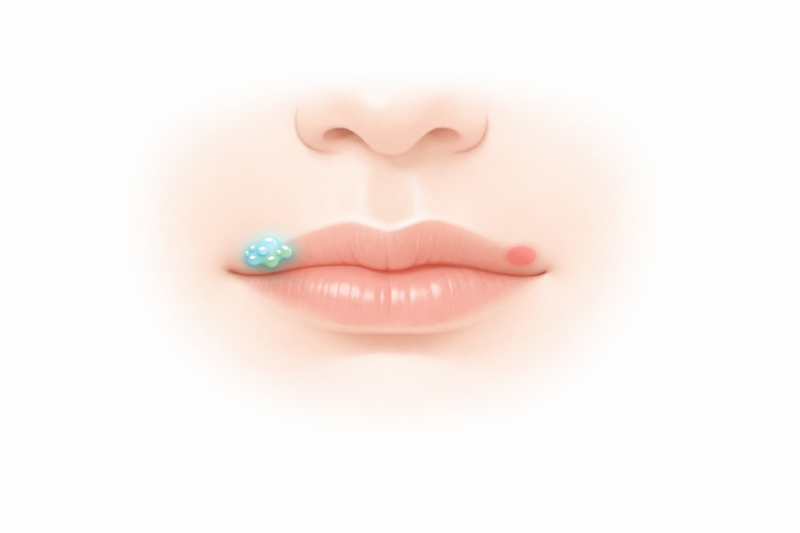
- Cold sores (herpes labialis): Caused by the herpes simplex virus (HSV-1 or, less commonly, HSV-2). They usually appear as groups of small, fluid-filled blisters on or around the lips. The blisters can be painful and often burst, leaving a crust before healing.
- Canker sores (aphthous ulcers): These are small, round or oval ulcers found inside the mouth or on the inner lips, not on the outer lip surface. They are not contagious and are typically white or yellowish with a red border.
- Angular cheilitis: This is inflammation and cracking at the corners of the mouth. It can be caused by fungal or bacterial infections, irritation, or nutritional deficiencies.
- Allergic reactions: Swelling, redness, or blisters can result from contact with allergens, such as certain foods, lipsticks, or dental care products.
- Traumatic ulcers: Biting the lip, burns from hot food, or injury can cause temporary sores or ulcers on the lips.
- Mucoceles: These painless, fluid-filled cysts occur when a salivary gland duct is blocked, often after minor trauma.
- Other causes: Less commonly, lip lesions may be due to autoimmune conditions, skin diseases (like lichen planus), or, very rarely, cancerous changes.
Because the lips are exposed and sensitive, even minor issues can feel alarming. However, recognising the typical features of each lesion can help with early self-assessment.
Signs of viral infection
Many lip lesions are not infectious, but cold sores (herpes labialis) are caused by a virus and can be transmitted to others. Here are key signs that a lip lesion may be due to a viral infection:
- Tingling or burning sensation: Cold sores often begin with a feeling of tingling, itching, or burning around the lip before any visible sore appears. This “prodrome” phase can last hours to a day.
- Grouped blisters: The classic appearance is a cluster of small, clear, fluid-filled blisters, usually on the border of the lip. These may combine to form a larger sore.
- Pain and sensitivity: The blisters can be tender or even painful, especially when touched or exposed to acidic foods.
- Crusting and healing: After the blisters burst, they leave a shallow ulcer that quickly crusts over and usually heals within 1–2 weeks.
- Recurrent episodes: Cold sores tend to recur in the same area, often triggered by stress, illness, sunlight, or hormonal changes.
- Associated symptoms: Some people experience mild fever, swollen lymph nodes, or general malaise with their first outbreak.
Other viral infections can also affect the lips, such as the coxsackievirus (causing hand, foot, and mouth disease) or varicella-zoster virus (shingles), but these are less common and have other distinguishing features.
When dermatology evaluation is needed
Most lip lesions are minor and resolve on their own. However, there are situations where a professional dermatology evaluation is important:
- Lesion persists longer than 2 weeks: Any sore or ulcer on the lips that does not heal within two weeks should be assessed, as persistent lesions may require further investigation.
- Frequent or severe outbreaks: If you experience more than five cold sore outbreaks per year, or your outbreaks are unusually severe or painful, a doctor may recommend preventive treatment or further testing.
- Unusual appearance or location: Lesions that are unusually large, have an irregular border, bleed, or develop in areas not typical for cold sores (such as inside the mouth or on the gums) may need specialist attention.
- Associated symptoms: Seek medical advice if you have fever, difficulty swallowing, widespread rash, or if the lesion spreads rapidly.
- Impaired healing: If you have a weakened immune system (due to medication, HIV, cancer therapy, etc.), any lip lesion should be promptly evaluated.
- Suspected cancer: Rarely, non-healing or unusual sores on the lips could be a sign of lip cancer, especially in people with a history of heavy sun exposure or tobacco use.
When in doubt, it is always safer to consult a healthcare professional. Early evaluation can help rule out more serious causes and provide appropriate management.
What tests may be performed
Doctors usually diagnose lip lesions based on their appearance and your medical history. However, in some cases, additional tests may be needed to confirm the cause:
- Viral swab: If a cold sore is suspected, a swab of the fluid from an active blister can be sent for laboratory testing to detect herpes simplex virus (HSV) by PCR or viral culture.
- Blood tests: In rare cases, blood tests may be used to look for antibodies to HSV or other viruses, particularly if the diagnosis is uncertain or if you have frequent recurrences.
- Biopsy: For persistent, unusual, or suspicious lesions, a small tissue sample (biopsy) may be taken and examined under a microscope to rule out cancer or other conditions.
- Patch testing: If an allergic reaction is suspected, dermatologists may perform patch testing to identify potential allergens.
- Other swabs or cultures: If bacterial or fungal infection is suspected (e.g., with angular cheilitis), swabs may be taken to identify the organism and guide treatment.
Test selection depends on your specific symptoms, the appearance of the lesion, and your medical history. Most lip lesions do not require extensive testing.
Treatment pathways doctors consider
Treatment for lip lesions depends on the underlying cause. Doctors choose from a range of approaches, tailored to the individual patient:
- Cold sores (herpes simplex): Antiviral creams or oral antiviral medicines, such as acyclovir or valacyclovir, may be prescribed to shorten the duration of an outbreak or, in some cases, as preventive therapy for frequent recurrences. Keeping the area clean and avoiding picking at blisters is important.
- Canker sores: Most heal on their own, but topical gels, mouthwashes, or pain relief may be recommended to reduce discomfort.
- Angular cheilitis: Treatment depends on the cause and may include antifungal or antibacterial creams, and addressing any underlying nutritional deficiencies.
- Allergic reactions: Identifying and avoiding the allergen is key. Mild steroid creams or antihistamines may be used for symptom relief.
- Traumatic ulcers: These usually resolve without treatment, but avoiding further trauma and using a soothing ointment can help healing.
- Mucoceles: Small mucoceles may resolve on their own, while larger or persistent ones might require minor surgery.
- Cancerous lesions: If a biopsy confirms cancer, treatment typically involves a multidisciplinary team and may include surgery, radiotherapy, or other therapies.
It’s important to note that home remedies and over-the-counter products can provide symptom relief for minor lesions, but persistent, recurrent, or unusual sores should always be evaluated by a healthcare provider. Self-diagnosing can lead to delays in proper management.
Doctors also consider preventive strategies, such as sun protection for the lips, managing stress, and maintaining good oral hygiene, to reduce the risk of future lesions. In people with weakened immune systems, more aggressive preventive measures may be necessary.
If you notice changes in a lip lesion that make you concerned about cancer, learning about the common warning signs of skin cancer on the lips and face can help you know what to watch for and when to seek prompt medical advice.
In summary: Lip lesions can have many different causes, ranging from harmless irritation to viral infections and, rarely, more serious conditions. Recognising the typical features of each type and knowing when to seek medical evaluation can ensure you get appropriate care. If you are ever uncertain about a lip lesion, or if it does not heal as expected, consulting a healthcare professional is the safest choice.


