
Muscle twitching is an experience most people have at some point, often described as a small, sudden, involuntary movement or flutter under the skin. While it can be surprising or even worrying, muscle twitching is very often harmless and temporary. Still, there are situations when it is important to pay attention and seek medical advice. This article will help you understand the common reasons for muscle twitching, the warning signs to look out for, and what doctors may do to investigate the cause.
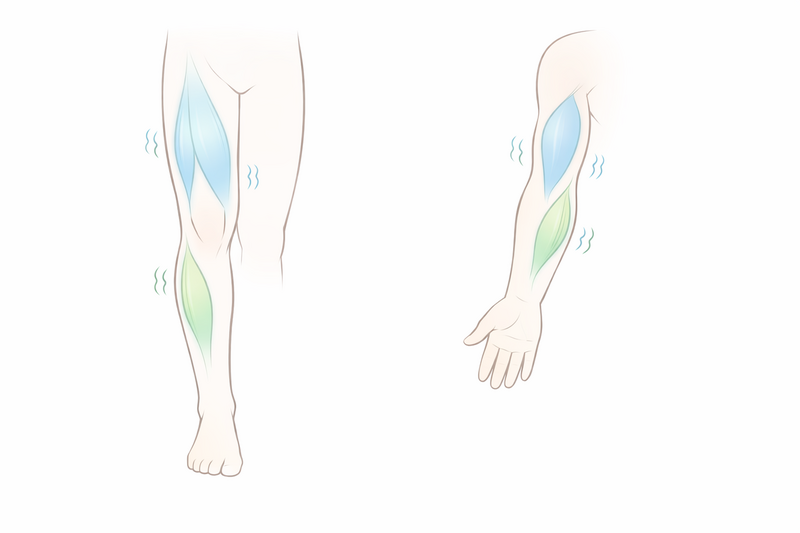
By learning more about muscle twitching, you can better decide when it’s safe to wait and watch, and when it’s a good idea to speak with your healthcare provider.
Common benign causes of twitching
Most muscle twitching, also called fasciculations, is harmless and not linked to any serious medical condition. In many cases, the twitching goes away on its own or after addressing simple lifestyle factors.
- Fatigue and overuse: If you have exercised more than usual or used a specific muscle group repeatedly, twitching may occur as a result. Athletes and people who start a new exercise routine often experience this.
- Stress and anxiety: When the body is under stress, nerves can become more excitable, which may lead to muscle twitches, especially around the eyes, arms, or legs.
- Caffeine or stimulant intake: Coffee, energy drinks, and some medications can overstimulate the nervous system, making muscles more prone to twitching.
- Lack of sleep: Not getting enough rest may increase nerve activity, which sometimes causes muscles to twitch.
- Minor electrolyte imbalances: Low levels of magnesium, calcium, or potassium can make muscles more irritable, especially if you have been sweating heavily or have had a gastrointestinal infection.
- Eye or facial twitches: These are especially common and usually related to fatigue, stress, or eye strain.
In these situations, muscle twitching is usually brief and resolves when the underlying trigger is addressed. If the twitching does not spread, is not accompanied by weakness, and is not persistent for weeks, it is likely to be benign.
Warning neurological symptoms
Although most muscle twitching is harmless, there are times when it can be a sign of a neurological condition. It is important to pay attention to certain symptoms that may suggest a more serious problem. These “red flags” usually mean you should see a doctor for further evaluation.
- Muscle weakness: If you notice you are losing strength in your arms, legs, or hands, or if you have difficulty with tasks like climbing stairs or gripping objects, it should be checked.
- Muscle wasting: Visible thinning or shrinking of muscles (atrophy), especially when accompanied by twitching, may indicate a nerve or muscle disorder.
- Persistent or widespread twitching: Twitching that lasts for weeks or months, or that spreads to many parts of the body, is more concerning than occasional, localized twitching.
- Changes in sensation: Numbness, tingling, or loss of feeling along with twitching should be evaluated.
- Problems with speech, swallowing, or coordination: Difficulty speaking, swallowing, walking, or maintaining balance can be signs of neurological conditions that need prompt attention.
- Unexplained muscle cramps: Frequent, severe muscle cramps occurring with twitching may also be a warning sign.
If you notice any of these symptoms, or if you are worried about your health, it is best to consult a healthcare professional. Early assessment can help rule out or diagnose potentially serious conditions.
Which tests doctors may consider
If you visit a doctor because of muscle twitching, they will start by asking about your medical history and performing a physical examination. The doctor will want to know how long the twitching has lasted, whether it is getting worse, and if you have any symptoms such as weakness or numbness. Depending on your answers and their findings, they may consider a range of tests to find the cause.
- Blood tests: These may check for electrolyte imbalances, thyroid function, kidney function, and vitamin or mineral deficiencies.
- Nerve conduction studies and electromyography (EMG): These tests measure the electrical activity of muscles and nerves and can help identify disorders of the nerves or muscles.
- Imaging scans: In some cases, an MRI or CT scan may be used to look for problems in the brain or spinal cord, especially if there are other neurological symptoms.
- Urine tests: These can help detect certain metabolic conditions or drug exposures that might be linked to muscle twitching.
- Genetic or antibody tests: Rarely, if a hereditary or autoimmune cause is suspected, more specialized blood tests may be ordered.
Many people with benign muscle twitching do not need any tests at all, especially if their symptoms are mild, short-lived, and not associated with other concerning features.
Lifestyle vs medical causes
Understanding what triggers muscle twitching can help you manage or even reduce its occurrence. Causes can be broadly divided into those related to lifestyle and those related to underlying medical conditions.
Lifestyle causes
- Stress: High stress levels are a common trigger for muscle twitching. Relaxation techniques such as deep breathing, meditation, or gentle exercise may help.
- Fatigue: Overworking muscles during physical activity or not getting enough rest can lead to temporary twitching.
- Caffeine or alcohol: Both can overstimulate muscles and nerves, leading to twitching. Reducing intake may help if you notice a connection.
- Diet: Not getting enough minerals from food or losing them through sweating can cause muscle irritability. Eating a balanced diet with plenty of fruits, vegetables, and fluids is important.
Medical causes
- Medication side effects: Some medicines, such as corticosteroids or diuretics, can cause muscle twitching as a side effect.
- Nerve disorders: Conditions like amyotrophic lateral sclerosis (ALS), peripheral neuropathy, or spinal cord injury can cause persistent and widespread twitching, usually with other symptoms.
- Muscle diseases: Rarely, diseases that directly affect muscle tissue can present with twitching.
- Metabolic or hormonal imbalances: Problems with thyroid function, blood calcium, or kidney health can cause twitching.
If lifestyle factors seem to be the cause, making small changes such as improving sleep, reducing caffeine, and managing stress can often help. If you suspect a medication or underlying medical condition may be responsible, talk to your doctor before making any changes.
When specialist evaluation happens
Most cases of muscle twitching do not require specialist care and can be managed by your general practitioner or family doctor. However, there are situations when further evaluation by a neurologist or other specialist is recommended.
- Progressive symptoms: If your muscle twitching is worsening, spreading, or accompanied by weakness, a specialist’s opinion is important.
- Abnormal findings on examination: If your doctor detects signs of muscle wasting, abnormal reflexes, or changes in coordination, a neurologist’s assessment may be needed.
- Unclear diagnosis: When the cause of muscle twitching is not clear after initial tests, a specialist may use more advanced investigations.
- Rare conditions suspected: Neurological conditions such as motor neuron disease, myasthenia gravis, or certain inherited disorders require specialist knowledge for diagnosis and management.
Specialist evaluation may include detailed nerve and muscle testing, advanced imaging, or genetic studies. The goal is to rule out serious diseases and provide reassurance or specific treatment if needed.
If you are interested in understanding more about how ongoing tiredness and lifestyle factors might relate to your symptoms, our page on chronic fatigue and its possible lifestyle or medical causes offers further information that may be helpful.
In summary, muscle twitching is usually nothing to worry about and often settles on its own. Paying attention to your body, managing stress, and maintaining healthy lifestyle habits can make a significant difference. However, if twitching is persistent, accompanied by weakness or other neurological symptoms, or if you are concerned, do not hesitate to seek medical advice. Early evaluation can provide peace of mind and ensure any underlying issues are identified and managed appropriately.


