
Chronic nasal congestion can be frustrating and disruptive, affecting sleep, concentration, and overall quality of life. If you find yourself constantly battling a blocked nose, you are not alone—many people experience this persistent problem. Understanding the underlying causes is essential for effective management and relief. This article explores the common reasons for chronic nasal congestion, when allergy testing is useful, what to expect during an ENT evaluation, the role of imaging compared to physical examination, and the long-term treatment options available.
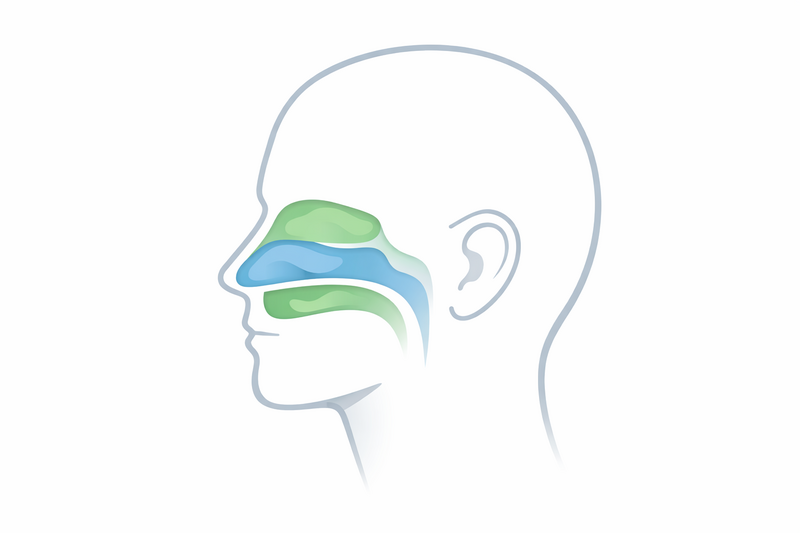
Common causes of blocked nose
Chronic nasal congestion can result from a variety of factors. Identifying the underlying cause is key to effective treatment. The most frequent reasons include:
- Allergic rhinitis: Allergies to pollen, dust mites, animal dander, or mould are common causes. These triggers lead to inflammation inside the nose, resulting in stuffiness, sneezing, and itchiness.
- Non-allergic rhinitis: Some people develop ongoing nasal congestion without an allergic cause. Factors such as irritants (smoke, strong odours), weather changes, or hormonal shifts can be responsible.
- Sinus infection (chronic sinusitis): Infections of the sinuses lasting more than 12 weeks can cause ongoing blockage, facial pain, and sometimes reduced sense of smell.
- Structural problems: Deviated nasal septum, enlarged turbinates, or nasal polyps can physically block airflow through the nose and lead to persistent congestion.
- Medication side effects: Overuse of decongestant nasal sprays or certain medications (such as those for high blood pressure) can contribute to ongoing nasal symptoms.
- Other medical conditions: Rarely, conditions such as pregnancy, thyroid disorders, or tumors may play a role.
It is possible for more than one factor to be involved at the same time. For example, someone with a mildly deviated septum may find their symptoms worsen during allergy season.
When allergy testing is recommended
If you experience chronic nasal congestion along with sneezing, itching, watery eyes, or symptoms that worsen during specific seasons or in certain environments (such as around pets), an allergic cause is likely. Allergy testing may be suggested in the following situations:
- Your symptoms are consistent with allergies, but you are unsure of the specific triggers.
- Conservative treatments (such as over-the-counter nasal sprays) have not provided relief.
- Your doctor is considering allergen immunotherapy (allergy shots or drops) as a treatment option.
- There is a need to distinguish between allergic and non-allergic causes of your symptoms.
Allergy testing is usually performed using skin prick tests or blood tests. Skin prick testing involves placing a small amount of suspected allergen on your skin and observing for a reaction. Blood tests can measure specific antibodies to common allergens. Your healthcare provider will discuss which method is most appropriate for you.
Understanding your allergy profile can help guide avoidance strategies and targeted therapies, improving your long-term symptom control.
ENT evaluation steps
If your nasal congestion does not improve with standard treatments, or if structural issues are suspected, your general practitioner may refer you to an ear, nose, and throat (ENT) specialist. An ENT evaluation typically involves several steps:
- Medical history: The specialist will ask detailed questions about your symptoms, their duration, triggers, previous treatments, and any related health conditions.
- Physical examination: This includes inspecting the nose, mouth, and throat for signs of swelling, polyps, or anatomical irregularities. The doctor may use a nasal speculum or a headlight for better visibility.
- Nasal endoscopy: A thin, flexible tube with a light and camera (endoscope) may be gently inserted into your nostrils to provide a clear view of the nasal passages and sinus openings. This procedure is usually well tolerated and offers valuable information about structural and inflammatory changes.
- Review of previous treatments: The doctor will consider what medications or therapies you have already tried, and how effective they have been.
- Discussion of further tests: Depending on the findings, additional investigations (such as imaging or allergy testing) may be recommended.
This thorough approach helps pinpoint the cause of your symptoms and ensures that any serious conditions are not overlooked.
Imaging vs examination
Both physical examination and imaging studies play important roles in evaluating chronic nasal congestion. The choice depends on your symptoms and the findings during your initial assessment.
- Physical examination and nasal endoscopy: These are often the first steps. They allow the doctor to directly visualise the inside of your nose, identify swelling, polyps, or structural abnormalities, and assess the severity of any inflammation.
- Imaging (CT scan or MRI): Imaging is not always necessary for straightforward cases. However, a CT scan of the sinuses may be recommended if:
- Chronic sinusitis is suspected and does not respond to treatment
- There are signs of nasal polyps or a deviated septum not fully visible on exam
- Complications such as orbital or intracranial spread of infection are a concern
- Surgery is being considered
Imaging helps clarify the extent of sinus disease, detect hidden blockages, and guide surgical planning if needed. MRI scans are less commonly used but may be helpful for assessing soft tissue or suspected tumors.
In most cases, a careful physical examination and endoscopy provide enough information to guide initial management. Imaging is reserved for complex or persistent cases.
Long-term treatment options
Effective management of chronic nasal congestion depends on identifying and addressing the underlying cause. Long-term treatment options include:
- Allergic rhinitis management:
- Allergen avoidance: Reducing exposure to known triggers (such as dust mites, pollen, or animal dander) can significantly help.
- Medications: Antihistamines, steroid nasal sprays, and saline rinses can reduce inflammation and improve symptoms.
- Immunotherapy: For those with severe or persistent allergies, allergen immunotherapy (either as injections or under-the-tongue drops) may provide lasting relief.
- Non-allergic rhinitis: Treatment depends on the underlying trigger. Nasal steroid sprays and avoidance of irritants are often recommended.
- Chronic sinusitis: Management may involve saline irrigation, topical or oral steroids, antibiotics (if bacterial infection is confirmed), and sometimes surgery to improve sinus drainage.
- Structural problems: If anatomical issues such as a deviated septum or nasal polyps are causing symptoms, surgical correction may be considered. Procedures are tailored to the severity and location of the blockage.
- Medication review: If your symptoms are linked to a medication, your doctor may suggest alternatives or adjust your treatment plan.
- Supportive measures: Using a humidifier, avoiding smoke, and maintaining good nasal hygiene can all help minimise congestion.
It is important to follow your doctor’s advice and give treatments time to work. Some therapies, such as nasal steroid sprays or immunotherapy, may take several weeks to show their full effect. If you do not experience improvement, do not hesitate to return to your healthcare provider for further assessment.
For those interested in learning more about the procedure and reasons why nasal endoscopy is recommended during ENT assessments, our detailed guide on what happens during an endoscopy and when it may be advised provides useful information.
When to seek urgent medical help: While most causes of chronic nasal congestion are not dangerous, you should seek immediate medical attention if you experience:
- Severe facial pain or swelling
- High fever with nasal symptoms
- Sudden vision changes or double vision
- Bleeding from the nose that will not stop
- Difficulty breathing
These could be signs of a serious infection or complication requiring prompt care.
In summary, chronic nasal congestion is a common complaint with a wide range of potential causes. A careful approach—combining history, physical examination, and targeted testing—can help identify the underlying problem and guide effective treatment. If you are struggling with persistent symptoms, speak to your GP or an ENT specialist for a thorough evaluation and personalised advice.


