
Feeling frequent pressure in your head can be unsettling. For many people, it brings up questions about whether it’s something minor, like sinus congestion, or if it might be related to a more serious neurological condition. Understanding the differences between sinus-related head pressure and pressure that may signal a neurological issue is important for your peace of mind and your health. This article aims to guide you through common symptoms, warning signs to watch for, and how doctors approach diagnosis.
Let’s explore the main causes, what symptoms to pay attention to, and when it’s time to see a specialist for further evaluation.
Common sinus-related symptoms
Sinus issues are a frequent cause of head pressure. The sinuses are air-filled spaces in your skull, located around your nose, eyes, and forehead. When they become inflamed or blocked—usually due to infection, allergies, or irritants—pressure can build up.
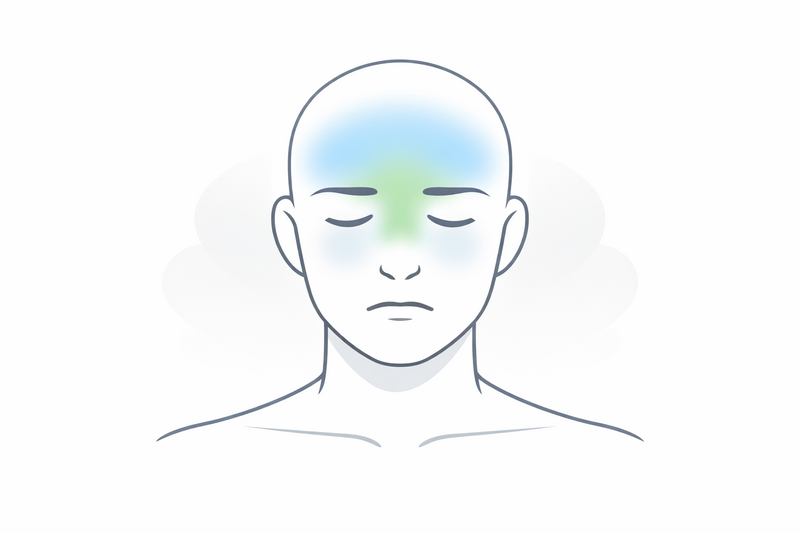
- Location of pressure: Sinus-related pressure is often felt around the forehead, cheeks, behind the eyes, or across the bridge of the nose.
- Nasal symptoms: Congestion, stuffy or runny nose, and post-nasal drip are typical. You may also notice a reduced sense of smell or taste.
- Pain that changes with position: Bending over or lying down may worsen the pressure or pain.
- Other symptoms:
- Thick, discoloured nasal discharge (especially yellow or green)
- Mild fever
- Mild headache
- Fatigue
- Ear fullness or mild hearing changes
In most sinus-related cases, the discomfort is persistent but not severe, and it may improve with over-the-counter remedies or as the underlying problem resolves.
Warning neurological signs
Not all head pressure is due to sinus problems. Some symptoms may indicate a problem in the nervous system and require urgent medical attention. Neurological causes are less common, but they can be much more serious.
- Sudden, severe headache: A headache that comes on rapidly and is described as the “worst ever” could signal a serious problem, such as bleeding in the brain.
- Changes in vision: Blurred vision, double vision, loss of vision, or seeing flashing lights can be warning signs.
- Weakness or numbness: Sudden weakness, tingling, or numbness on one side of the body or face can suggest a neurological issue.
- Difficulty speaking or understanding: Trouble finding words, slurred speech, or confusion are concerning symptoms.
- Loss of balance or coordination: Feeling very unsteady, dizzy, or unable to walk properly may indicate a brain or nerve problem.
- Seizures: Any new seizure or convulsive episode is a medical emergency.
- Changes in consciousness: Fainting, drowsiness, or being difficult to wake should always be checked by a doctor quickly.
If you experience any of these symptoms—especially if they come on suddenly or are severe—seek medical attention immediately. Early evaluation can make a significant difference in outcomes for neurological emergencies.
When imaging may be needed
Not every episode of head pressure requires a scan or imaging study. However, there are certain situations where your doctor may recommend tests such as a CT scan or MRI:
- Red flag symptoms: As described above, sudden severe headache, neurological deficits, or changes in consciousness usually prompt urgent imaging.
- Persistent or unexplained symptoms: If head pressure does not improve with usual treatments, or if it is worsening over time, further investigation may be needed.
- Unusual presentation: If symptoms do not fit a typical pattern for sinusitis or tension headaches, imaging may help rule out other causes.
- History of cancer or immune suppression: People with a history of cancer, HIV, or who are on immune-suppressing medications may require earlier imaging, as they are at higher risk for rare causes of head pressure.
- Repeated sinus infections: Chronic or recurrent sinus problems that are not responding to treatment may need sinus imaging to look for structural problems or chronic inflammation.
Imaging is not usually needed for mild, self-limited sinus symptoms. Your doctor will decide based on your overall risk profile and the pattern of your symptoms.
ENT vs neurology evaluation
When symptoms persist or are unclear, your GP may refer you to a specialist. The two main specialists involved in evaluating head pressure are:
- ENT (Ear, Nose, and Throat) specialists:
- Focus on sinus, nasal, and ear conditions
- Can perform nasal endoscopy, order sinus imaging, and assess for chronic inflammation or polyps
- Often manage chronic sinusitis, allergic rhinitis, and structural nasal problems
- Neurologists:
- Assess for neurological causes, such as migraines, tension-type headaches, raised intracranial pressure, or rare brain disorders
- Can perform detailed neurological exams and order brain imaging if needed
- Often manage chronic headache disorders and unexplained neurological symptoms
Your GP will help decide which specialist is most appropriate based on your symptoms. Sometimes, both types of specialists may be involved to rule out different causes.
What doctors usually check
When you visit a doctor for frequent head pressure, you can expect a thorough history and physical examination. Here is what most doctors will check:
- Symptom history: When did your symptoms start? Are they constant or do they come and go? What makes them better or worse?
- Associated symptoms: Are there nasal symptoms, fever, visual changes, weakness, or balance issues?
- Medical history: Do you have allergies, a history of migraines, or any chronic illnesses?
- Medication review: Some medicines can cause headaches or sinus congestion.
- Physical examination:
- Checking the nose, throat, and ears for signs of infection, inflammation, or blockage
- Palpating (pressing) the sinuses for tenderness
- Looking for swelling or redness
- Performing a basic neurological examination: checking muscle strength, reflexes, sensation, balance, and eye movements
- Further investigations: Based on findings, your doctor may order blood tests, imaging studies, or refer you for specialist evaluation.
Doctors look for patterns and “red flag” symptoms to decide on the safest and most efficient path forward. Most cases of head pressure are not dangerous, but it is important to rule out serious conditions early.
If you are wondering exactly when a scan might be appropriate, you may find it useful to read about the different headache types and when imaging is needed in this comprehensive guide to headache assessment and imaging decisions.
Summary: Head pressure is a common complaint with many possible causes. Sinus issues are frequent and usually produce a predictable set of symptoms. However, it is essential to be aware of warning signs that could point to a neurological cause. If your symptoms are severe, sudden, or associated with neurological changes, seek medical attention promptly. For ongoing or unexplained head pressure, a healthcare professional can guide you through the next steps, including whether you need to see a specialist or have further tests.
If you are unsure about your symptoms, do not hesitate to consult your doctor. Early reassurance and appropriate evaluation can help you find relief and peace of mind.


