
Many people experience dry, uncomfortable eyes, especially after a long day at work or while scrolling through their phones. While it is easy to blame screens for these symptoms, the true cause can be more complex. Understanding what leads to dry eyes, how lifestyle and medical conditions play a role, and when to seek professional help can make a big difference in your eye health and daily comfort.
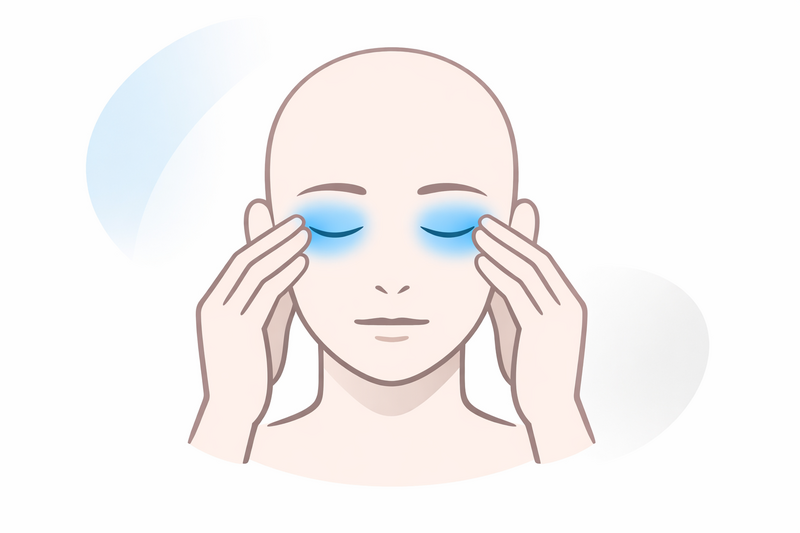
This article explores the reasons behind dry eyes, helps you distinguish between everyday triggers and underlying health issues, and offers guidance on prevention and treatment. If you have ever wondered whether your dry eyes are just a result of screen time or something that needs medical attention, you are in the right place.
Common causes of dry eyes
Dry eyes occur when your eyes do not produce enough tears or when the quality of your tears is poor. The tear film, which covers the surface of your eyes, is essential for comfort, clear vision, and protecting your eyes from infections and irritants. When this delicate balance is disrupted, symptoms such as burning, stinging, redness, and blurred vision can arise.
- Reduced tear production: Ageing is a natural cause of decreased tear production. Medical conditions such as Sjögren’s syndrome, rheumatoid arthritis, and diabetes can also impact your ability to make tears.
- Increased tear evaporation: Environmental factors like wind, dry air, and air conditioning can cause tears to evaporate quickly. Blinking less often, which often happens during screen use, also contributes to this problem.
- Poor tear quality: The tear film is made up of three layers (oil, water, and mucus). Problems with the glands that produce these components, such as meibomian gland dysfunction, can lead to unstable tears.
- Medications: Certain medicines, including antihistamines, antidepressants, and blood pressure medications, can reduce tear production.
- Contact lens use: Wearing contact lenses for long periods can disrupt the tear film and cause dryness.
- Eye surgery: Procedures like LASIK or cataract surgery may temporarily affect tear production and comfort.
It is important to recognise that dry eyes can have more than one cause, and sometimes multiple factors combine to trigger symptoms.
Lifestyle vs medical triggers
Many people associate dry eyes with modern lifestyle habits, especially the increase in screen time. However, medical conditions and other factors can also play a significant role. Distinguishing between these triggers can help you and your healthcare provider find the best approach to relief.
Common lifestyle factors
- Screen use: Whether you’re using a computer, tablet, or smartphone, you tend to blink less, which leads to more tear evaporation.
- Environmental conditions: Air conditioning, heating, and windy or dry weather can all contribute to dryness.
- Smoking: Tobacco smoke can irritate and dry out the eyes.
- Contact lens wear: Wearing lenses for extended periods can worsen symptoms, especially if the lenses are not well-fitted or cleaned properly.
Medical and health-related causes
- Hormonal changes: Hormonal fluctuations, especially during menopause, pregnancy, or while taking certain contraceptives, can affect tear production.
- Autoimmune diseases: Conditions like Sjögren’s syndrome and rheumatoid arthritis can directly impact the glands that make tears.
- Allergies: Eye allergies can cause irritation and dryness, sometimes made worse by allergy medications.
- Chronic illnesses: Diabetes, thyroid disorders, and vitamin A deficiency are all linked with dry eyes.
- Side effects of medications: Many prescription and over-the-counter medications can reduce tear production as a side effect.
If your symptoms persist despite changing your habits, or if you have a history of autoimmune or hormonal conditions, it may be time to look beyond lifestyle and consider a medical cause.
When eye exams are recommended
While occasional dryness or discomfort from time to time is common, there are situations where a professional eye examination is important. Early detection of underlying problems can help prevent complications and improve your quality of life.
- Persistent symptoms: If your eyes feel dry, gritty, or irritated most days, or if symptoms do not improve with simple lifestyle changes, an eye exam is advised.
- Vision changes: Blurred or fluctuating vision, especially if it affects your daily activities, may signal a more serious issue.
- Associated pain or redness: Significant discomfort, redness, or sensitivity to light should be checked promptly.
- History of eye surgery: After procedures like LASIK or cataract surgery, regular follow-up is recommended to monitor for dry eye complications.
- Underlying health conditions: People with autoimmune diseases, diabetes, or thyroid problems should have regular eye checks.
- Contact lens users: If you wear contact lenses and notice increased dryness, discomfort, or sensitivity, consult your eye care provider.
A full eye exam will typically include a detailed history, assessment of your tear film, and tests to evaluate tear production and quality. In some cases, your doctor may refer you for additional tests to investigate possible underlying diseases.
Treatment options doctors consider
Treatment for dry eyes depends on the cause, severity, and impact on your daily life. Your doctor will tailor recommendations to your specific situation. Here are common options:
- Artificial tears: Lubricating eye drops are often the first step. They help relieve symptoms and can be used as needed.
- Prescription eye drops: If over-the-counter products are not enough, medicated drops such as cyclosporine or lifitegrast may help reduce inflammation and increase tear production.
- Warm compresses and eyelid hygiene: For problems with meibomian glands, applying warm compresses and cleaning your eyelids can improve oil flow and tear stability.
- Punctal plugs: Tiny devices can be inserted into tear ducts to reduce drainage and keep the eyes moist for longer.
- Managing underlying health issues: Treating conditions like blepharitis, allergies, or autoimmune diseases can improve dry eye symptoms.
- Changing medications: If a medication is contributing to dryness, your doctor may suggest alternatives if possible.
- Environmental adjustments: Using humidifiers, avoiding direct airflow, and taking breaks from screens can help reduce symptoms.
It is important to follow your doctor’s advice and attend regular check-ups, as untreated dry eyes can lead to complications such as eye infections and, in rare cases, damage to the eye surface.
Other supportive treatments
- Nutritional supplements: Omega-3 fatty acids, found in fish oil or flaxseed oil, may help some people with dry eye symptoms.
- Specialty contact lenses: Certain types of contact lenses can help protect the eye surface and retain moisture.
- Light-based therapies: In some cases, intense pulsed light (IPL) therapy is used for meibomian gland dysfunction.
Not all treatments are suitable for everyone. It is best to discuss options with your eye care professional to find what works best for you.
How to prevent worsening symptoms
While not all causes of dry eye can be prevented, there are practical steps you can take to reduce symptoms and protect your eyes from further discomfort. Prevention is especially important if you spend long hours using digital devices or have risk factors for dry eyes.
- Follow the 20-20-20 rule: Every 20 minutes, look at something 20 feet away for at least 20 seconds to encourage blinking and rest your eyes.
- Blink regularly: Make a conscious effort to blink, especially during screen use, to keep the tear film refreshed.
- Adjust your environment: Use a humidifier to add moisture to the air, avoid sitting directly in front of fans or vents, and wear wraparound sunglasses outdoors.
- Maintain eyelid hygiene: Gently clean your eyelids with a damp cloth or special wipes to prevent inflammation and blockage of oil glands.
- Limit contact lens wear: Give your eyes regular breaks from lenses and follow your eye care provider’s advice on lens care.
- Stay hydrated: Drinking enough water can help maintain healthy tear production.
- Choose eye-friendly cosmetics: Avoid products that can irritate the eyes, and remove makeup thoroughly before bed.
If you notice changes in your symptoms, or if your eyes become suddenly more uncomfortable, it is wise to consult your healthcare provider. They can help determine whether you need further evaluation or a change in your management plan.
For those wanting to stay proactive about their overall well-being, you may find it helpful to learn what to expect during an annual health checkup and how it can benefit your eye and general health.
In summary: Dry eyes are a common complaint and can be caused by a mix of lifestyle habits and medical conditions. While screen time and environmental factors play a role, underlying health issues can also contribute. Regular eye exams and simple preventive strategies can help keep your eyes comfortable and protected. If in doubt, seek advice from an eye care professional to ensure you receive the most appropriate care for your needs.


