
Neck pain that comes with a headache is a common experience for many people. While muscle tension is often the cause, it’s natural to worry if something more serious could be behind your symptoms. Understanding the possible reasons for neck pain with headache, knowing when to seek medical advice, and recognising warning signs can help you make informed decisions about your health.
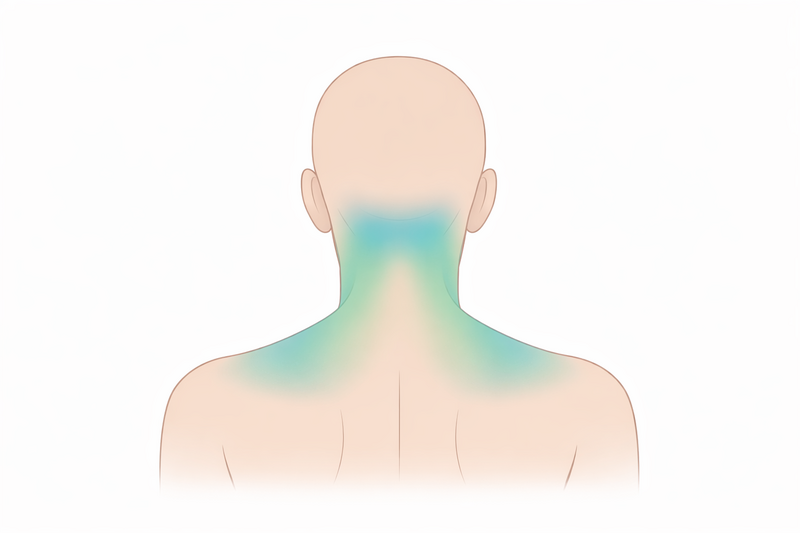
This article explains the common causes of headaches linked to neck pain, highlights symptoms that may need urgent attention, and guides you on when to seek further tests or specialist care. You’ll also find advice on monitoring your symptoms at home and when to contact a healthcare professional.
Common causes of neck-related headaches
Most cases of neck pain with headache are not due to dangerous conditions. Here are some of the most frequent causes:
- Muscle tension and poor posture: Sitting at a desk for long periods, using digital devices, or sleeping in an awkward position can strain the neck muscles. This often leads to tension-type headaches that start at the back of the head and can spread forward.
- Cervicogenic headache: This is a headache that originates from issues in the neck, such as joint or disc problems. The pain is typically one-sided and may be triggered by certain neck movements or sustained positions.
- Migraine: Migraines can sometimes cause neck pain before or during the headache phase. The pain may be throbbing and associated with sensitivity to light, noises, or smells.
- Whiplash or injury: A recent accident or trauma to the neck can result in pain that radiates to the head. Even minor injuries can lead to headaches if the soft tissues or joints are irritated.
- Arthritis: Wear and tear of the cervical spine (neck region) with age or due to conditions like osteoarthritis can cause chronic neck pain and headaches.
Other less common but possible causes include infections, inflammation, or referred pain from dental, jaw, or sinus problems. In most cases, these headaches improve with rest, gentle movement, or over-the-counter pain relief.
Warning neurological symptoms
While most neck pain with headache is not dangerous, certain symptoms should never be ignored. These may indicate a more serious underlying problem involving the brain, blood vessels, or spinal cord. Seek urgent medical attention if you experience:
- Sudden, severe headache: Often described as the “worst headache of your life,” this could signal a brain hemorrhage or other vascular emergency.
- Neck stiffness with fever or confusion: These can be signs of meningitis, a serious infection of the lining around the brain and spinal cord.
- Visual changes: Blurred, double vision, or loss of sight along with neck pain and headache may point to increased pressure in the brain or problems with blood flow.
- Weakness, numbness, or difficulty speaking: Any sudden changes in movement, sensation, balance, or speech can suggest a stroke or nerve involvement.
- Loss of consciousness or seizures: These are medical emergencies and require immediate evaluation.
- Severe pain after recent injury: If neck pain and headache follow a significant trauma, such as a car accident or fall, urgent assessment is needed to rule out fractures or bleeding.
Even if your symptoms seem mild, if you are concerned or feel something is not right, it is always safer to seek medical advice.
When imaging is needed
Many people wonder if they need an X-ray, CT scan, or MRI when they have neck pain with headache. In most cases, imaging is not required at the first visit, especially if the symptoms are mild and there are no warning signs. Doctors look for certain “red flags” before recommending scans, including:
- Recent significant injury, such as a car accident or fall from a height
- Symptoms suggesting nerve involvement, such as arm weakness or numbness
- Unexplained weight loss, night sweats, or history of cancer
- Persistent fever or signs of infection
- Headaches that are new, severe, or progressively worsening, especially in older adults
If you do not have these features, your doctor may suggest a period of observation, gentle physiotherapy, or simple pain relief before considering imaging. Scans can be helpful if the diagnosis is unclear, symptoms are not improving, or a specific underlying cause is suspected.
It is important not to insist on imaging “just to be sure,” as unnecessary scans can sometimes find harmless changes that do not explain your symptoms and may lead to further anxiety or unneeded treatments.
Which specialist to see first
For most people with neck pain and headache, starting with your general practitioner (GP) or family doctor is the best approach. They can:
- Take a thorough history and perform a physical examination
- Assess for warning signs or red flags
- Recommend first-line treatment or refer you to another specialist if needed
Your GP may refer you to:
- Neurologist: If there are signs of migraine, nerve involvement, or other neurological symptoms
- Orthopaedic specialist: For suspected spine, joint, or disc problems
- Physiotherapist: For posture correction, movement exercises, and advice on daily activities
- Pain specialist: If the pain is chronic and not responding to standard treatments
In case of an emergency (sudden neurological symptoms, severe headache, loss of consciousness), go directly to the nearest emergency department.
What to monitor at home
If your symptoms are mild and do not require urgent medical attention, there are several steps you can take to manage neck pain and headaches at home. It’s also helpful to keep track of your symptoms, which can assist your doctor in making a diagnosis if you need to seek further care.
- Rest and posture: Avoid activities that worsen your pain. Try to maintain good posture, especially when using computers or mobile devices.
- Gentle movement: Unless there has been a recent injury, gentle neck stretches and movement can help prevent stiffness.
- Pain relief: Over-the-counter medications such as paracetamol or ibuprofen may help, provided you have no contraindications. Always follow the instructions on the packaging.
- Hydration and sleep: Staying well hydrated and getting enough rest can support your recovery.
- Symptom diary: Note when the pain started, what makes it better or worse, and any associated symptoms (such as nausea, vision changes, or arm weakness).
Watch for any changes in your symptoms, such as:
- Pain becoming much worse or spreading to other parts of your body
- Development of new neurological symptoms (weakness, numbness, vision changes)
- Fever, unexplained weight loss, or night sweats
- Headache that wakes you from sleep or is present every morning
If any of these occur, or if you are unsure about your symptoms, contact your healthcare provider for further advice.
Understanding what happens during an MRI scan and how the results are used can be especially helpful if your doctor recommends this type of imaging for persistent neck pain and headaches; you can learn more in our detailed guide on what to expect from an MRI scan and result interpretation.
In summary: Neck pain with headache is usually linked to muscle tension, posture, or minor injuries. However, it’s important to be aware of warning signs that might point to a more serious cause. Most people do not require scans or specialist care immediately, but monitoring your symptoms and seeking medical advice when needed can ensure the best possible outcome. If you are ever in doubt, your doctor is there to help you decide on the next steps.


