
Many people experience heartburn from time to time—a burning discomfort in the chest that can be worrying or simply annoying. While occasional heartburn is common and not usually a cause for concern, frequent or severe symptoms may signal a more serious underlying issue. Understanding when to seek medical advice and how doctors evaluate heartburn can help you take control of your digestive health.
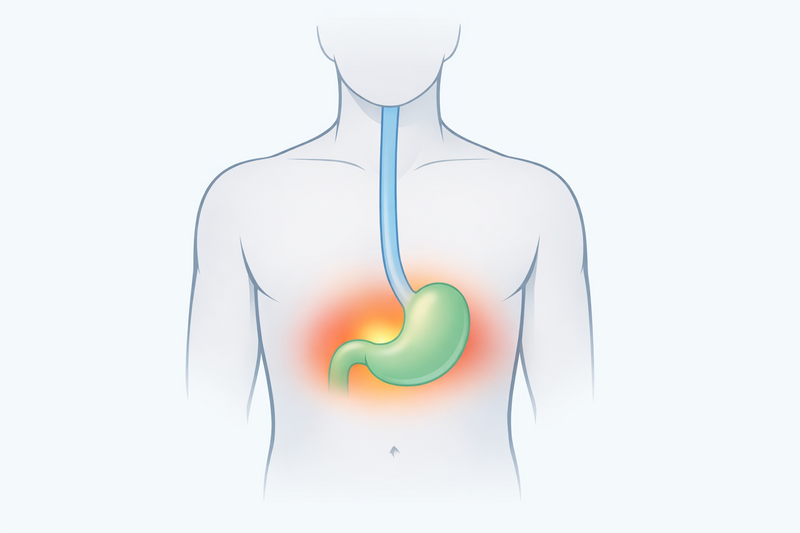
This article explores common reasons for heartburn, when further tests like endoscopy are considered, how lifestyle and medical treatments differ, and the warning signs that should not be ignored. We also explain what doctors typically look for when assessing frequent heartburn.
Common causes of heartburn
Heartburn is a symptom—often described as a burning sensation behind the breastbone—that usually occurs after eating or when lying down. While the occasional episode is not unusual, frequent heartburn can have several underlying causes:
- Gastroesophageal reflux disease (GERD): This is the most common cause of frequent heartburn. GERD occurs when stomach acid regularly flows back up into the oesophagus, irritating its lining.
- Hiatus hernia: This condition happens when a part of the stomach pushes through the diaphragm into the chest cavity, making reflux more likely.
- Certain foods and drinks: Spicy foods, fatty meals, chocolate, coffee, alcohol, and carbonated drinks can all trigger heartburn in some people.
- Medications: Some painkillers, blood pressure medications, and other drugs can relax the lower oesophageal sphincter (the muscle that keeps stomach acid in the stomach) or irritate the lining, leading to symptoms.
- Pregnancy: Hormonal changes and pressure on the stomach can make heartburn more common during pregnancy.
- Obesity: Extra weight increases pressure on the abdomen, which can push stomach contents upwards.
- Smoking: Smoking weakens the lower oesophageal sphincter, making reflux more likely.
In some cases, frequent heartburn may be a sign of other conditions such as eosinophilic oesophagitis, peptic ulcer disease, or even, rarely, heart problems. That’s why persistent or severe symptoms should always be discussed with a healthcare professional.
When endoscopy may be recommended
Most people with occasional heartburn do not need special tests. However, if you have frequent or severe symptoms, your doctor may consider further investigation to rule out more serious conditions. One of the most common procedures in such cases is an upper endoscopy (also known as gastroscopy).
An endoscopy involves passing a thin, flexible tube with a camera (endoscope) through the mouth into the oesophagus and stomach. This allows the doctor to directly view the lining of these organs and take tissue samples (biopsies) if necessary.
Endoscopy may be recommended if you have:
- Heartburn symptoms that do not improve with standard treatment
- Difficulty swallowing or painful swallowing
- Unintentional weight loss
- Vomiting, especially if persistent or with blood
- Signs of gastrointestinal bleeding (such as black, tarry stools)
- Symptoms lasting more than a few weeks, especially if you are over 50
Sometimes, endoscopy is also used to monitor people with long-term reflux who are at risk of developing complications, such as Barrett’s oesophagus—a condition that can increase the risk of oesophageal cancer.
Lifestyle vs medical treatment
For many people, simple lifestyle changes can make a significant difference in managing heartburn. Doctors often recommend starting with these adjustments before moving on to medications or procedures.
Common lifestyle changes that may help
- Eating smaller, more frequent meals
- Avoiding foods and drinks that trigger symptoms
- Not lying down soon after eating—try to wait at least two to three hours
- Losing weight if overweight
- Stopping smoking
- Raising the head of the bed to prevent nighttime symptoms
- Wearing looser clothing around the waist
If lifestyle changes are not enough, doctors may recommend medications such as:
- Antacids: These provide quick relief by neutralising stomach acid.
- H2 blockers: These reduce acid production in the stomach.
- Proton pump inhibitors (PPIs): These are more powerful acid blockers, used for frequent or severe symptoms.
In rare cases, when symptoms do not respond to medication or when there are complications, surgical procedures may be considered. However, for most people, a combination of lifestyle and medication is effective.
Warning signs that need evaluation
While heartburn is often harmless, certain symptoms require prompt medical attention. These warning signs may indicate a more serious problem that needs to be investigated:
- Difficulty or pain when swallowing
- Unintentional weight loss
- Persistent vomiting or vomiting blood
- Black, tarry, or bloody stools
- Heartburn that starts after age 50
- Chest pain that radiates to the arm, neck, or jaw—especially if accompanied by sweating or shortness of breath (seek emergency care, as this could be a heart problem)
If you experience any of these symptoms, do not delay seeking medical advice. Early evaluation can help detect and treat serious conditions at an early stage.
What doctors usually assess
When you see a doctor for frequent heartburn, they will take a detailed medical history and ask specific questions to narrow down the possible causes. This assessment usually includes:
- How often you experience heartburn and how severe it is
- Whether symptoms are related to certain foods, activities, or times of day
- Any associated symptoms, such as difficulty swallowing, coughing, or hoarseness
- Personal and family medical history, including any history of gastrointestinal disorders or cancer
- Current medications and any recent changes
- Lifestyle factors, such as diet, weight, alcohol use, and smoking
Based on your answers, your doctor may:
- Recommend a trial of lifestyle changes or medications
- Order further tests, such as endoscopy, pH monitoring, or oesophageal manometry (measuring muscle function in the oesophagus)
- Refer you to a specialist, such as a gastroenterologist, for further evaluation
It is important to be honest and thorough when describing your symptoms. Even details that seem minor can help your doctor make an accurate assessment and recommend the most appropriate next steps.
If you are interested in understanding the process and reasons for having an upper endoscopy, you can learn more by reading our detailed guide on what to expect during an endoscopy and why it is recommended.
In summary: Occasional heartburn is common and usually manageable with simple changes. However, frequent or severe symptoms may indicate GERD or another underlying condition. Knowing when to seek medical advice, what warning signs to watch for, and how doctors approach evaluation can help you take charge of your health and find effective relief. Always discuss persistent symptoms with a healthcare professional for personalised advice and care.


