
Numbness in the hands or feet is a sensation many people experience at some point in their lives. Sometimes, it’s as simple as a limb “falling asleep” after sitting in one position for too long. Other times, persistent or unexplained numbness can be a sign of an underlying health issue that needs medical attention. Knowing when to seek help, what tests may be involved, and which specialists to consult can help you take the right steps toward diagnosis and treatment.
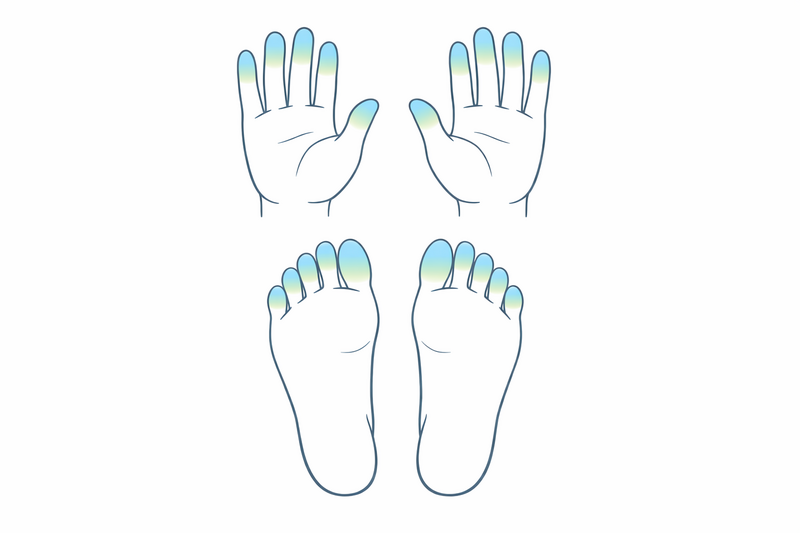
This article explains the common causes of numbness, how to tell if it might be due to nerve compression or a broader illness, and what to expect during the medical evaluation process.
Common causes of numbness
Numbness in the hands or feet can result from many different conditions. While some causes are mild and temporary, others may signal a more serious problem with nerves or circulation. Here are some of the most common reasons:
- Pressure on a nerve: Sitting or lying in one position for too long can compress nerves, leading to temporary numbness. This usually resolves quickly when you move.
- Carpal tunnel syndrome: Compression of the median nerve in the wrist can cause numbness, tingling, or weakness in the hand, especially the thumb, index, and middle fingers.
- Herniated disc: A herniated or bulging disc in the spine can put pressure on nerves that travel to the arms or legs, resulting in numbness, pain, or weakness.
- Diabetes (diabetic neuropathy): High blood sugar over time can damage peripheral nerves, often causing numbness or tingling in the feet and hands.
- Peripheral neuropathy: This is a general term for disorders affecting the peripheral nerves, which can be caused by diabetes, vitamin deficiencies, infections, autoimmune diseases, or exposure to toxins.
- Vitamin deficiencies: Lack of certain vitamins, such as B12, can harm nerves and lead to numbness or tingling.
- Alcohol use: Excessive alcohol can damage nerves over time, a condition known as alcoholic neuropathy.
- Infections: Certain infections, such as Lyme disease or shingles, can affect nerves and cause numbness.
- Autoimmune diseases: Conditions like multiple sclerosis or lupus may cause nerve inflammation and numbness.
- Poor circulation: Reduced blood flow to the hands or feet, due to narrowed arteries or blood clots, can also cause numbness.
While temporary numbness is common and usually harmless, persistent, worsening, or unexplained symptoms should be evaluated by a healthcare professional.
Signs of nerve compression vs systemic illness
Understanding whether numbness is due to local nerve compression or a wider systemic illness can help guide your next steps. Here are some key differences:
Nerve compression
- Usually affects a specific area, such as one hand, foot, or arm
- May be associated with tingling, pain, or weakness in the same area
- Often worse with certain movements or positions (e.g., bending the wrist, sitting cross-legged)
- May improve or resolve when you change position or rest the affected limb
Systemic illness
- Can affect both sides of the body (e.g., both hands or both feet)
- May develop gradually and persist regardless of position
- Often accompanied by other symptoms, such as fatigue, weight loss, changes in vision, or difficulty walking
- May be linked to known conditions such as diabetes, autoimmune diseases, or vitamin deficiencies
If your numbness comes on suddenly, is severe, or is accompanied by difficulty speaking, weakness, vision changes, or loss of bladder or bowel control, seek emergency medical attention. These symptoms could signal a stroke or serious spinal problem.
Which exams doctors may recommend
When you see a doctor for numbness in your hands or feet, they will begin by taking a detailed history and performing a physical examination. Depending on your symptoms and risk factors, several diagnostic tests may be recommended, including:
- Blood tests: To check for diabetes, vitamin deficiencies, thyroid problems, infections, or signs of inflammation.
- Nerve conduction studies and electromyography (EMG): These tests measure how well your nerves and muscles are working and can help pinpoint the location and cause of nerve problems.
- Imaging tests: MRI or CT scans may be used to look for herniated discs, nerve compression, or other structural issues in the spine or limbs.
- Ultrasound: Sometimes used to examine blood flow or nerve compression, such as in carpal tunnel syndrome.
- Lumbar puncture (spinal tap): In rare cases, if a neurological disease such as multiple sclerosis is suspected, this test may be needed.
The choice of tests depends on your symptoms, medical history, and physical findings. Your doctor will explain which tests are appropriate for your situation and why.
Which specialist to see first
In many cases, your first point of contact will be your general practitioner (GP) or family doctor. They can assess your symptoms, order initial tests, and refer you to a specialist if needed. Depending on the suspected cause, you may be referred to one of the following:
- Neurologist: A doctor who specialises in diagnosing and treating nerve and brain disorders. Most cases of unexplained numbness are managed by a neurologist.
- Orthopaedic specialist: If the numbness is thought to be due to a musculoskeletal issue such as carpal tunnel syndrome, herniated disc, or joint problem.
- Endocrinologist: For numbness related to diabetes or thyroid disease.
- Rheumatologist: If an autoimmune or inflammatory condition is suspected.
- Vascular specialist: For numbness linked to poor circulation or blood vessel problems.
Choosing the right specialist depends on your overall health, other symptoms, and the findings from your initial assessment. Your GP will guide you on the most appropriate referral.
What happens next after diagnosis
Once the cause of your numbness has been identified, your doctor will discuss treatment options. The approach will depend on the underlying problem:
If due to nerve compression
- Physiotherapy: Exercises and manual therapy can help relieve pressure on nerves and improve symptoms in many cases.
- Medication: Pain relievers, anti-inflammatory drugs, or medication for nerve pain may be prescribed.
- Splints or supports: Devices such as wrist splints can be helpful for conditions like carpal tunnel syndrome.
- Surgery: In some cases, surgical intervention may be needed to relieve nerve compression, such as releasing a compressed nerve in the wrist or spine.
If due to a systemic illness
- Managing underlying conditions: For example, better control of diabetes, thyroid problems, or vitamin deficiencies can often improve nerve symptoms.
- Medications: Medicines for nerve pain, immune-modulating drugs, or other specific treatments may be considered.
- Lifestyle changes: Reducing alcohol intake, quitting smoking, and maintaining a healthy diet can support nerve health.
- Regular monitoring: Ongoing follow-up may be necessary to track symptoms and adjust treatment as needed.
In many cases, early diagnosis and treatment can prevent further nerve damage and improve quality of life. If numbness persists despite treatment, your doctor may recommend further testing or a referral to another specialist.
It is important to keep your healthcare team informed about any changes in your symptoms. If you notice new or worsening numbness, weakness, balance problems, or other neurological symptoms, seek medical advice promptly.
If you are experiencing other neurological symptoms such as episodes of dizziness, you may find it helpful to read about common causes of dizziness and how doctors evaluate these symptoms to better understand when to seek further assessment.
In summary: Numbness in the hands or feet is a symptom with many possible causes. While temporary numbness is usually harmless, ongoing or unexplained numbness should not be ignored. With the right evaluation and care, most people can find relief and prevent complications. If you are concerned about nerve symptoms, consult your healthcare provider for personalised advice.


