
Dizziness is a common complaint that can be unsettling and sometimes frightening. It can affect people of all ages and may come on suddenly or develop gradually over time. Understanding what dizziness means, what might be causing it, and how doctors approach the process of diagnosis can help you feel more at ease and proactive about your health. In this article, we’ll explore the main types of dizziness, the common causes, and how medical professionals work step by step to narrow down the underlying reason for your symptoms.
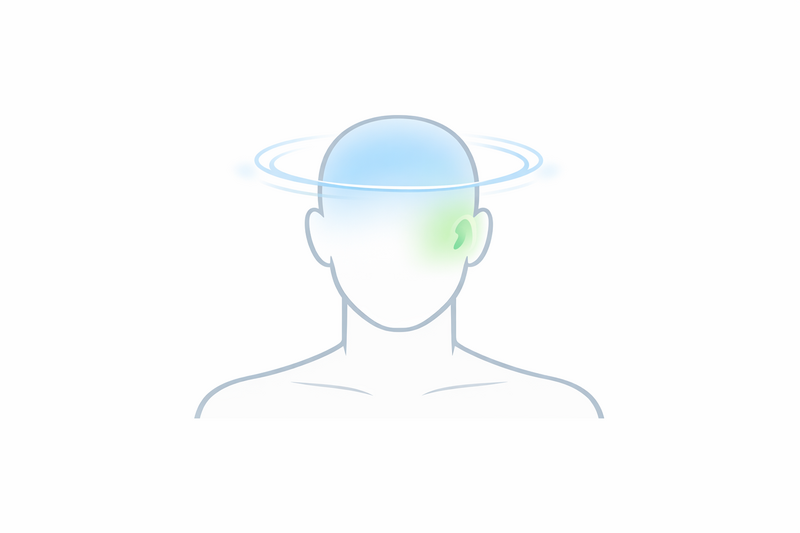
While dizziness is rarely life-threatening, it can sometimes signal a serious health problem. It’s important to know when to seek prompt medical attention and what to expect during your evaluation. Let’s start by clarifying what doctors mean when they talk about “dizziness.”
Types of dizziness
Not all dizziness feels the same. When patients use the word “dizzy,” they may be describing a range of sensations. Understanding the type of dizziness you’re experiencing is a key first step for your doctor.
- Vertigo: This is the sensation that you or your surroundings are spinning or moving, even when you are still. Vertigo often feels similar to what you might experience after spinning in a circle.
- Presyncope (lightheadedness): A feeling that you are about to faint or lose consciousness. This may be accompanied by nausea, sweating, or blurred vision.
- Disequilibrium: A sense of unsteadiness or imbalance, as if you might lose your footing or fall. It is more common in older adults.
- Non-specific dizziness: Some people describe general feelings of being “woozy,” “off,” or “not quite right” that don’t fit neatly into the categories above.
When you speak with your doctor, try to describe your symptoms as clearly as possible. For example, is the room spinning, or do you feel like you might faint? Do you feel off balance when walking? These details can help guide the diagnostic process.
Likely causes
Dizziness can result from a wide range of health issues. Some are minor and easily treated, while others may need more urgent attention. The causes are often grouped according to the type of dizziness you experience.
Causes of vertigo
- Benign paroxysmal positional vertigo (BPPV): The most common cause of vertigo, triggered by certain head movements. It is usually brief and intense.
- Vestibular neuritis or labyrinthitis: Inflammation of the inner ear, often after a viral infection, causing sudden, severe vertigo that may last hours or days.
- Meniere’s disease: A rare condition involving fluid buildup in the inner ear, leading to episodes of vertigo, hearing loss, and ringing in the ear.
- Migraine-associated vertigo: Some people experience vertigo along with a migraine headache.
Causes of presyncope (lightheadedness)
- Low blood pressure (hypotension): This can occur when standing up quickly (orthostatic hypotension), during dehydration, or due to some medications.
- Heart rhythm problems (arrhythmias): Irregular heartbeats can reduce blood flow to the brain, causing a faint feeling.
- Vasovagal episodes: Triggered by pain, emotional distress, or standing for a long time, leading to a sudden drop in heart rate and blood pressure.
Causes of disequilibrium (imbalance)
- Peripheral neuropathy: Nerve damage, often due to diabetes, which affects sensation in the feet.
- Parkinson’s disease or other neurological conditions: Disorders affecting movement and balance.
- Musculoskeletal problems: Weakness, joint problems, or vision impairment can affect balance, especially in older adults.
Other and non-specific causes
- Anxiety and stress: Emotional distress can sometimes present as dizziness or lightheadedness.
- Medications: Many medicines, including those for blood pressure, epilepsy, depression, and allergies, can have dizziness as a side effect.
- Low blood sugar (hypoglycaemia): Most often in people with diabetes, but can also occur in others.
- Infections or dehydration: Especially if accompanied by fever, vomiting, or diarrhoea.
This is not a full list, but covers the most common reasons. Your personal risk factors and medical history will help your doctor focus on the most likely causes for you.
Initial evaluation steps
When you visit a healthcare professional with dizziness, they will start by gathering as much information as possible. The goal is to identify any urgent or serious causes and then narrow down the diagnosis further.
Detailed history-taking
- Symptom description: Exactly what you feel, when it started, how often it occurs, and what triggers or relieves it.
- Associated symptoms: Are there headaches, hearing changes, chest pain, palpitations, weakness, or visual disturbances?
- Medical history: Existing conditions (such as heart disease, diabetes, or anxiety), recent illnesses, head injuries, or new medications.
- Social and lifestyle factors: Alcohol or drug use, recent travel, occupational risks, or stressful events.
Physical examination
- Vital signs: Measuring blood pressure (including when standing), heart rate, temperature, and oxygen levels.
- Ear, nose, and throat exam: Checking for signs of infection or fluid in the ear.
- Neurological examination: Assessing balance, coordination, strength, sensation, and eye movements.
- Heart and lung examination: Listening for irregular rhythms, murmurs, or signs of heart failure.
Basic investigations
- Blood tests: May check for anaemia, infection, blood sugar, or dehydration.
- Electrocardiogram (ECG): To look for irregular heart rhythms or other cardiac issues.
- Hearing tests or balance assessments: If vertigo is the primary complaint.
In many cases, these initial steps help a doctor make a working diagnosis or at least rule out dangerous causes. If further investigation is needed, you may be referred to a specialist.
Specialist referral logic
Not every case of dizziness requires a specialist. However, certain findings or risk factors may prompt your doctor to refer you for further evaluation. Here’s how doctors decide who may benefit from seeing a specialist:
When to consider emergency care
- Sudden, severe dizziness with chest pain, shortness of breath, or palpitations
- Loss of consciousness or fainting
- Weakness, numbness, slurred speech, or difficulty walking (possible stroke)
- Sudden hearing loss or severe headache
If any of these occur, seek medical help immediately.
Referral to an Ear, Nose, and Throat (ENT) specialist or audiologist
- Persistent vertigo, especially with hearing loss, ringing in the ears, or ear fullness
- Suspected Meniere’s disease or chronic balance problems
Referral to a cardiologist
- Evidence of arrhythmias, structural heart problems, or unexplained fainting
Referral to a neurologist
- Neurological symptoms (weakness, numbness, double vision, speech difficulties)
- Suspected migraine-associated vertigo, Parkinson’s disease, or other complex neurological disorders
Other referrals
- Endocrinologist for suspected hormonal or metabolic causes
- Geriatrician for older adults with multiple risk factors or falls
- Psychologist or psychiatrist if anxiety or mental health issues are suspected contributors
Your doctor will guide you through the referral process if needed, based on your specific symptoms and findings.
If your doctor suspects an issue with your heart rhythm during the evaluation for dizziness, you may be offered an ECG heart rhythm test to better understand possible cardiac causes of your symptoms.
In summary, dizziness is a symptom with many possible causes, ranging from minor and temporary to more serious health concerns. By carefully describing your symptoms and following your doctor’s evaluation, most causes can be identified and managed effectively. If you ever experience sudden, severe, or concerning symptoms along with dizziness, do not hesitate to seek urgent medical care. Otherwise, working closely with your healthcare provider is the best way to get to the root of the problem and find relief.


