
Sleep is essential for good health, but many people struggle to get the rest they need. Occasional sleepless nights are normal, but persistent sleep problems can affect your mood, energy, and overall well-being. Understanding the signs of serious sleep issues and knowing when to seek medical advice can help you take control of your sleep health. This article explains common sleep problems, warning signs that require medical attention, what happens during a sleep assessment, and how doctors evaluate sleep disorders.
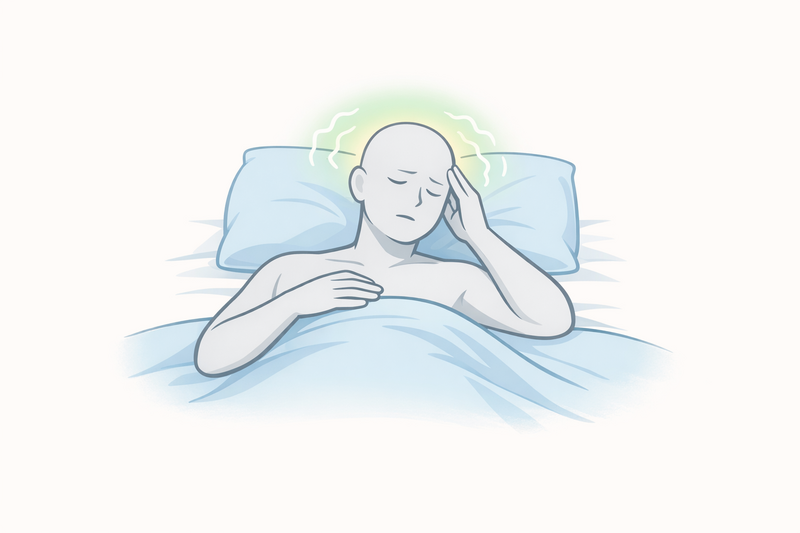
Common sleep issues
Most people experience sleep difficulties from time to time, but certain problems are more frequent and may signal an underlying disorder. Recognising these common sleep issues can help you decide when it’s time to speak to a healthcare professional.
- Insomnia: Difficulty falling asleep, staying asleep, or waking up too early and not being able to get back to sleep. Insomnia can be short-term (acute) or last for months (chronic).
- Sleep apnoea: A condition where breathing repeatedly stops and starts during sleep, often causing loud snoring and daytime tiredness.
- Restless legs syndrome (RLS): An uncontrollable urge to move the legs, usually due to uncomfortable sensations, especially at night.
- Periodic limb movement disorder: Involuntary movements of the legs or arms during sleep, which can disrupt rest.
- Parasomnias: Unusual behaviours during sleep such as sleepwalking, night terrors, or talking during sleep.
- Circadian rhythm disorders: Problems with the timing of sleep, such as delayed sleep phase (going to bed and waking up very late) or shift work disorder.
- Excessive daytime sleepiness: Feeling very tired during the day, even after a full night’s sleep, which may point to an underlying sleep disorder.
While occasional sleep disruption is common, ongoing problems can lead to fatigue, mood changes, trouble concentrating, and increased risk of accidents and health issues.
Red flags
Some symptoms suggest that a sleep problem may be more serious and require prompt medical attention. If you notice any of the following signs, it’s a good idea to consult your doctor:
- Loud, persistent snoring: Especially if it’s accompanied by choking, gasping, or pauses in breathing.
- Daytime sleepiness: Feeling excessively tired, falling asleep during the day, or struggling to stay awake at work or when driving.
- Breathing difficulties at night: Waking up short of breath or with a sensation of choking.
- Frequent awakenings: Regularly waking up during the night, especially if you can’t fall back asleep easily.
- Unusual movements or behaviours: Such as sleepwalking, night terrors, or acting out dreams.
- Restless sensations: An urge to move your legs or uncomfortable feelings that disrupt your sleep.
- Changes in mood, memory, or concentration: Persistent sleep problems can affect your mental functioning.
- Sleep problems in children: Persistent snoring, difficulties breathing during sleep, or unusual night-time behaviours in children should be evaluated by a doctor.
If your sleep problems are interfering with your daily life, putting your safety at risk, or persist for more than a few weeks, it is important to seek advice from a healthcare professional.
Diagnostic steps
When you visit a doctor about your sleep problems, they will take several steps to understand what’s happening. The goal is to identify the cause of your symptoms and decide whether further evaluation or treatment is needed.
- Medical history: Your doctor will ask about your sleep patterns, bedtime routines, and how your sleep problems started. They may also ask about your work schedule, lifestyle, and any recent stress or changes in your life.
- Sleep diary: Keeping a record of your sleep and wake times, naps, and how you feel during the day can help your doctor see patterns or triggers.
- Questionnaires: You may be asked to complete forms about your sleep habits and any symptoms, such as the Epworth Sleepiness Scale or Insomnia Severity Index.
- Partner or family input: Sometimes, input from a partner or family member is helpful, especially if they have noticed snoring, breathing pauses, or unusual behaviours during your sleep.
- Physical examination: Your doctor may check your weight, blood pressure, and examine your neck, throat, and airway for signs of sleep apnoea or other conditions.
- Review of medications and health conditions: Some medicines and medical problems (like depression, anxiety, asthma, or pain conditions) can affect sleep.
Based on these initial steps, your doctor will decide if further tests are needed or if your sleep issues can be managed with lifestyle changes, sleep hygiene advice, or other interventions.
How sleep disorders are evaluated
If your symptoms suggest a specific sleep disorder, or if initial treatment does not help, your doctor may refer you for further evaluation. This can include specialist consultations or overnight sleep studies. Here is what you can expect:
- Polysomnography (sleep study): This is the most comprehensive test for diagnosing sleep disorders. It usually takes place overnight in a sleep clinic and monitors your brain activity, breathing, heart rate, oxygen levels, eye movements, and muscle activity while you sleep. It is especially useful for diagnosing sleep apnoea, narcolepsy, and parasomnias.
- Home sleep apnoea testing: For some people with suspected obstructive sleep apnoea, a simplified test can be done at home. It monitors breathing, oxygen levels, and heart rate while you sleep.
- Actigraphy: This involves wearing a wrist device (similar to a fitness tracker) that measures movement and can help assess sleep patterns over several days or weeks, especially for circadian rhythm disorders.
- Multiple sleep latency test (MSLT): Used mainly to assess excessive daytime sleepiness and diagnose narcolepsy, this test measures how quickly you fall asleep in a quiet environment during the day and how often you enter REM (dream) sleep.
- Other laboratory tests: Sometimes, blood tests are done to check for thyroid problems, iron deficiency, or other health conditions that could affect sleep.
Sleep specialists analyse the results of these tests to identify patterns and problems in your sleep. Based on these findings, they can recommend targeted treatments such as continuous positive airway pressure (CPAP) therapy, medication, cognitive behavioural therapy for insomnia (CBT-I), or lifestyle changes.
It is important to remember that not every sleep problem requires extensive testing. For many people, improving sleep habits and addressing related health issues is enough to restore good sleep. However, for those with persistent or severe symptoms, a thorough evaluation ensures that any underlying disorders are properly identified and managed.
If you often feel tired even after a full night’s sleep, you might find it helpful to read about the differences between chronic fatigue caused by lifestyle factors and medical conditions in this detailed guide to chronic fatigue causes.
In summary: Sleep problems are common, but you do not have to suffer in silence. If you notice persistent issues, red flags, or changes in your daily functioning, consult a healthcare professional. Early recognition and appropriate evaluation can help you get the restful sleep you need for a healthier, happier life.


