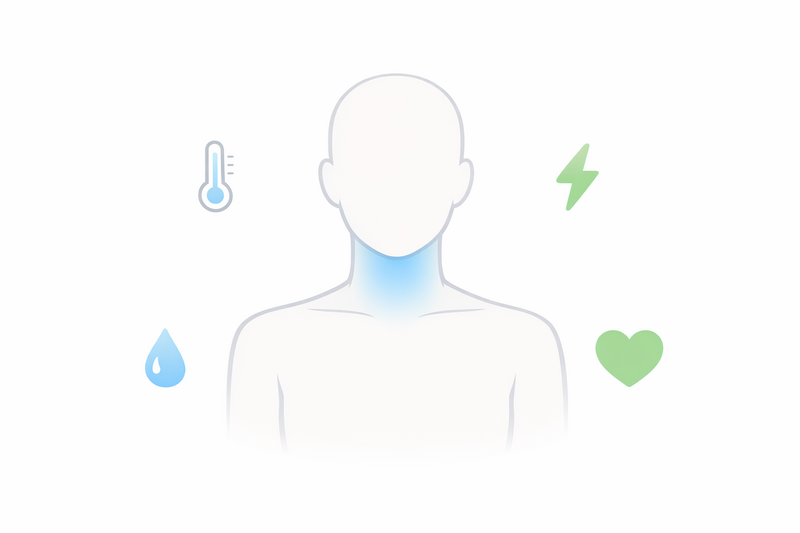
Many people experience symptoms like tiredness, weight changes, or mood swings without realising these could be signs of a thyroid disorder. The thyroid, a small butterfly-shaped gland in your neck, plays a vital role in controlling your body’s metabolism and energy levels. When the thyroid is not working properly, it can affect many aspects of your health. Recognising the signs of a thyroid imbalance and knowing when to seek testing is an important step towards better health and wellbeing.
This article will help you understand the symptoms that may suggest a thyroid problem, who should consider getting tested, what the testing process involves, and what to expect if you are diagnosed with a thyroid disorder.
Signs of thyroid imbalance
Thyroid imbalances can occur when the gland produces too much hormone (hyperthyroidism) or too little (hypothyroidism). The symptoms often develop slowly and may be mistaken for other health issues or even just “getting older.” Common signs to watch for include:
- Unexplained weight changes: Sudden weight gain may be linked to an underactive thyroid, while unexpected weight loss can be a sign of an overactive thyroid.
- Fatigue or low energy: Feeling unusually tired, even after a good night’s sleep, can be a key indicator.
- Changes in heart rate: A rapid or irregular heartbeat may suggest hyperthyroidism, while a slower-than-normal pulse may point to hypothyroidism.
- Temperature sensitivity: Feeling unusually cold may be due to hypothyroidism, while feeling hot and sweating excessively can signal hyperthyroidism.
- Hair and skin changes: Dry skin, thinning hair, or hair loss (including the outer edges of the eyebrows) are often seen with thyroid problems.
- Mood changes: Depression, anxiety, or irritability can be linked to thyroid hormone levels.
- Digestive issues: Constipation is more common with hypothyroidism, while diarrhoea or frequent bowel movements can occur with hyperthyroidism.
- Menstrual irregularities: Heavier, lighter, or irregular periods can be a sign of thyroid imbalance in women.
- Neck swelling or discomfort: A visible swelling at the base of the neck (goitre) may indicate an enlarged thyroid.
It’s important to note that these symptoms can have many causes and do not always mean you have a thyroid disorder. However, if several of these signs are present or you are concerned about changes in your health, it may be time to discuss testing with your doctor.
Who should get tested
Thyroid disorders are common and can affect people of all ages, though some groups are at higher risk. Testing is generally recommended if you:
- Have several of the symptoms described above
- Are a woman over the age of 60
- Have a family history of thyroid disease or autoimmune conditions
- Are pregnant, planning a pregnancy, or recently had a baby
- Have a history of autoimmune diseases (such as type 1 diabetes or coeliac disease)
- Have previously had treatment for thyroid conditions or received radiation therapy to the neck or head
- Take medications that can affect thyroid function, such as lithium or amiodarone
Routine screening is not always necessary for everyone, but certain life stages (such as pregnancy or menopause) or the presence of risk factors may prompt your doctor to recommend testing even if you have no obvious symptoms.
In children and teenagers, symptoms like poor growth, delayed puberty, or learning difficulties may also prompt thyroid testing. If you are unsure whether you should be tested, your GP or healthcare provider can advise you based on your personal and family health history.
Typical diagnostic process
If your doctor suspects a thyroid problem, the diagnostic process usually begins with a discussion of your symptoms and a physical examination. They may check your neck for any swelling and ask about your medical and family history. The next steps typically include:
Blood tests
The most common way to assess thyroid function is through blood tests. These usually measure levels of:
- Thyroid-stimulating hormone (TSH): This is produced by the pituitary gland and signals the thyroid to make hormones. High TSH often indicates an underactive thyroid, while low TSH may suggest an overactive thyroid.
- Thyroxine (T4) and triiodothyronine (T3): These are the main hormones produced by the thyroid. Their levels help clarify the type and severity of the thyroid disorder.
- Thyroid antibodies: Sometimes, the immune system attacks the thyroid, causing autoimmune thyroid disease. Testing for antibodies (such as anti-TPO or anti-thyroglobulin) can help confirm this.
Imaging
If a physical lump or swelling is found, or if your blood test results are unclear, your doctor may recommend an ultrasound scan of the thyroid. This is a painless test that uses sound waves to create an image of the gland and can help identify nodules, cysts, or other abnormalities.
In rare cases, other imaging (like a thyroid scan using a small amount of radioactive iodine) may be suggested to assess how the gland is functioning or to investigate suspicious lumps.
Other possible tests
If there is a concern about thyroid cancer or if a thyroid nodule is found, a fine-needle aspiration biopsy may be performed. This involves taking a small sample of tissue from the thyroid for analysis.
Most tests can be done as outpatient procedures, and results are usually available within a few days. Your doctor will explain what the results mean and what the next steps are if a thyroid disorder is confirmed.
Next steps after diagnosis
Being diagnosed with a thyroid disorder can be worrying, but most conditions are manageable with the right treatment and follow-up. The next steps will depend on the specific diagnosis:
- Hypothyroidism (underactive thyroid): This is usually treated with daily thyroid hormone replacement tablets (levothyroxine). Regular blood tests help ensure you are on the correct dose.
- Hyperthyroidism (overactive thyroid): Treatment options may include medicines to reduce thyroid hormone production (antithyroid drugs), radioactive iodine therapy, or surgery. Your doctor will discuss the best option based on your individual situation.
- Thyroid nodules or goitre: If nodules are benign, they may just be monitored. Suspicious or cancerous nodules may require further treatment, sometimes including surgery.
- Autoimmune thyroid disease: Conditions like Hashimoto’s thyroiditis or Graves’ disease may require ongoing monitoring and treatment. Your doctor may also check for other related autoimmune conditions.
Living with a thyroid disorder
Most people with thyroid conditions can lead full and active lives once their condition is managed. This usually involves:
- Taking medication as prescribed
- Attending regular follow-up appointments and blood tests
- Informing your doctor of any new symptoms or side effects
- Adopting a healthy lifestyle, including balanced nutrition and regular exercise
It is important to let your healthcare provider know if you are planning a pregnancy, as thyroid hormone levels can affect fertility and the health of the baby. Children and teenagers with thyroid disorders also need regular monitoring to support their growth and development.
When to seek urgent care
Most thyroid disorders develop slowly and are not emergencies. However, certain symptoms require prompt medical attention, such as:
- Severe chest pain or palpitations
- Sudden swelling in the neck or difficulty breathing or swallowing
- Confusion, extreme drowsiness, or loss of consciousness
These may be signs of serious complications and should be assessed by a healthcare professional without delay.
If you are interested in learning more about what your doctor looks for during blood tests related to thyroid disorders and other conditions, you can find a detailed guide in our article on what doctors check first when reviewing blood test results.
In summary: If you have symptoms that suggest a thyroid imbalance, or if you are in a higher-risk group, talking to your doctor about testing can help identify problems early and ensure you get the right treatment. Thyroid conditions are common and manageable, and with proper care, most people can enjoy good health and quality of life. If you have concerns or questions about your thyroid, don’t hesitate to seek medical advice.


