
Iron deficiency is one of the most common nutritional problems worldwide. It can affect anyone, regardless of age or gender, and can have a significant impact on your daily life and overall health. Understanding the signs, causes, and how doctors diagnose and treat iron deficiency can help you take control of your health and know when it’s time to seek help.
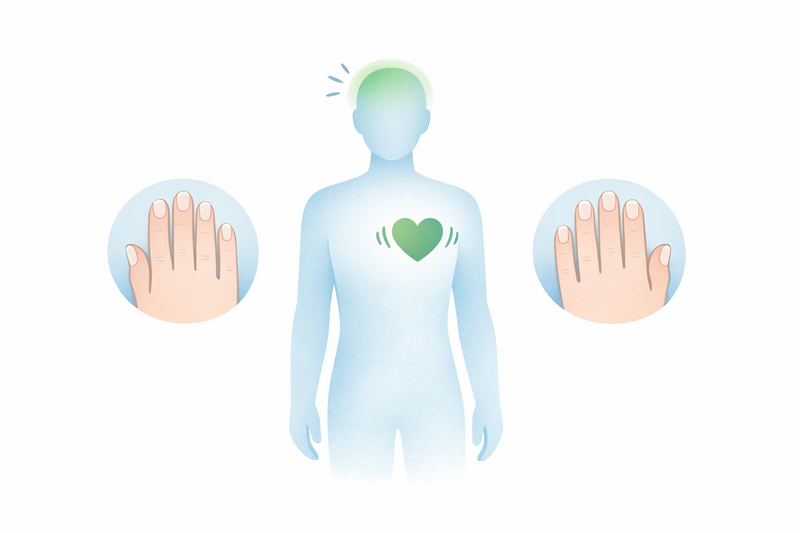
This article will walk you through the most common symptoms of iron deficiency, explain why it happens, describe the main tests used by doctors, and outline the typical treatment options available. If you have ongoing symptoms or concerns about your iron levels, always consult a healthcare professional for personalised advice.
Common symptoms
Iron deficiency often develops gradually, and its symptoms may be subtle at first. Many people do not realise they have low iron until it starts to affect their daily life. Recognising the common signs can help you seek help sooner and prevent complications.
- Tiredness and fatigue: Feeling unusually tired is one of the earliest and most common symptoms. This happens because your body needs iron to make haemoglobin, which helps carry oxygen in your blood.
- Pale skin: If your skin looks paler than usual, or if the inside of your lower eyelids are pale, this may be related to low haemoglobin levels.
- Shortness of breath: You may notice it’s harder to catch your breath during everyday activities or mild exercise.
- Rapid heartbeat: Your heart may beat faster to compensate for the reduced oxygen-carrying ability of your blood.
- Headaches and dizziness: Insufficient oxygen delivery to the brain can cause headaches or make you feel lightheaded.
- Cold hands and feet: Poor circulation due to low iron levels can leave your extremities feeling cold.
- Brittle nails and hair loss: Weak, brittle nails or increased hair shedding can be linked to iron deficiency.
- Restless legs syndrome: Some people experience uncomfortable sensations in their legs and an urge to move them, especially at night.
- Mouth and tongue changes: Cracks at the corners of the mouth, a sore or swollen tongue, or unusual cravings (such as for ice or non-food items, called pica) may occur.
Some people experience only a few symptoms, while others may notice several at once. The severity often depends on how low the iron levels have become and how quickly the deficiency has developed.
Why iron deficiency develops
Iron is an essential mineral your body needs to produce healthy red blood cells. There are several reasons why a person might develop iron deficiency, and sometimes more than one cause is involved. Understanding these can help you and your doctor identify the source and prevent recurrence.
- Blood loss: This is the most common cause, especially in adults. Heavy periods, gastrointestinal bleeding from ulcers or other conditions, surgeries, injuries, or frequent blood donation can all result in iron loss.
- Inadequate dietary intake: Not eating enough iron-rich foods can lead to deficiency. This risk may be higher for vegetarians and vegans, as plant-based sources of iron are less easily absorbed by the body compared to those from animal sources.
- Poor absorption: Some medical conditions, such as coeliac disease, inflammatory bowel disease (e.g., Crohn’s or ulcerative colitis), or previous gastrointestinal surgery, can reduce your body’s ability to absorb iron from food.
- Increased need: Certain life stages increase iron requirements, such as pregnancy, breastfeeding, periods of rapid growth (infancy, adolescence), or intense physical training.
Less commonly, chronic illnesses, infections, or inherited conditions affecting red blood cell production can also play a role. Identifying the underlying cause is crucial, as simply taking supplements may not address the root problem.
Blood tests doctors use
If your doctor suspects iron deficiency, they will usually recommend a series of blood tests to confirm the diagnosis and help guide treatment. These tests measure different aspects of your blood and iron stores.
- Full blood count (FBC or CBC): This basic test checks the levels of different blood cells. It can show if you have anaemia (low red blood cells or haemoglobin).
- Serum ferritin: Ferritin is a protein that stores iron in your body. Low ferritin is a strong indicator of iron deficiency, often before anaemia sets in.
- Serum iron: This measures the amount of iron in your blood, but levels can vary throughout the day.
- Transferrin and total iron-binding capacity (TIBC): Transferrin is a protein that carries iron in the bloodstream. TIBC tests help assess how much of this protein is available, which can give clues about your iron status.
- Transferrin saturation: This is calculated from your serum iron and TIBC results, showing how much iron is bound and available for use.
Depending on your symptoms, history, and initial results, further tests might be recommended to look for sources of blood loss (like endoscopy for gastrointestinal problems) or to rule out other causes of anaemia.
It’s important to note that other health conditions can affect these test results. For example, inflammation or infection can raise ferritin levels, masking an underlying iron deficiency. Your doctor will interpret your results in the context of your overall health.
Treatment pathways
Treating iron deficiency involves not only correcting low iron levels but also addressing the underlying cause to prevent it from returning. Your healthcare provider will recommend an approach based on your individual situation.
- Dietary changes: Increasing your intake of iron-rich foods is often the first step. Good sources include red meat, poultry, fish, eggs, leafy green vegetables, legumes, and fortified cereals. Vitamin C helps your body absorb iron, so including fruits and vegetables like oranges, peppers, or tomatoes can be beneficial.
- Oral iron supplements: For many people, tablets or liquid supplements are prescribed. These are usually taken for several months, even after symptoms improve, to replenish your body’s iron stores. Side effects like constipation or stomach upset are common, but your doctor can advise on ways to reduce them.
- Intravenous (IV) iron: In some cases, especially if oral supplements are not effective, not tolerated, or if deficiency is severe, iron may be given directly into a vein under medical supervision.
- Treating underlying causes: If your iron deficiency is due to blood loss (such as heavy periods or gastrointestinal problems), treating these issues is essential. This may involve additional medications, procedures, or referral to a specialist.
Regular follow-up appointments and repeat blood tests are important to monitor your progress and ensure your iron levels return to normal. Never start iron supplements without medical advice, as excess iron can be harmful, and self-treatment may delay diagnosis of a more serious underlying problem.
In rare cases, iron deficiency is part of a more complex health condition, and your doctor may refer you for further investigations or to a specialist.
When to see a doctor:
- If you experience ongoing fatigue, breathlessness, or any other symptoms described above
- If you notice blood in your stool or urine, or have very heavy menstrual periods
- If you have a history of gastrointestinal disease or a family history of blood disorders
- If you are pregnant or planning pregnancy and unsure about your iron status
For more details on what your blood tests may reveal and how doctors interpret these results, you can read our guide on which blood test results doctors check first when investigating health concerns.
Early diagnosis and treatment can help you feel better sooner and prevent complications. Iron deficiency is common, and with the right care, most people recover fully and return to their normal activities.
If you are concerned about your symptoms or have questions about iron deficiency, speak to your healthcare provider. They can guide you on the best next steps for your individual needs.


