
High blood pressure, also known as hypertension, is a common but often misunderstood condition. Many people live with high blood pressure for years without realising it, as the early symptoms are subtle or even non-existent. Yet, untreated hypertension can quietly damage your body and increase the risk of heart disease, stroke, and other serious health problems.
This article will help you understand what high blood pressure might feel like, why symptoms are so easily overlooked, when you should seek medical advice, and what typically happens next if your doctor suspects you have hypertension.
What high blood pressure feels like
High blood pressure is sometimes called the “silent killer” because it rarely causes obvious symptoms, especially in the early stages. Many people feel perfectly well, even when their blood pressure is higher than normal. However, some individuals do notice subtle changes or nonspecific symptoms that may be connected to hypertension.
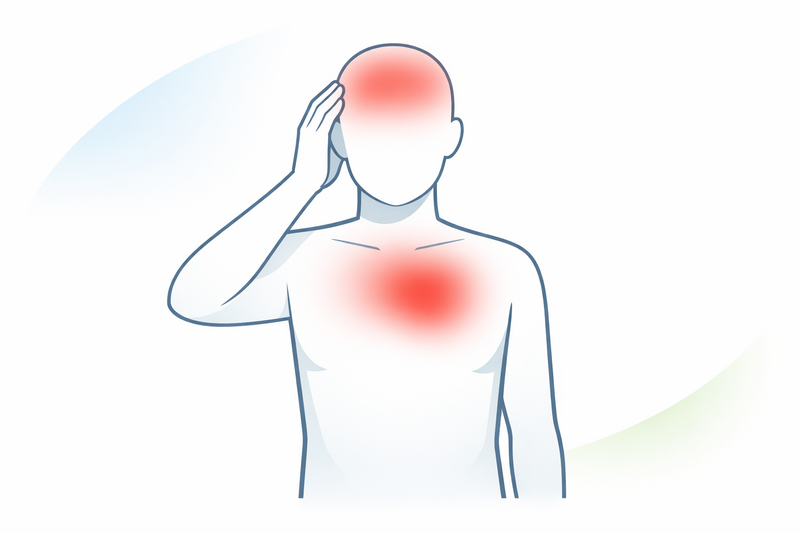
- Headaches: These are usually described as dull and persistent, often felt at the back of the head. Headaches linked to high blood pressure are more likely to occur in severe or uncontrolled cases.
- Dizziness or light-headedness: Occasional spells of dizziness may be present, but they are not specific to high blood pressure and can have many other causes.
- Blurred or double vision: Extremely high blood pressure, sometimes referred to as a “hypertensive crisis,” can sometimes affect your vision.
- Nosebleeds: Although not common, frequent or unexplained nosebleeds can occasionally be seen in people with severely elevated blood pressure.
- Shortness of breath: Some people notice mild breathlessness during daily activities, but this is not always present and may be caused by other health problems.
- Fatigue or confusion: Severe or long-standing high blood pressure may lead to feeling unusually tired, confused, or less alert.
It is important to remember that these symptoms are not unique to high blood pressure and can result from many other conditions. Most people with hypertension experience no symptoms at all, especially at first. This is why routine blood pressure checks are so important.
Why symptoms are often missed
There are several reasons why high blood pressure often goes unnoticed until it causes more serious health issues:
- Gradual onset: Blood pressure usually rises slowly over many years. Your body adapts to this gradual increase, and you may not feel any different as the changes happen.
- Lack of specific symptoms: The early signs of high blood pressure are vague, nonspecific, or entirely absent. Headaches, fatigue, and dizziness can be caused by many other common conditions, so they are rarely linked with blood pressure by patients themselves.
- Everyday stress: Many people attribute mild symptoms to stress, a busy lifestyle, or lack of sleep rather than considering an underlying health condition.
- No routine checks: Unless you have regular blood pressure measurements at the doctor’s office or pharmacy, hypertension can go undetected for years.
Because high blood pressure does not usually make you feel unwell, it can easily be overlooked until it leads to complications such as heart disease, stroke, kidney damage, or vision problems. This is why hypertension is sometimes discovered only after a health scare or routine screening.
When to see a doctor
Even if you feel healthy, it is important to know your blood pressure numbers. Early detection and management of high blood pressure can help prevent serious complications. You should consider seeing a doctor if:
- You have not had your blood pressure checked in the past year, especially if you are over 40 or have risk factors such as overweight, diabetes, a family history of hypertension, or a sedentary lifestyle.
- You experience symptoms such as frequent headaches, unexplained dizziness, blurred vision, or nosebleeds, even if they seem mild.
- You are pregnant or planning to become pregnant, as high blood pressure can cause complications for both mother and baby.
- You have been told you have “borderline” or “high-normal” blood pressure in the past.
In rare cases, a sudden and severe increase in blood pressure can lead to a medical emergency called a hypertensive crisis. Seek immediate medical attention if you experience:
- Severe headache with confusion or vision changes
- Chest pain or shortness of breath
- Weakness, numbness, or difficulty speaking
These could be signs of a stroke, heart attack, or other serious complications. Do not delay in seeking help if you notice these warning signs.
Typical next diagnostic steps
If your doctor suspects you have high blood pressure or your routine check reveals elevated readings, they will usually follow a step-by-step approach to confirm the diagnosis and assess your overall health. You can expect the following:
1. Multiple blood pressure measurements
Blood pressure can fluctuate throughout the day and can be temporarily raised by stress, activity, or anxiety (often called “white coat effect”). Your doctor will likely:
- Take several readings at different times, possibly on different days
- Ask you to monitor your blood pressure at home with an approved device
- Consider a 24-hour ambulatory blood pressure monitor for continuous readings
2. Medical history and risk assessment
Your doctor will ask about:
- Your personal and family medical history
- Lifestyle factors such as diet, exercise, smoking, and alcohol intake
- Other symptoms or health conditions you may have
3. Physical examination
A general physical exam can help identify any signs of hypertension-related damage to organs such as the heart, eyes, or kidneys.
4. Laboratory tests
Your doctor may recommend blood and urine tests to check for:
- Kidney function
- Blood sugar and cholesterol levels
- Signs of other underlying health problems
5. Additional tests if needed
Depending on your situation, your doctor might suggest:
- An electrocardiogram (ECG) to check your heart’s electrical activity
- An echocardiogram or ultrasound of the heart
- Eye examination to look for changes in the blood vessels at the back of your eyes
These tests help your doctor get a clearer picture of your health and guide decisions about treatment and monitoring.
If you are interested in learning more about how your heart’s rhythm and function are assessed, our detailed guide to the ECG heart rhythm test and what it can show about your cardiovascular health may be helpful.
In summary, high blood pressure often develops without noticeable symptoms, but it can have serious long-term consequences if left untreated. Regular blood pressure checks, especially if you have risk factors, are the best way to detect hypertension early. If you do experience possible symptoms or have concerns about your health, do not hesitate to consult a healthcare professional. Early diagnosis and action can help protect your heart, brain, and overall wellbeing.


