
Annual health checkups are an important part of maintaining your wellbeing and detecting potential health problems early. These routine visits give you and your doctor the chance to discuss your overall health, address any concerns, and develop a plan to support healthy living. But what actually happens during a health checkup, and which tests are usually performed? This article explains what you can expect, how tests vary by age, and how to prepare for your next appointment.
What a routine checkup includes
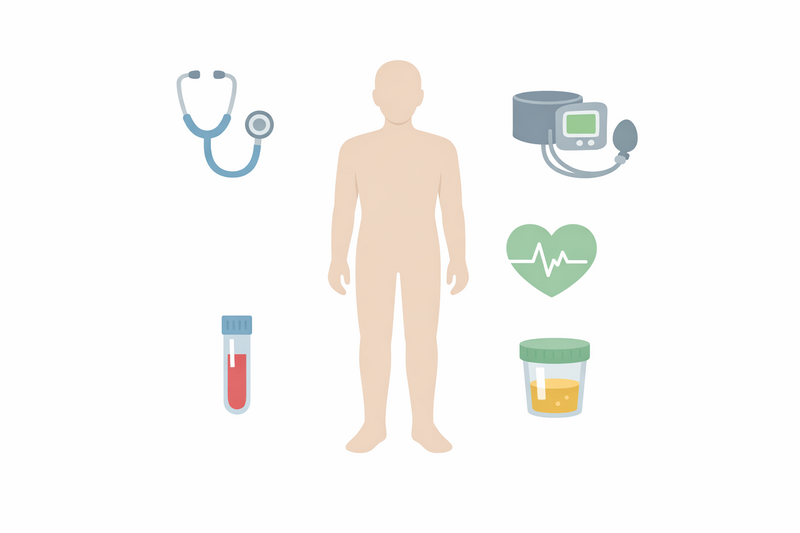
A routine health checkup is more than just a quick medical examination. It’s a comprehensive review of your physical health, lifestyle, and risk factors. The key components usually include:
- Medical history review: Your doctor will ask about your personal and family health history, current medications, allergies, and any symptoms you’ve noticed.
- Vital signs check: This includes measuring your blood pressure, heart rate, respiratory rate, and temperature.
- Physical examination: The doctor will examine your body, listening to your heart and lungs, checking your abdomen, and looking for any visible signs of health issues.
- Lifestyle assessment: You may be asked about your diet, exercise, smoking, alcohol use, stress levels, and sleep habits.
- Vaccination updates: Your vaccination status is reviewed and boosters or missed vaccines may be offered.
- Preventive counselling: Doctors often give advice on healthy habits, managing risk factors, and screening for mental health concerns.
Depending on your age, sex, and medical background, additional checks or conversations may be included. The goal is to look at your overall health, not just treat specific symptoms.
Common tests by age group
The tests included in a health checkup can vary based on your age, sex, medical history, and risk factors. Here is a general overview of what is commonly recommended:
Children and teenagers
- Height and weight measurements to track growth
- Vision and hearing screening
- Developmental and behavioral assessments
- Immunisation review and updates
- Urine tests in some cases
Adults under 40
- Blood pressure measurement
- Body mass index (BMI) calculation
- Cholesterol and blood sugar (glucose) testing, especially if you have risk factors
- Cervical screening tests (Pap tests) for women, usually from age 25
- Sexually transmitted infection (STI) screening if indicated
- Skin checks for moles or lesions
Adults 40–64
- Blood pressure, cholesterol, and blood sugar checks are often done routinely
- Mammograms for women, usually from age 50 (sometimes earlier based on guidelines or risk)
- Bowel cancer screening, often with stool tests or colonoscopy, starting at age 50
- Prostate health checks for men, especially if symptoms or risk factors are present
- Bone density screening for those at risk of osteoporosis
Adults 65 and over
- All of the above, with increased focus on cardiovascular, cancer, and bone health screenings
- Vision and hearing assessments
- Fall risk and mobility assessments
- Cognitive screening for memory and mental function
- Vaccinations such as influenza, pneumococcal, and shingles
These are general guidelines. Your doctor may adjust the tests based on your personal health, family history, and local recommendations.
What doctors prioritize
Doctors aim to tailor each checkup to the patient’s individual needs. While some tests are standard, the focus may shift depending on your personal risk profile and health concerns. Here’s what healthcare providers often prioritise:
- Early detection of chronic diseases: Conditions like high blood pressure, diabetes, and high cholesterol often have no symptoms in the early stages. Screening helps detect these problems early, when they may be easier to manage.
- Cancer screening: Screening tests for cancers such as cervical, breast, colorectal, and prostate are usually offered according to national guidelines. Early detection can make treatment more effective.
- Immunisation: Keeping up to date with vaccines is crucial for preventing illnesses like influenza, pneumonia, and shingles, especially as you get older.
- Mental health: Doctors increasingly pay attention to mental wellbeing, screening for depression, anxiety, and stress-related problems.
- Lifestyle and risk factors: Your doctor may discuss ways to support healthy habits, such as stopping smoking, improving your diet, increasing physical activity, and moderating alcohol intake.
- Family history and genetics: If you have a family history of certain diseases, your doctor may recommend earlier or more frequent screening.
The priorities may also change over time, reflecting your age, health status, and any new symptoms or concerns you raise.
How to prepare
Preparing for your annual health checkup can help you get the most out of your appointment. Here are some steps you can take:
- Review your medical history: Make a note of any changes in your health, new symptoms, recent illnesses, or hospital visits. Bring a list of current medications, supplements, and any allergies.
- Check your family history: Inform your doctor about any new diagnoses in close relatives, such as heart disease, diabetes, or cancer.
- Bring necessary documents: If you have results from previous tests, vaccination records, or letters from other doctors, bring them with you.
- Prepare questions: Write down any concerns or questions you have about your health, lifestyle, or medications. No question is too small.
- Follow any instructions: Some tests may require fasting (not eating for several hours beforehand) or avoiding certain medications. Check with your clinic ahead of time if this applies to you.
- Dress appropriately: Wear comfortable clothing that is easy to remove or roll up for examinations.
If you are particularly interested in understanding what doctors look for in your blood work during a checkup, you can read more in our guide on what doctors check first in your blood test results.
Being prepared helps your doctor provide the best possible advice and ensures you don’t forget anything important during your visit.
In summary, annual health checkups are a key part of staying healthy and preventing illness. While the tests included can vary based on your age and individual risk factors, the main aim is to detect problems early, support healthy living, and give you peace of mind. If you are due for a checkup or have questions about what to expect, don’t hesitate to contact your healthcare provider. They can guide you on which tests are right for you and help you take control of your health journey.


