
Fainting, also known medically as syncope, is a sudden, brief loss of consciousness that can be alarming both for the person experiencing it and for those nearby. While fainting is often harmless and may be triggered by common situations such as standing up too quickly or feeling overheated, it can sometimes signal a more serious underlying condition. Understanding when to be concerned and what steps to take can help ensure the best possible outcome for anyone who faints.
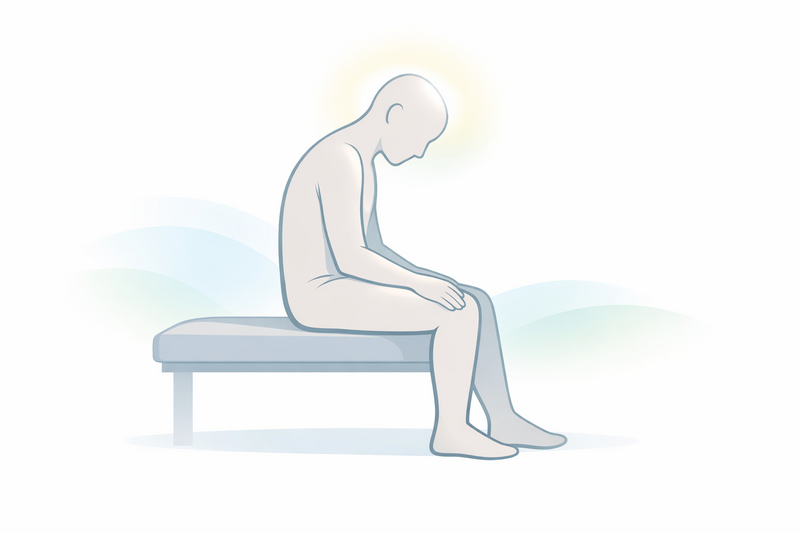
This article explains the typical causes of fainting, highlights warning signs that require urgent medical attention, and offers practical advice on what to do if someone faints. You’ll also find information on what to expect during a medical evaluation and tips on how to reduce the likelihood of fainting again in the future.
Common reasons people faint
Fainting happens when the brain briefly does not get enough blood flow, often leading to a momentary loss of consciousness. In most cases, fainting is not dangerous and can be explained by a simple cause. Some of the most common reasons include:
- Vasovagal syncope: This is the most frequent type of fainting and is usually triggered by emotional stress, fear, pain, or standing for long periods. It is caused by a sudden drop in heart rate and blood pressure.
- Orthostatic hypotension: Standing up too quickly can cause a sudden fall in blood pressure, leading to fainting. This is more common in older adults, people with certain medical conditions, or those taking specific medications.
- Dehydration or overheating: Not drinking enough fluids, especially during hot weather or exercise, can reduce blood volume and lead to fainting.
- Low blood sugar (hypoglycaemia): Skipping meals or certain medical conditions, such as diabetes, can cause blood sugar to drop, resulting in fainting.
- Heart-related causes: Sometimes, fainting is linked to abnormal heart rhythms (arrhythmias), structural heart disease, or other cardiac issues. These cases need careful attention.
- Situational syncope: Activities such as coughing, urinating, or swallowing can sometimes trigger fainting in sensitive individuals.
It’s important to remember that while most faints are harmless, sometimes they can be a sign of an underlying problem, particularly if they happen repeatedly or without an obvious trigger.
Red flags that need urgent evaluation
Although fainting is often benign, there are certain warning signs that suggest a more serious cause and require immediate medical attention. If you or someone you know experiences any of the following, seek urgent evaluation:
- Fainting during physical exertion: Losing consciousness while exercising or being physically active can be a sign of a heart problem.
- Chest pain or palpitations: If fainting is accompanied by chest discomfort, heart racing, or irregular heartbeat, a serious cardiac issue may be present.
- Fainting without warning: Sudden loss of consciousness without any feelings of dizziness or nausea beforehand can be more concerning, especially if there is injury from falling.
- Family history of sudden cardiac death: If there is a family history of unexplained sudden death, fainting should be taken seriously.
- Prolonged loss of consciousness: If the person does not regain consciousness within a minute or two, call emergency services.
- Neurological symptoms: If fainting is followed by confusion, weakness, difficulty speaking, or seizure-like activity, urgent evaluation is needed.
- Repeated episodes: Multiple fainting spells without an obvious cause should always be assessed by a doctor.
These red flags may indicate life-threatening conditions such as abnormal heart rhythms, severe dehydration, stroke, or seizures. Do not delay seeking help if any of these are present.
What to do immediately after someone faints
Witnessing someone faint can be distressing, but most people recover quickly and fully. Here are steps you can take to help:
- Check for responsiveness: Gently shake the person or call their name. If they do not wake within a minute, call emergency services immediately.
- Lay them flat: Help the person lie down on their back. Raising their legs about 30 cm (12 inches) above the heart can help restore blood flow to the brain.
- Loosen tight clothing: This can help improve circulation and make breathing easier.
- Check breathing and pulse: If the person is not breathing or has no pulse, begin CPR and call for emergency help.
- Allow time to recover: Most people regain consciousness within seconds to a minute. Encourage them to stay lying down for a few minutes before sitting up slowly.
- Offer water: If the person is fully alert, offer a glass of water. Avoid giving anything to drink if they are not completely awake.
- Monitor for injuries: Check for injuries from the fall, especially to the head. If there is any bleeding, confusion, or signs of head trauma, seek medical attention.
Do not leave the person alone until they have fully recovered. If fainting happens more than once, or if you are unsure about the cause, it is wise to seek medical advice.
What doctors typically check
If you faint, a doctor will want to find out why it happened and whether there is a risk of it happening again. The evaluation usually starts with a detailed discussion and a physical examination. Here’s what you can generally expect:
- Medical history: You will be asked about what happened before, during, and after the fainting episode. Questions may include how you felt, whether you had warning symptoms, and if you have any medical conditions or take medications.
- Physical examination: The doctor will check your blood pressure (including when standing up and lying down), pulse, and may look for signs of dehydration or anaemia.
- Electrocardiogram (ECG): This simple test records the electrical activity of your heart and can detect abnormal rhythms or signs of heart disease.
- Blood tests: These may be done to check for anaemia, blood sugar levels, or other metabolic issues.
- Other tests: Depending on the findings, you may be referred for further tests such as a heart monitor, echocardiogram (heart ultrasound), or neurological assessment.
The goal is to identify any serious underlying problem and to help prevent future episodes. In many cases, no definite cause is found, especially if the fainting was isolated and there are no risk factors.
When specialist referral is needed
If your doctor suspects a heart or neurological cause, you may be referred to a cardiologist or neurologist for further assessment. Specialist tests can include longer-term heart monitoring, tilt-table testing, or brain scans.
How to reduce the chance of fainting again
Preventing future episodes of syncope often involves identifying and avoiding triggers. Here are some practical steps that may help:
- Stay well hydrated: Drink plenty of fluids throughout the day, especially in hot weather or when exercising.
- Eat regular meals: Skipping meals can cause blood sugar to drop, increasing the risk of fainting for some people.
- Rise slowly: Take your time when standing up from sitting or lying down. Give your body a chance to adjust to the change in position.
- Avoid standing still for long periods: If you need to stand for a while, shift your weight from one foot to the other, or move your legs to encourage blood flow.
- Recognise warning signs: Many people feel dizzy, nauseous, or sweaty before fainting. If you notice these symptoms, sit or lie down immediately and raise your legs.
- Review your medications: Some medicines can contribute to low blood pressure or dehydration. Discuss any concerns with your doctor or pharmacist.
- Manage underlying conditions: If you have diabetes, heart disease, or another medical problem, keeping it well controlled can reduce your risk.
If you have experienced more than one episode of fainting, or if you are worried about your health, consult your healthcare provider for personalised advice.
It is also useful to understand related symptoms, such as episodes of heart palpitations, which can sometimes occur alongside fainting or signal an underlying heart condition. For more information on how to recognise and respond to palpitations, see our detailed guide on what palpitations are and when they might be dangerous.
Fainting can be a frightening experience, but in most cases, it is not a sign of a serious illness. By understanding the common causes, recognising when urgent medical attention is needed, and following practical steps to reduce your risk, you can take control of your health and help others do the same. If you are ever in doubt, it is always safest to seek medical advice.


